The Rising Sun
Applying the lessons from "The Rising Sun" by John Toland to your life involves reflecting on the broader themes and insights from the book and considering how they align with your personal experiences, values, and aspirations. Here are a few ways you might integrate these lessons:
-
The Dangers of Militarism: Reflect on the importance of balance and moderation in your own life. Just as unchecked militarism led to disastrous consequences for Japan, consider how unchecked impulses or decisions might affect your personal or professional life. Strive for balance and ensure that your actions align with your core values of kindness and empathy.
-
The Importance of Diplomacy: Given your direct communication style, consider how effective communication and diplomacy can prevent misunderstandings in your relationships. Whether in personal interactions or professional settings, prioritize clear and empathetic communication to foster understanding and collaboration.
-
The Impact of Strategic Decisions: Your decision-making process, which involves gathering information and relying on past experiences, aligns with the lesson of strategic planning. Continue to apply analytical rigor and adaptability in your decisions, learning from both successes and failures to improve future outcomes.
-
Human Cost of War: The book's emphasis on the human cost of war can serve as a reminder of the importance of empathy and compassion in your interactions. Your belief in kindness and understanding that everyone is fighting their own battles resonates with this lesson. Continue to approach others with empathy and support, recognizing the struggles they may face.
-
Adaptability and Resilience: Your resilience and persistence are strengths that align with the lesson of adaptability. Embrace challenges as opportunities for growth and remain open to change, using setbacks as stepping stones to personal development.
By integrating these lessons into your life, you can continue to grow and evolve while staying true to your values and aspirations. Your experiences and insights, combined with the lessons from the book, can guide you in navigating life's challenges with wisdom and compassion.
What the book covers
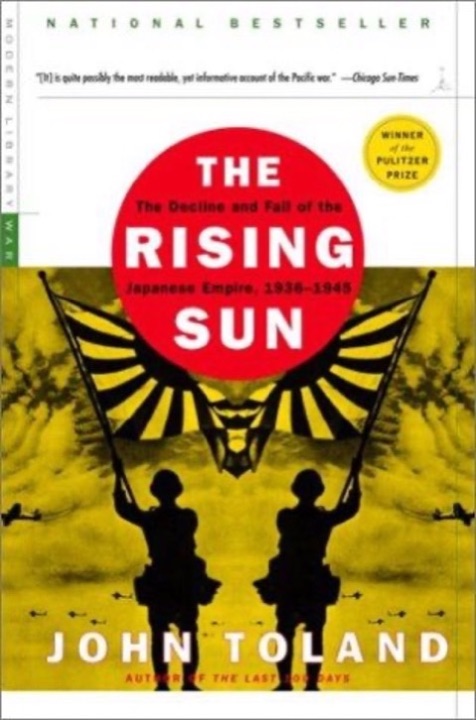
"The Rising Sun: The Decline and Fall of the Japanese Empire, 1936-1945" by John Toland is a comprehensive historical account of Japan's involvement in World War II, from its aggressive expansion in the 1930s to its eventual defeat in 1945. Toland's work is notable for its detailed narrative, which draws on a wide range of sources, including interviews with Japanese and American participants, diaries, and official documents. Here is a thorough summary of the book, along with key takeaways and lessons:
Summary:
Prelude to War:
- Expansionist Policies: The book begins by exploring Japan's expansionist policies in the 1930s, driven by a desire for resources and influenced by militaristic and nationalistic ideologies. The invasion of Manchuria in 1931 and the subsequent establishment of a puppet state marked the beginning of Japan's aggressive territorial ambitions.
- Political Climate: Toland delves into the political climate in Japan, highlighting the influence of the military on government decisions and the marginalization of more moderate voices. The assassination of political leaders and the rise of militarism set the stage for Japan's further expansion.
The Road to Pearl Harbor:
- Strategic Calculations: Japan's decision to attack Pearl Harbor in 1941 is portrayed as a calculated risk, driven by the belief that a swift and decisive blow would cripple American naval power and secure Japan's dominance in the Pacific.
- Diplomatic Failures: The book examines the diplomatic failures and miscommunications between Japan and the United States, which contributed to the outbreak of war.
The War in the Pacific:
- Early Successes: Toland describes Japan's early successes in the Pacific, including the rapid conquest of territories such as the Philippines, Malaya, and the Dutch East Indies. These victories were initially seen as vindication of Japan's strategy.
- Turning Points: The Battle of Midway in 1942 is identified as a crucial turning point, where the United States gained the upper hand. The book details the strategic mistakes and intelligence failures that led to Japan's defeat in this pivotal battle.
The Decline:
- War of Attrition: As the war progressed, Japan faced a war of attrition that it was ill-prepared to sustain. The book highlights the impact of American industrial and military superiority, as well as the relentless bombing campaigns that devastated Japanese cities.
- Internal Struggles: Toland explores the internal struggles within Japan, including the growing dissent among military and political leaders and the impact of the war on Japanese society.
The End of the Empire:
- Atomic Bombings: The book provides a detailed account of the atomic bombings of Hiroshima and Nagasaki, examining the decision-making process behind their use and their devastating impact on Japan.
- Surrender: Japan's eventual surrender is portrayed as a complex decision influenced by multiple factors, including the Soviet Union's entry into the war and the realization of inevitable defeat.
Key Takeaways and Lessons:
-
The Dangers of Militarism: Toland's narrative underscores the dangers of unchecked militarism and the consequences of allowing military leaders to dominate national policy. The book serves as a cautionary tale about the risks of aggressive expansionism and the pursuit of war as a means of achieving national goals.
-
The Importance of Diplomacy: The breakdown of diplomatic relations between Japan and the United States highlights the importance of effective communication and negotiation in preventing conflict. Misunderstandings and failures in diplomacy can have catastrophic consequences.
-
The Impact of Strategic Decisions: The book illustrates how strategic decisions, both successful and flawed, can significantly alter the course of a conflict. The Battle of Midway, for example, demonstrates the impact of intelligence and strategic planning on the outcome of war.
-
Human Cost of War: Toland emphasizes the human cost of war, detailing the suffering and devastation experienced by both military personnel and civilians. The narrative serves as a reminder of the profound and lasting impact of war on individuals and societies.
-
Adaptability and Resilience: The United States' ability to adapt and respond to early setbacks in the Pacific War is a testament to the importance of resilience and flexibility in the face of adversity.
Overall, "The Rising Sun" provides a detailed and nuanced account of Japan's role in World War II, offering valuable insights into the complexities of war and the factors that contribute to both victory and defeat.