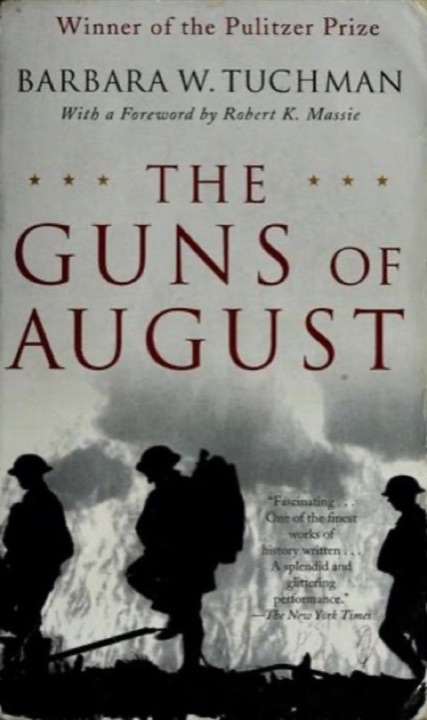
The Guns of August
Applying the lessons from "The Guns of August" by Barbara Tuchman to your life involves drawing parallels between the historical events and your personal experiences, values, and aspirations. Here are some ways you might do this:
-
Complexity of Life: Just as Tuchman illustrates the complexity of war, recognize the complexity in your own life. Embrace the multifaceted nature of your experiences, relationships, and decisions. Your diverse interests and experiences, from flying to emergency medicine, reflect this complexity. Continue to approach life with an open mind and a willingness to adapt to changing circumstances.
-
Importance of Communication: Miscommunication played a significant role in the escalation of World War I. In your life, prioritize clear and effective communication, whether in personal relationships, professional settings, or advocacy work. Your direct and humorous communication style can be a strength, but ensure it fosters understanding and connection.
-
Adaptability in Planning: The dangers of rigid planning, as seen with the Schlieffen Plan, highlight the need for flexibility. While you have a structured daily routine, remain open to adjusting your plans when necessary. Your ability to make quick decisions and adapt in emergency situations is a testament to this adaptability.
-
Leadership and Decision-Making: Tuchman's analysis of leadership during the war underscores the impact of decisions on outcomes. In your roles as a physician, parent, and advocate, continue to lead with empathy, resilience, and humor. Your approach to decision-making, involving gathering information and seeking input, aligns with effective leadership.
-
Human Cost and Empathy: The human cost of war serves as a reminder of the importance of empathy and kindness, values you hold dear. In your advocacy work and personal interactions, continue to prioritize understanding and compassion, recognizing the battles others may be facing.
-
Learning from Failure: The book highlights the consequences of strategic blunders. Reflect on your own experiences with failure and how they have contributed to your growth. Your resilience and persistence are strengths that have helped you navigate challenges and emerge stronger.
-
Striving for Peace and Equality: The tragic consequences of war emphasize the importance of striving for peace and equality. Your passion for social issues and involvement in activism align with this lesson. Continue to advocate for equality and leverage your influence to make a positive impact.
By integrating these lessons into your life, you can continue to grow as an individual and contribute positively to the world around you. Your values of kindness, empathy, and resilience will guide you in applying these insights effectively.
What the book covers
"The Guns of August" by Barbara Tuchman is a historical narrative that meticulously chronicles the events leading up to and the first month of World War I. Published in 1962, the book is renowned for its vivid storytelling and detailed analysis of the political and military maneuvers that set the stage for one of the deadliest conflicts in human history.
Summary:
Prelude to War:
Tuchman begins by setting the scene in Europe in the early 20th century, highlighting the intricate web of alliances and rivalries among the major powers: Germany, Austria-Hungary, France, Russia, and Great Britain. She delves into the political and military strategies, particularly the Schlieffen Plan, which was Germany's strategy for a quick victory by invading France through Belgium.
The Outbreak of War:
The assassination of Archduke Franz Ferdinand of Austria in June 1914 serves as the catalyst for the war. Tuchman details the diplomatic failures and miscommunications that followed, leading to the mobilization of armies and the declaration of war. She emphasizes the role of national pride, militarism, and the belief in quick victories that drove the nations into conflict.
The First Battles:
The narrative then shifts to the battlefield, describing the initial engagements, including the German invasion of Belgium and the Battle of the Frontiers. Tuchman provides a detailed account of the Battle of Mons, the Battle of the Marne, and the subsequent "Race to the Sea," where both sides attempted to outflank each other, leading to the establishment of trench warfare.
Leadership and Decision-Making:
A significant portion of the book is dedicated to the key figures of the war, such as Kaiser Wilhelm II, General Helmuth von Moltke, and French General Joseph Joffre. Tuchman examines their decisions, highlighting both their strategic insights and blunders. She portrays how leadership, or the lack thereof, influenced the course of the war.
Key Takeaways and Lessons:
-
The Complexity of War: Tuchman illustrates the complexity of war, where a multitude of factors, including political, social, and military elements, interact in unpredictable ways. The book underscores the difficulty of controlling and predicting the outcomes of such a vast conflict.
-
The Role of Miscommunication: A recurring theme is the impact of miscommunication and misunderstanding among the European powers. Diplomatic failures and the inability to accurately assess intentions and capabilities contributed significantly to the escalation of the conflict.
-
The Dangers of Rigid Planning: The book highlights the dangers of rigid military planning, as exemplified by the Schlieffen Plan. The inability to adapt to changing circumstances and the over-reliance on pre-set strategies can lead to catastrophic outcomes.
-
The Human Cost of War: Tuchman vividly portrays the human cost of war, emphasizing the suffering and devastation experienced by soldiers and civilians alike. The narrative serves as a poignant reminder of the horrors of war and the importance of striving for peace.
-
The Importance of Leadership: Effective leadership is crucial in times of crisis. Tuchman’s analysis of the leaders involved in the early stages of World War I demonstrates how their decisions, personalities, and biases shaped the course of history.
"The Guns of August" remains a seminal work for its insightful analysis and engaging narrative, offering valuable lessons on the complexities of international relations and the tragic consequences of war.