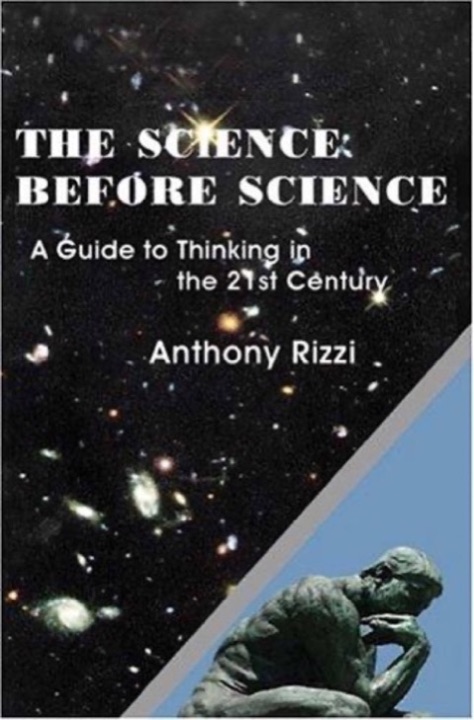
The Science before the Science
Applying the lessons from "The Science Before the Science" by Anthony Rizzi to your life involves integrating philosophical inquiry with your scientific and personal pursuits. Here are some ways you might do this:
-
Philosophical Reflection: Given your background and experiences, take time to reflect on the philosophical foundations of your beliefs and actions. Consider how your understanding of reality, existence, and knowledge influences your approach to life, especially in your medical practice and personal growth.
-
Holistic Understanding: Embrace a holistic approach to understanding the world by integrating scientific knowledge with philosophical insights. This can enhance your decision-making process, allowing you to consider not just empirical evidence but also the broader implications of your actions.
-
Limits of Knowledge: Acknowledge the limits of scientific knowledge in your professional and personal life. Recognize that some questions and experiences, such as those related to spirituality and personal growth, may require philosophical or introspective exploration beyond empirical data.
-
Critique of Reductionism: Avoid reducing complex human experiences to purely scientific terms. Your belief in reincarnation and spiritual growth suggests an openness to exploring life's mysteries beyond what science can explain. Embrace this perspective in your interactions and decision-making.
-
Interdependence of Science and Philosophy: Foster a relationship between science and philosophy in your daily life. Whether it's through reading, discussions, or personal reflection, allow philosophical inquiry to inform your scientific understanding and vice versa.
-
Ethical Considerations: Apply philosophical principles to ethical dilemmas you encounter, both in your medical practice and personal life. Your core values of kindness and empathy align with Rizzi's call for a philosophical foundation in addressing complex issues.
-
Personal Growth and Reflection: Use philosophical inquiry as a tool for personal growth. Reflect on your experiences, values, and beliefs, and consider how they align with the philosophical principles discussed in the book. This can help you live more intentionally and authentically.
-
Engage in Dialogue: Engage in conversations that bridge science and philosophy. Share your insights and experiences with others, fostering a deeper understanding of the interplay between these fields.
By integrating these lessons into your life, you can cultivate a richer, more nuanced understanding of the world and your place in it, enhancing both your personal and professional endeavors.
What the book covers
"The Science Before the Science" by Anthony Rizzi is a philosophical exploration of the foundational principles underlying scientific inquiry. Rizzi, a physicist with a strong background in both science and philosophy, aims to bridge the gap between these two fields by examining the philosophical underpinnings that make scientific investigation possible.
Summary:
-
Philosophical Foundations: - Rizzi argues that science cannot stand alone without a philosophical basis. He emphasizes that before engaging in scientific inquiry, one must understand the nature of reality, existence, and knowledge. - The book delves into classical philosophy, particularly the works of Aristotle and Thomas Aquinas, to establish a framework for understanding the principles that guide scientific thought.
-
The Nature of Reality: - Rizzi discusses the concept of being and existence, exploring how these ideas are crucial for forming a coherent view of the world that science seeks to understand. - He examines the metaphysical principles that underlie scientific laws, such as causality and the nature of change.
-
Epistemology and Science: - The book explores the theory of knowledge, addressing questions about how we know what we know and the limits of scientific knowledge. - Rizzi critiques the modern tendency to separate science from philosophy, arguing that this division leads to a fragmented understanding of reality.
-
Integration of Science and Philosophy: - Rizzi advocates for a harmonious relationship between science and philosophy, where each informs and enriches the other. - He provides examples of how philosophical insights can lead to a deeper understanding of scientific concepts and vice versa.
-
Critique of Scientism: - The book critiques scientism, the belief that science is the ultimate authority on all aspects of life and reality. - Rizzi argues that this view is reductive and overlooks the importance of philosophical inquiry in addressing questions that science alone cannot answer.
Key Takeaways and Lessons:
- Interdependence of Science and Philosophy: Science and philosophy are interdependent; a robust scientific inquiry requires a solid philosophical foundation.
- Importance of Metaphysics: Understanding metaphysical principles is crucial for making sense of scientific laws and phenomena.
- Limits of Scientific Knowledge: Science has its limits, and acknowledging these boundaries is essential for a comprehensive understanding of reality.
- Critique of Reductionism: Reducing all knowledge to scientific terms is inadequate for addressing the full spectrum of human experience and understanding.
- Holistic Understanding: A holistic approach that integrates scientific and philosophical perspectives leads to a more complete and meaningful understanding of the world.
Rizzi's book is a call to recognize the value of philosophical inquiry in scientific endeavors and to appreciate the rich interplay between these two fields in the pursuit of truth.