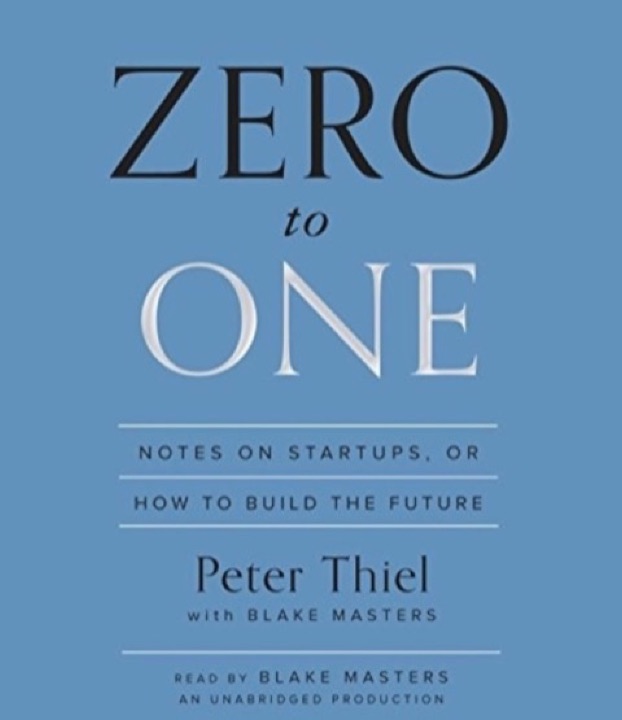
Zero To One: Notes on Startups, or How to Build the Future
Applying the lessons from "Zero to One" to your life involves leveraging your unique experiences, values, and aspirations to create something innovative and impactful. Here are some ways you might integrate the book's principles into your life:
-
Create Unique Value: Reflect on your diverse experiences, such as your near-death encounters and your medical career, to identify unique insights or opportunities. Consider how you can use these insights to create something new and valuable, whether in your professional life or personal projects.
-
Monopolies Are Good: In your advocacy work or any new ventures, aim to establish a niche where you can offer something unique that others cannot easily replicate. This could involve combining your medical expertise with your passion for social issues to create a specialized initiative or service.
-
Avoid Competition: Focus on areas where you can stand out rather than competing in saturated fields. For example, your interest in CRISPR technology could lead you to explore innovative applications or collaborations that others haven't considered.
-
Plan for Success: Use your methodical approach to decision-making to plan strategically for your goals. Whether it's personal growth, professional achievements, or advocacy work, set clear objectives and develop a roadmap to achieve them.
-
Build Strong Foundations: In your personal and professional relationships, continue to prioritize kindness and empathy. These values will help you build strong, supportive networks that can drive your initiatives forward.
-
Sales Matter: Even if you're not selling a product, consider how you can effectively communicate your ideas and initiatives to gain support and traction. This could involve honing your storytelling skills or leveraging your humorous and direct communication style.
-
Leverage Technology: As a forward-thinking individual, continue to explore how technology can enhance your capabilities and impact. This might involve staying informed about advancements in fields like CRISPR or using technology to amplify your advocacy efforts.
-
Find Secrets: Look for undiscovered opportunities or insights in your areas of interest. Your unique perspective and experiences can help you identify these "secrets" that others might overlook.
-
Visionary Leadership: Use your leadership skills to inspire and guide others, whether in your professional role or advocacy work. Your ability to remain calm under pressure and your commitment to kindness can make you a strong and effective leader.
-
Long-Term Thinking: Focus on building a legacy that aligns with your values and aspirations. Whether it's through your family, professional achievements, or social impact, aim to create something that endures and makes a positive difference.
By integrating these principles into your life, you can continue to innovate, inspire, and make meaningful contributions to the world around you.
What the book covers
"Zero to One: Notes on Startups, or How to Build the Future" is a book by Peter Thiel, co-authored with Blake Masters. It is based on a series of lectures Thiel gave at Stanford University in 2012. The book focuses on entrepreneurship, innovation, and building successful startups. Here is a thorough summary of the book, along with key takeaways and lessons:
Summary:
Introduction:
Peter Thiel begins by emphasizing the importance of creating new things, or going from "zero to one," rather than merely copying existing models, which he refers to as going from "one to n." He argues that true innovation is about creating something unique and valuable.
Chapter 1: The Challenge of the Future
Thiel discusses the importance of progress and innovation in shaping the future. He contrasts globalization (horizontal progress) with technological advancement (vertical progress) and argues that the latter is essential for creating a better future.
Chapter 2: Party Like It’s 1999
Thiel reflects on the dot-com bubble and the lessons learned from it. He stresses the importance of building companies that create real value rather than chasing short-term trends.
Chapter 3: All Happy Companies Are Different
This chapter introduces the concept of monopoly as a positive force. Thiel argues that successful companies are those that create and maintain monopolies by offering unique products or services.
Chapter 4: The Ideology of Competition
Thiel critiques the obsession with competition, suggesting that it can be detrimental to innovation. He encourages entrepreneurs to focus on creating monopolies rather than competing in crowded markets.
Chapter 5: Last Mover Advantage
Thiel discusses the importance of being the last mover in a market, meaning the company that dominates and endures. He outlines strategies for achieving and maintaining this position.
Chapter 6: You Are Not a Lottery Ticket
Thiel argues against the notion that success is largely a matter of luck. He emphasizes the importance of planning and deliberate action in achieving success.
Chapter 7: Follow the Money
This chapter explores the role of venture capital and funding in startups. Thiel advises entrepreneurs to seek investors who share their vision and can provide more than just financial support.
Chapter 8: Secrets
Thiel discusses the importance of finding and exploiting secrets—undiscovered truths that can lead to significant competitive advantages.
Chapter 9: Foundations
Thiel emphasizes the importance of building a strong foundation for a startup, including choosing the right co-founders, setting clear company values, and establishing a solid company culture.
Chapter 10: The Mechanics of Mafia
This chapter focuses on building a strong team, often referred to as a "mafia," that shares a common mission and works cohesively towards achieving it.
Chapter 11: If You Build It, Will They Come?
Thiel discusses the importance of sales and distribution in a startup's success. He argues that even the best products need effective sales strategies to reach their potential.
Chapter 12: Man and Machine
Thiel explores the relationship between humans and technology, advocating for a complementary approach where technology enhances human capabilities rather than replacing them.
Chapter 13: Seeing Green
This chapter examines the clean tech bubble and the lessons it offers about the importance of understanding market dynamics and customer needs.
Chapter 14: The Founder’s Paradox
Thiel discusses the unique role of founders in startups, highlighting their importance in shaping company culture and vision. He also addresses the challenges and contradictions they often face.
Key Takeaways and Lessons:
-
Create Unique Value: Focus on creating something new and valuable that sets your company apart from competitors.
-
Monopolies Are Good: Strive to build a monopoly by offering a unique product or service that dominates the market.
-
Avoid Competition: Instead of competing in crowded markets, find niches where you can establish a monopoly.
-
Plan for Success: Success is not just about luck; it requires careful planning, strategy, and execution.
-
Build Strong Foundations: Choose the right team, establish clear values, and create a strong company culture from the start.
-
Sales Matter: Even the best products need effective sales and distribution strategies to succeed.
-
Leverage Technology: Use technology to enhance human capabilities and create innovative solutions.
-
Find Secrets: Look for undiscovered truths or opportunities that can give you a competitive edge.
-
Visionary Leadership: Founders play a crucial role in shaping the vision and culture of a startup.
-
Long-Term Thinking: Focus on building a company that can endure and dominate in the long run.
"Zero to One" is a thought-provoking book that challenges conventional wisdom about startups and innovation. It encourages entrepreneurs to think differently and focus on creating lasting value.