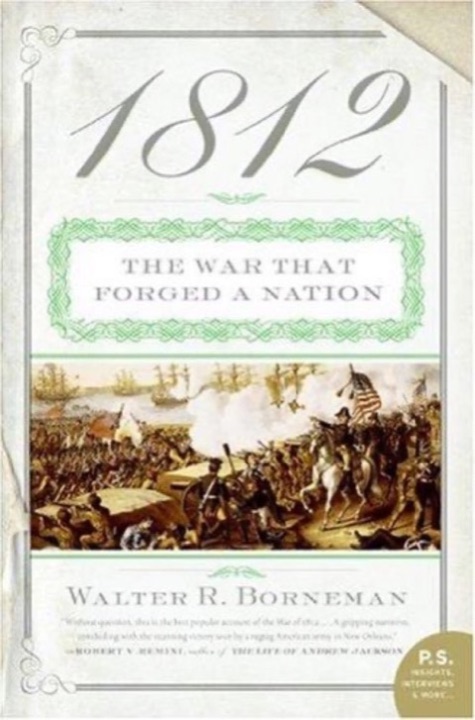
1812
Applying the lessons from "1812: The War That Forged a Nation" by Walter R. Borneman to your life can provide valuable insights and guidance. Here are a few ways you might integrate these lessons:
-
Complex Causes and Decision-Making: - Just as the War of 1812 was driven by a complex interplay of factors, recognize that personal and professional challenges often have multiple underlying causes. Approach decision-making with a comprehensive view, considering all possible influences and outcomes. This aligns with your practice of gathering information and seeking input before making decisions.
-
Leadership and Strategy: - The importance of effective leadership and strategic planning in the war can be mirrored in your life by continuing to cultivate your leadership skills, especially in high-pressure situations like those in the emergency department. Your calm demeanor and quick decision-making are strengths that can be further honed by learning from historical leaders.
-
National Identity and Personal Values: - The war's role in shaping American national identity can inspire you to reflect on your personal identity and values. Your commitment to kindness and empathy, as well as your advocacy for social issues, can be seen as your way of contributing to a more inclusive and equitable society.
-
Diplomacy and Communication: - The delayed communication that led to the Battle of New Orleans highlights the importance of timely and effective communication. In your interactions, whether personal or professional, strive to ensure clear and open communication to avoid misunderstandings and foster collaboration.
-
Resilience and Growth: - The war's long-term consequences, such as fostering nationalism and economic growth, can be a reminder of the potential for growth and resilience in the face of adversity. Your personal philosophy of learning from failures and never quitting aligns with this lesson, encouraging you to continue embracing challenges as opportunities for growth.
-
Long-term Consequences and Legacy: - Consider how your actions today might impact your legacy and the world you leave behind. Your desire to be remembered as someone who lived fully and was kind to everyone reflects an understanding of the long-term consequences of your actions, much like the lasting impacts of the War of 1812.
By integrating these lessons into your life, you can continue to navigate challenges with wisdom and purpose, drawing inspiration from history to shape your present and future.
What the book covers
"1812: The War That Forged a Nation" by Walter R. Borneman is a comprehensive account of the War of 1812, a conflict between the United States and the British Empire. The book delves into the causes, major battles, and consequences of the war, while also highlighting the key figures involved.
Summary:
Causes of the War: The War of 1812 was primarily fueled by ongoing tensions between the United States and Britain. Key issues included British restrictions on American trade, the impressment of American sailors into the British Navy, and British support for Native American tribes resisting American expansion. The war was also driven by a desire among some Americans to annex Canadian territory.
Major Battles and Campaigns: Borneman provides detailed accounts of significant battles and campaigns, including:
- The Invasion of Canada: Initial American attempts to invade Canada were largely unsuccessful, marked by poor leadership and logistical challenges.
- Naval Battles: The war saw several important naval engagements, such as the Battle of Lake Erie, where American forces secured control of the lake, and the USS Constitution's victories over British ships.
- The Burning of Washington: In 1814, British forces captured Washington, D.C., and set fire to several public buildings, including the White House and the Capitol.
- The Battle of New Orleans: Fought after the peace treaty was signed but before news reached the combatants, Andrew Jackson's decisive victory over the British became a symbol of American resilience and nationalism.
Key Figures: The book highlights several key figures, including:
- James Madison: The U.S. President during the war, whose leadership was tested by the conflict.
- Andrew Jackson: His leadership at the Battle of New Orleans made him a national hero and propelled him to the presidency.
- Tecumseh: A Shawnee leader who allied with the British and sought to form a Native American confederation to resist American expansion.
Consequences of the War: The Treaty of Ghent ended the war in December 1814, essentially restoring the status quo ante bellum. However, the war had significant long-term effects:
- Nationalism: The war fostered a sense of American nationalism and unity, despite the lack of clear military victory.
- Military and Economic Growth: The conflict highlighted the need for a stronger military and spurred economic independence from Europe.
- Native American Resistance: The war weakened Native American resistance to American expansion, leading to further loss of their lands.
Key Takeaways and Lessons:
-
Complex Causes: The War of 1812 was the result of a complex interplay of economic, political, and territorial factors, illustrating how multifaceted the causes of war can be.
-
Leadership and Strategy: Effective leadership and strategic planning are crucial in warfare. The American failures in Canada contrasted with successes like the Battle of New Orleans highlight this lesson.
-
National Identity: The war played a crucial role in shaping American national identity and fostering a sense of unity and independence.
-
Diplomacy and Communication: The delayed communication that led to the Battle of New Orleans after the peace treaty was signed underscores the importance of timely diplomacy and communication in international relations.
-
Long-term Consequences: The war had lasting impacts on U.S. military policy, economic development, and Native American relations, demonstrating how conflicts can shape a nation's future trajectory.
Overall, Borneman's "1812" provides a detailed and engaging narrative of a pivotal moment in American history, offering insights into the complexities and consequences of war.