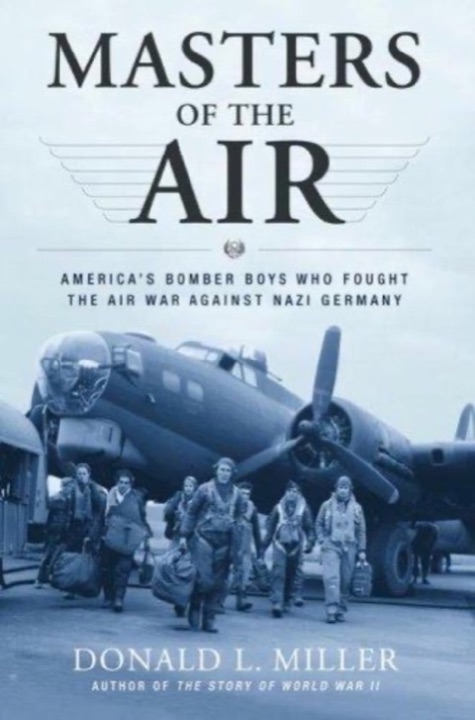
Masters of the Air: America's Bomber Boys Who Fought the Air War Against Nazi Germany
"Masters of the Air" offers several lessons that can be applied to your life, particularly given your experiences and values. Here are a few ways you might integrate these lessons:
-
Courage and Resilience: - The book highlights the bravery and resilience of the bomber crews. You can draw parallels to your own life, particularly your near-death experiences and your philosophy of never quitting. Embrace challenges with courage and view them as opportunities for growth, just as the bomber crews did.
-
Technological Innovation: - The emphasis on technological advancements in the book aligns with your forward-thinking approach to technology. Continue to leverage technology in your personal and professional life to improve outcomes and drive positive change.
-
Strategic Importance of Air Power: - The strategic role of air power in the war can be a metaphor for the importance of having a clear vision and strategy in your endeavors. Apply this lesson by setting clear goals and developing strategies to achieve them, whether in your career, personal growth, or advocacy work.
-
Human Cost and Empathy: - The book's focus on the human cost of war resonates with your core values of kindness and empathy. Continue to prioritize empathy in your interactions and decisions, recognizing the struggles others may face and offering support where you can.
-
Legacy and Impact: - Reflect on the legacy of the Eighth Air Force and consider the legacy you wish to leave behind. Your desire to be remembered as someone who lived fully and was kind aligns with this lesson. Continue to live each day with purpose and kindness, making a positive impact on those around you.
-
Learning from Failure: - The book acknowledges the heavy losses and failures experienced by the bomber crews. Embrace your own failures as valuable learning experiences, as you have done throughout your life, and use them to fuel your persistence and growth.
By integrating these lessons into your life, you can continue to embody the values of courage, empathy, and resilience, while striving to make a meaningful impact on the world around you.
What the book covers
"Masters of the Air: America’s Bomber Boys Who Fought the Air War Against Nazi Germany" by Donald L. Miller is a comprehensive historical account of the American Eighth Air Force during World War II. The book delves into the experiences of the young men who served as bomber crews, highlighting their bravery, struggles, and the strategic importance of their missions in the air war against Nazi Germany.
Summary:
-
Formation and Mission of the Eighth Air Force: - The book begins with the formation of the Eighth Air Force, detailing its strategic purpose in the Allied war effort. It was tasked with conducting daylight precision bombing raids over Europe to cripple the Nazi war machine.
-
Life of the Bomber Crews: - Miller provides vivid descriptions of the daily lives of the bomber crews, focusing on their training, camaraderie, and the psychological and physical challenges they faced. The narrative captures the intense fear and danger of flying missions over heavily defended enemy territory.
-
Technological and Tactical Developments: - The book explores the technological advancements in aircraft and bombing techniques, as well as the tactical evolution of air warfare. It discusses the development of the B-17 Flying Fortress and B-24 Liberator bombers, and the implementation of new strategies to improve bombing accuracy and effectiveness.
-
Key Battles and Campaigns: - Miller covers significant bombing campaigns, including the raids on Schweinfurt, Regensburg, and Berlin. He examines the impact of these missions on the German war effort and the heavy losses suffered by the Eighth Air Force.
-
Human Cost and Heroism: - The narrative does not shy away from the human cost of the air war, detailing the high casualty rates and the emotional toll on the airmen. Stories of individual heroism and sacrifice are interwoven throughout the book, providing a personal dimension to the historical events.
-
Impact on the War and Legacy: - The book concludes with an analysis of the Eighth Air Force's contribution to the Allied victory in Europe. It discusses the strategic importance of the bombing campaign in weakening Nazi Germany and the legacy of the bomber crews in shaping modern air warfare.
Key Takeaways and Lessons:
- Courage and Sacrifice:
-
The book highlights the extraordinary courage and sacrifice of the young men who served in the Eighth Air Force. Their willingness to face overwhelming odds and endure extreme hardships is a testament to their dedication and bravery.
-
Technological Innovation:
-
The air war against Nazi Germany was marked by rapid technological innovation. The development and deployment of advanced aircraft and bombing techniques played a crucial role in the success of the Allied air campaign.
-
Strategic Importance of Air Power:
-
"Masters of the Air" underscores the strategic importance of air power in modern warfare. The ability to conduct sustained bombing campaigns significantly contributed to the weakening of the enemy's industrial and military capabilities.
-
Human Cost of War:
-
The book serves as a poignant reminder of the human cost of war. The high casualty rates and the psychological impact on the airmen highlight the devastating consequences of conflict.
-
Legacy of the Eighth Air Force:
- The legacy of the Eighth Air Force is evident in the evolution of air warfare and the continued emphasis on air superiority in military strategy. Their experiences and achievements laid the groundwork for future generations of airmen.
Overall, "Masters of the Air" is a meticulously researched and compellingly written account that pays tribute to the bravery and sacrifice of America's bomber boys during World War II. It provides valuable insights into the complexities of air warfare and the enduring impact of the Eighth Air Force's contributions to the Allied victory.