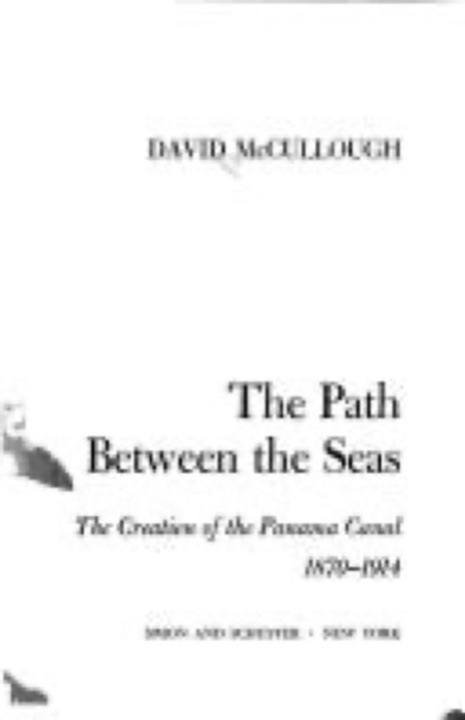
The Path Between the Seas: The Creation of the Panama Canal, 1870-1914
Applying the lessons from "The Path Between the Seas" to your life can be a meaningful exercise, especially given your rich experiences and personal philosophy. Here are some ways you might integrate the book's themes into your life:
-
Vision and Persistence: - Just as the Panama Canal project required a clear vision and relentless persistence, you can apply these qualities to your aspirations, such as living in the moment or pursuing skydiving. Keep your long-term goals in sight and persist through challenges, knowing that setbacks are part of the journey.
-
Leadership and Management: - The transition from French to American leadership in the canal's construction highlights the importance of effective management. In your professional and personal life, continue to lead with kindness and empathy, ensuring that your decisions are well-informed and inclusive of others' perspectives.
-
Health and Safety: - The successful fight against tropical diseases during the canal's construction underscores the importance of prioritizing health and safety. Apply this lesson by maintaining your rigorous exercise routine and focusing on the well-being of your family and friends.
-
International Collaboration and Politics: - The canal's history illustrates the complexities of international politics and collaboration. In your advocacy work, continue to engage with diverse perspectives and collaborate with others to address social issues like equality and human trafficking.
-
Technological Innovation: - The engineering feats achieved during the canal's construction demonstrate the power of innovation. Embrace technological advancements in your field and personal interests, leveraging them to improve your life and contribute positively to society.
-
Resilience and Adaptability: - The canal's completion required adapting to unforeseen challenges. Your resilience and humor are strengths that can help you navigate life's uncertainties, whether in personal growth or facing societal changes.
-
Learning from Failure: - The French failure and subsequent American success highlight the importance of learning from mistakes. Reflect on your past experiences, especially failures, as opportunities for growth and improvement.
By integrating these lessons into your life, you can continue to pursue your goals with determination, lead with empathy, and contribute positively to the world around you.
What the book covers
"The Path Between the Seas: The Creation of the Panama Canal, 1870-1914" by David McCullough is a comprehensive historical account of the monumental engineering feat of constructing the Panama Canal. The book delves into the political, financial, and human challenges that were overcome to connect the Atlantic and Pacific Oceans through the Isthmus of Panama.
Summary:
-
Early Efforts and French Involvement: - The book begins with the initial interest in creating a canal through Central America, highlighting early surveys and proposals. - The French effort, led by Ferdinand de Lesseps, who was famous for the Suez Canal, is detailed. Despite his reputation, the project faced numerous challenges, including tropical diseases, engineering difficulties, and financial mismanagement. - The French endeavor ultimately failed, leaving behind a legacy of loss and a partially completed canal.
-
American Intervention: - After the French failure, interest in the canal shifted to the United States. The book covers the political maneuvering and negotiations that led to American involvement. - The U.S. initially considered a route through Nicaragua but eventually chose Panama, influenced by both strategic considerations and lobbying efforts.
-
Construction Under American Leadership: - The narrative details the American-led construction effort, which began in earnest in 1904. - Key figures such as President Theodore Roosevelt, engineer John Stevens, and Army officer George Washington Goethals played crucial roles in the successful completion of the canal. - The Americans implemented significant changes, including better management practices, improved living conditions for workers, and effective measures against diseases like yellow fever and malaria.
-
Engineering and Technological Challenges: - The book provides an in-depth look at the engineering challenges faced, such as the construction of the massive Gatun Locks and the Culebra Cut. - Innovations in technology and logistics were crucial to overcoming these obstacles.
-
Completion and Impact: - The canal was completed in 1914, just as World War I was beginning, marking a significant achievement in engineering and international trade. - The canal had profound implications for global commerce, military strategy, and international relations.
Key Takeaways and Lessons:
-
Vision and Persistence: The creation of the Panama Canal underscores the importance of vision and persistence in achieving monumental goals. Despite numerous setbacks, the project was ultimately completed through determination and innovation.
-
Leadership and Management: Effective leadership and management were crucial to the success of the canal. The transition from French to American control highlights the impact of competent leadership and strategic planning.
-
Health and Safety: The successful fight against tropical diseases was a turning point in the project. It demonstrated the importance of prioritizing worker health and safety in large-scale endeavors.
-
International Collaboration and Politics: The canal's history illustrates the complexities of international politics and the need for collaboration and negotiation in global projects.
-
Technological Innovation: The project showcased the power of technological innovation and engineering prowess in overcoming natural and logistical challenges.
Overall, "The Path Between the Seas" is not just a story of engineering triumph but also a narrative about human ambition, resilience, and the ability to overcome seemingly insurmountable obstacles.