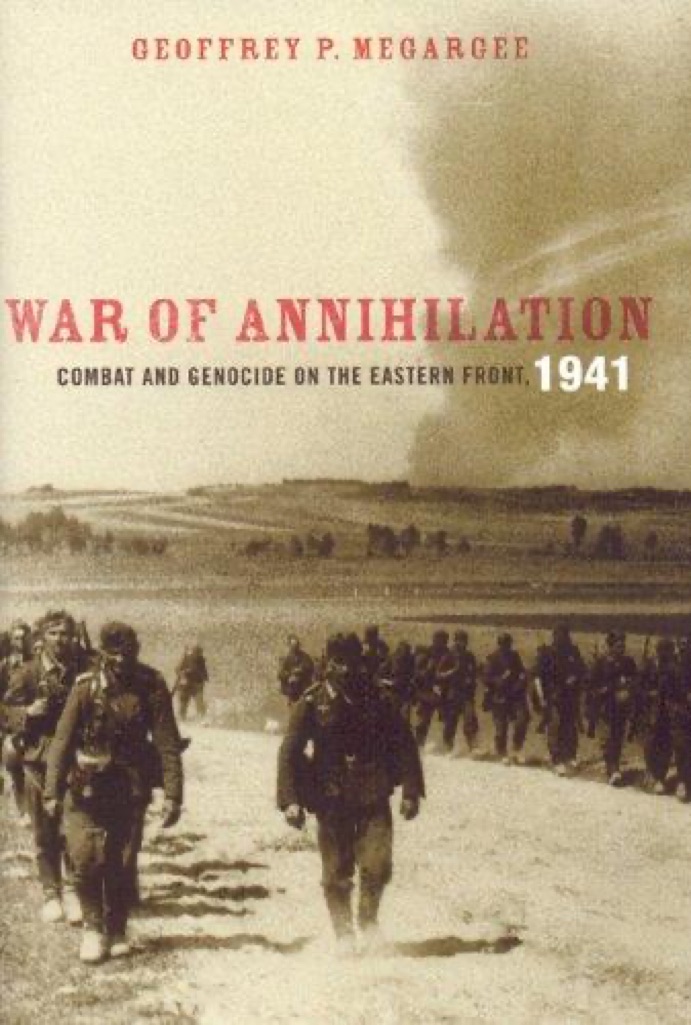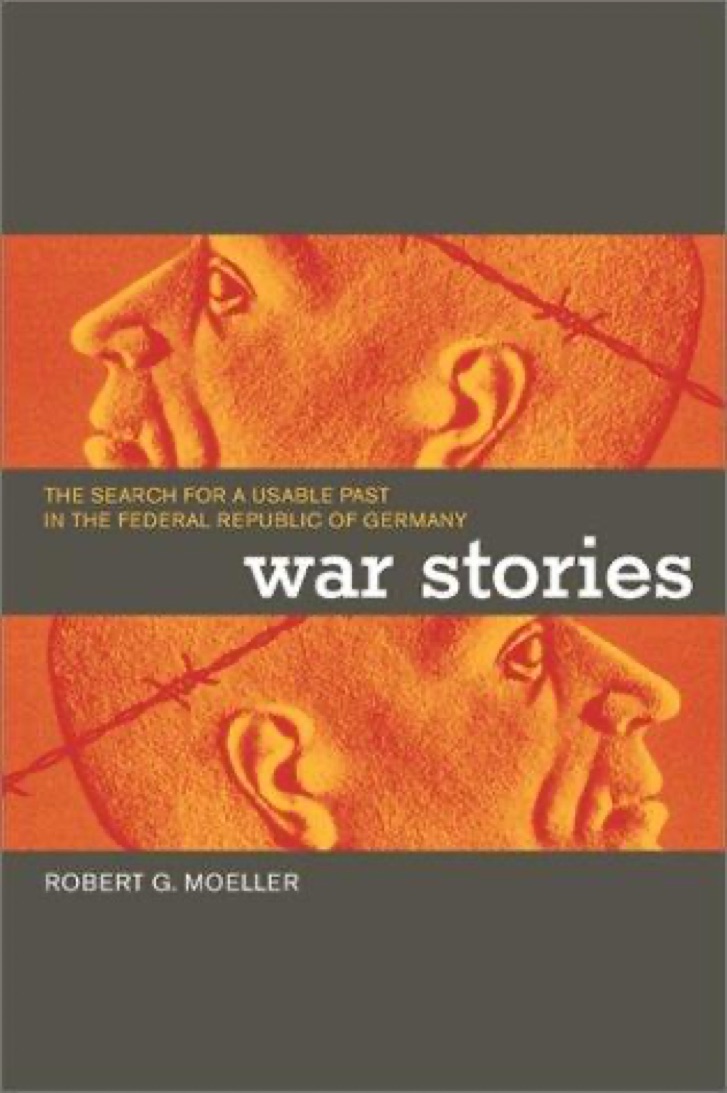
Shadows of Trauma: Memory and the Politics of Postwar Identity
Applying the lessons from "Shadows of Trauma: Memory and the Politics of Postwar Identity" by Aleida Assmann to your life can be a transformative exercise in understanding how history and personal narratives shape your leadership and worldview. Here are some ways you might integrate these lessons:
-
Navigating Organizational Trauma: - In medicine and high-stakes entrepreneurship, crises are inevitable. You must recognize that your team carries "communicative memories" of past failures or stressors that can hinder current performance. By acknowledging these "shadows" rather than suppressing them, you create a culture of psychological safety where team members feel empowered to process trauma and move toward collective growth.
-
Curating Your Professional Legacy: - Just as nations build cultural memory, you should intentionally curate the history of your ventures. Whether in a VC firm or an urgent care network, ensure that the "institutional memory" reflects not just the wins, but the lessons learned from losses. This transparency builds long-term trust with stakeholders and provides a roadmap for future leaders to avoid past pitfalls.
-
Moving from Blame to Responsibility: - In both law and leadership, the impulse to find a scapegoat for failure is strong. Assmann’s distinction between guilt and responsibility is crucial; as a leader, you must move your organization past the defensive stage of finger-pointing toward a state of shared responsibility. This approach fosters a "stay humble" mindset where the focus is on systemic improvement rather than individual punishment.
-
The Power of Authentic Witnessing: - Your role as a physician and pilot often puts you in the position of a witness to human vulnerability and technical failure. Use these experiences to inform your advocacy and writing. By giving voice to the subjective realities of the front lines, you provide a necessary corrective to the often-dehumanized metrics of healthcare administration and business operations.
-
Ethical Frameworks for Decision Making: - Assmann’s exploration of the "politics of regret" suggests that acknowledging mistakes is a sign of societal health. In your personal and professional life, practicing the art of the sincere apology and the thorough post-mortem is essential. This ensures that your "hunger" for success is always balanced by an ethical compass that respects the impact of your actions on others.
-
Global Perspective and Local Action: - Just as Holocaust memory provides a global framework for trauma, your diverse background allows you to see universal patterns across different industries. Use this high-level view to implement specialized, compassionate solutions in specific sectors like Tribal Health, ensuring that the unique historical traumas of the communities you serve are respected and addressed.
By integrating these lessons, you will develop a more sophisticated approach to both personal and professional legacy. Understanding the "shadows" of the past allows you to lead with greater empathy and strategic foresight, ensuring that your various ventures and roles are informed by a deep, honest appraisal of history.
What the book covers
"Shadows of Trauma: Memory and the Politics of Postwar Identity" by Aleida Assmann is a profound exploration of how societies, specifically Germany, process the moral and psychological burdens of a violent past. Assmann, a leading figure in memory studies, examines the tension between individual recollections and the collective narratives constructed by nations to define their identity. The book serves as a theoretical and historical investigation into how trauma is preserved, suppressed, or institutionalized to shape contemporary political and social life.
Summary:
-
The Architecture of Memory: - Assmann distinguishes between "communicative memory," which is short-term and based on personal interactions, and "cultural memory," which is long-term and supported by institutions, monuments, and texts. She argues that for a trauma to have lasting societal impact, it must transition from lived experience into a shared cultural framework that outlives the survivors.
-
The Dialectic of Remembering and Forgetting: - The author explores how forgetting is often used as a political tool for stabilization in the immediate aftermath of conflict. However, she posits that "repressive silence" eventually fails, leading to a "return of the repressed" that requires a more conscious, ethical form of public remembrance to achieve true social health.
-
The Competition of Victimhood: - A significant portion of the work analyzes the complex dynamics of post-war German identity, where the memory of German suffering—such as the firebombing of cities and expulsion from the East—often competed with the memory of the Holocaust. Assmann argues for a multidimensional memory that acknowledges various forms of trauma without creating moral equivalencies that diminish the guilt of the perpetrator.
-
From Guilt to Responsibility: - Assmann investigates the psychological shift required for a nation to move from the defensive posture of a perpetrator generation to a constructive stance of collective responsibility. This transition involves acknowledging historical crimes not as a source of paralyzing shame, but as a foundational ethical commitment for the future.
-
The Globalization of Holocaust Memory: - The book traces how the Holocaust has become a universal benchmark for human rights and historical trauma. Assmann explores how this specific event provides a global vocabulary for other nations to address their own histories of violence, while also warning against the dilution of specific historical contexts.
-
The Role of the Witness: - Assmann emphasizes the evolving role of the witness in the public sphere, moving from legal testimony to moral authority. She examines how the "era of the witness" has changed historical discourse, placing a premium on the subjective experience of trauma as a necessary corrective to detached, official state histories.
-
Institutionalizing Regret: - The concluding sections deal with the "politics of regret," where states issue apologies and build memorials to integrate past atrocities into their national narrative. Assmann argues that these acts are essential for a society’s integrity, ensuring that the "shadows" of trauma act as warnings rather than hidden wounds.
Assmann’s work is a vital contribution to our understanding of the ethical weight of history. By deconstructing the mechanisms of national memory, she demonstrates that a society’s strength is measured not by its ability to move on, but by its courage to remember and integrate its most painful chapters.