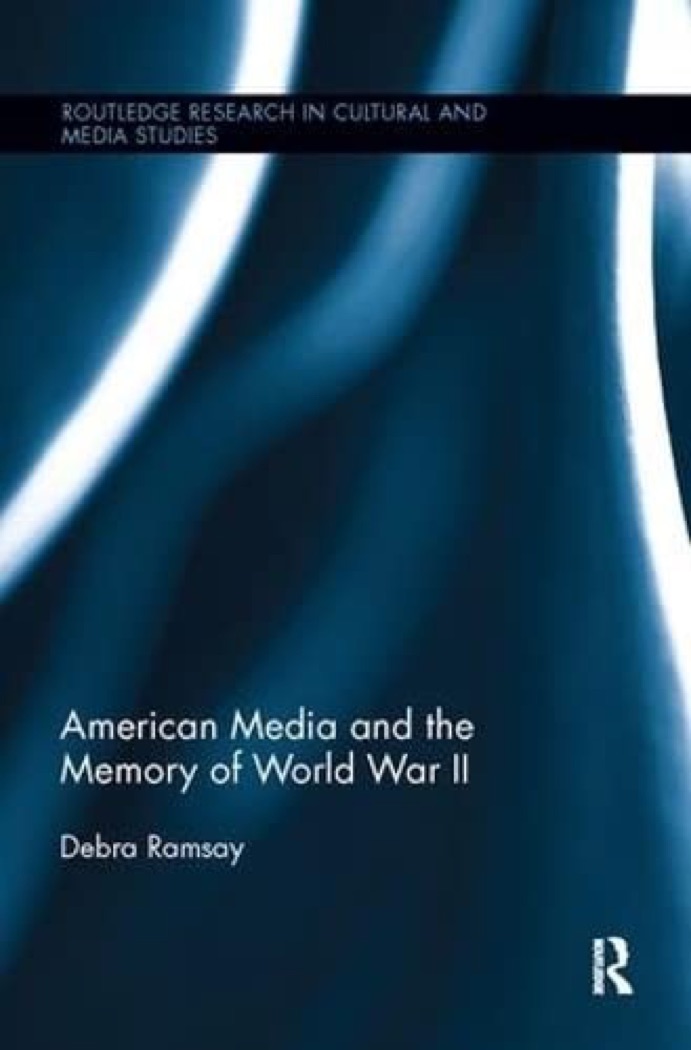
American Media and the Memory of World War II
Applying the lessons from "American Media and the Memory of World War II" by Debra Ramsay to your life can be a transformative exercise in understanding how narrative shapes our reality and influences our decision-making. Here are some ways you might integrate these lessons:
-
Control the Narrative in Leadership: - Just as media shapes the memory of a war, as a leader in medicine or business, you must be the primary architect of your organization’s narrative. You should realize that how a project or a crisis is remembered by your team is often more influential on future performance than the objective facts of the event itself.
-
Leverage Immersive Technology: - Drawing from the transition to interactive media, you can enhance training and education by moving beyond static lectures. Whether in the cockpit or the ER, you should seek out and implement simulation-based learning that provides a "visceral" experience, as this creates deeper, more resilient neural pathways and "prosthetic memories" of complex procedures.
-
Balance Realism with Objective Truth: - In your legal and medical practices, you must distinguish between the "feeling" of authenticity and the rigor of factual accuracy. You should remain vigilant against the seductive power of a compelling but potentially misleading story, ensuring that your conclusions are grounded in evidence rather than just a well-constructed narrative flow.
-
Adapt to the Digital Shift: - As a venture capitalist and entrepreneur, you must recognize the move from linear storytelling to database-driven information consumption. You should structure your communication and your companies to be "navigable" and transparent, allowing stakeholders to interact with data in non-linear ways that suit their specific needs and perspectives.
-
Honor the Human Element in Strategy: - Following the shift from macro-history to the "Band of Brothers" micro-focus, you should prioritize the individual stories within your teams. You will find that loyalty and mission-success are driven more by the small-unit bonds and individual recognition than by high-level corporate mission statements.
-
Stay Humble in the Face of Complexity: - Acknowledge that your perspective is always mediated by your own experiences and the information channels you trust. To "stay humble," you must constantly question the filters through which you view the world and seek out diverse viewpoints to counteract the natural bias of your own mental archives.
By integrating these lessons, you will develop a more sophisticated understanding of how information is processed and remembered, allowing you to lead with greater empathy, communicate with more impact, and navigate the complexities of modern industry with a clearer sense of how the past informs the future.
What the book covers
"American Media and the Memory of World War II" by Debra Ramsay is a scholarly and comprehensive examination of how American media has constructed, maintained, and reshaped the collective memory of the Second World War. It analyzes the evolution of these representations across a variety of platforms, including film, television, and digital video games, to understand how the "Good War" narrative persists in the American psyche. Ramsay argues that historical memory is not a static preservation of facts but a dynamic process heavily influenced by the technological affordances and narrative conventions of the media through which it is consumed.
Summary:
-
The Evolution of Commemorative Media: - Ramsay traces the shift from traditional, linear storytelling in mid-twentieth-century cinema to the multi-sensory, interactive experiences of the twenty-first century. She explores how early representations focused on national unity and sacrifice, establishing a foundational mythos that later media would both reinforce and complicate through more graphic or personalized lenses.
-
The Impact of Saving Private Ryan: - The book highlights Steven Spielberg’s 1998 film as a pivotal moment that redefined historical realism through its immersive cinematography and sound design. Ramsay explains that this film moved the audience from a position of passive observation to one of "witnessing," setting a new aesthetic standard that demanded a visceral, bodily response to historical violence.
-
Serialized Memory in Television: - Through an analysis of miniseries like Band of Brothers, Ramsay discusses how the long-form format of television allows for a deeper, more intimate exploration of the "Greatest Generation." This format facilitates a transition from broad national narratives to the specific, localized bonds of the small unit, emphasizing the camaraderie and trauma of the individual soldier over the strategic maneuvers of the high command.
-
Video Games and Interactive History: - A significant portion of the work is dedicated to how first-person shooters like Medal of Honor and Call of Duty transform the player into a participant in historical events. Ramsay argues that these games create a "prosthetic memory," where players feel a sense of personal connection to the war through agency and interactivity, even though their experience is mediated by digital algorithms.
-
The Role of the Digital Archive: - The book examines the shift toward digital databases and archival logic, where history is accessed through non-linear fragments rather than cohesive stories. Ramsay posits that this reflects a broader cultural change in how we process information, where the authority of the singular historian is replaced by the user’s ability to navigate and curate their own historical experience.
-
The Interplay of Fact and Fiction: - Ramsay delves into the blurring lines between documentary footage and fictional dramatization, noting how modern media often uses archival clips to provide "authentic" weight to fictional narratives. This creates a feedback loop where the entertainment industry becomes a primary source of historical knowledge for the public, often prioritizing emotional resonance over nuanced historical accuracy.
Ultimately, Ramsay’s work serves as a critical reminder that our understanding of the past is inextricably linked to the tools we use to remember it. By deconstructing the layers of mediation between the event and the audience, she reveals how the memory of World War II continues to be a powerful, contested, and evolving force in American cultural identity.