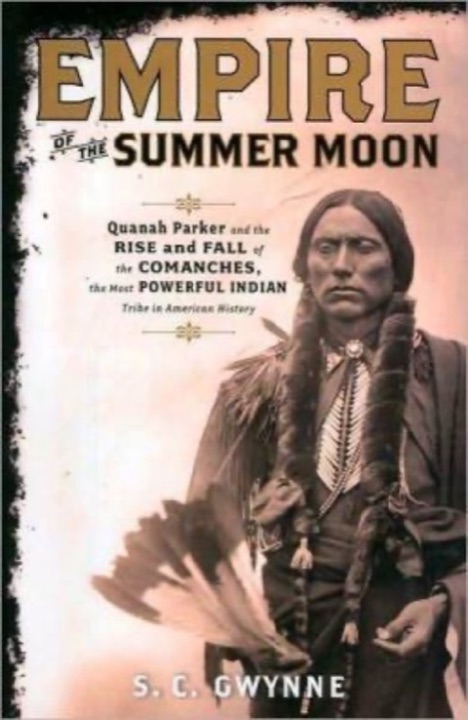
Empire of the Summer Moon: Quanah Parker and the Rise and Fall of the Comanches, the Most Powerful Indian Tribe in American History
"Empire of the Summer Moon" offers several lessons that can be applied to your life, particularly in the areas of adaptability, leadership, and resilience. Here’s how you might integrate these lessons:
-
Adaptability and Resilience: - Quanah Parker's ability to adapt to changing circumstances is a key theme in the book. You can apply this lesson by continuing to embrace change and remain flexible in your personal and professional life. Your experiences with near-death situations and your belief in reincarnation suggest you already have a strong sense of resilience. Use this to navigate future challenges with an open mind and a willingness to adjust your approach as needed.
-
Leadership and Influence: - Quanah Parker emerged as a leader during a time of great upheaval. Reflect on your own leadership roles, whether in your career, family, or community. Consider how you can use your strengths—such as kindness, empathy, and persistence—to inspire and guide others, just as Quanah did for his people.
-
Cultural Understanding and Empathy: - The book highlights the devastating impact of cultural clashes. Given your passion for social issues like equality and your involvement in activism, you can continue to advocate for understanding and acceptance across different cultures and communities. Your core values of kindness and empathy align well with this lesson.
-
Embracing Innovation: - The Comanches' mastery of horse riding transformed their society. Similarly, you can embrace new technologies and innovations in your field and personal life. Your interest in leveraging technology for the betterment of mankind aligns with this lesson, and you can continue to explore how advancements can improve your work and the world around you.
-
Historical Complexity and Perspective: - The book presents a nuanced view of history, reminding us that events and figures are often more complex than they appear. Apply this lesson by maintaining an open mind and seeking to understand different perspectives in your interactions and decision-making processes. This approach can enhance your personal growth and relationships.
By integrating these lessons into your life, you can continue to grow as a resilient, adaptable leader who values cultural understanding and embraces innovation.
What the book covers
"Empire of the Summer Moon" by S.C. Gwynne is a historical narrative that explores the rise and fall of the Comanche tribe, focusing particularly on Quanah Parker, the last chief of the Comanches. The book provides a detailed account of the Comanche tribe's dominance in the American West, their fierce resistance against European settlers, and the eventual decline of their power.
Summary:
-
The Comanche Tribe: - The Comanches were originally a small, nomadic tribe that became one of the most powerful Native American groups in history. Their rise to power was largely due to their exceptional skills as horsemen and warriors. - The book details how the Comanches mastered the use of horses, which they acquired from the Spanish, transforming themselves into formidable mounted warriors. This allowed them to control vast territories across the Southern Plains.
-
Quanah Parker: - Quanah Parker was the son of Cynthia Ann Parker, a white woman who was kidnapped by the Comanches as a child, and Peta Nocona, a Comanche chief. Quanah's mixed heritage made him a unique figure in both Comanche and American history. - He emerged as a leader during a time of great upheaval and played a crucial role in the tribe's resistance against the encroachment of settlers and the U.S. military.
-
Conflict and Resistance: - The book chronicles numerous battles and skirmishes between the Comanches and settlers, including the infamous Battle of Adobe Walls and the Red River War. - The Comanches' resistance was marked by their strategic prowess and brutal tactics, which made them a formidable opponent for the U.S. military.
-
The Decline of the Comanches: - Despite their strength, the Comanches eventually succumbed to the overwhelming forces of the U.S. government, which included military campaigns, the destruction of the buffalo (their primary food source), and the spread of diseases. - Quanah Parker eventually led his people onto the reservation, where he adapted to the new way of life and became a successful rancher and a mediator between Native Americans and whites.
Key Takeaways and Lessons:
- Adaptability and Leadership:
-
Quanah Parker's ability to adapt to changing circumstances and his leadership skills were crucial in navigating the challenges faced by his people. His story underscores the importance of adaptability and resilience in the face of adversity.
-
Cultural Clash and Consequences:
-
The book highlights the devastating impact of cultural clashes between Native Americans and European settlers. It serves as a reminder of the consequences of colonization and the loss of indigenous cultures and ways of life.
-
The Role of Technology and Innovation:
-
The Comanches' mastery of horse riding and warfare illustrates how technology and innovation can dramatically alter the balance of power. This lesson is applicable across various contexts, emphasizing the importance of embracing new tools and strategies.
-
Historical Complexity:
- Gwynne's narrative presents a nuanced view of history, showing that events and figures are often more complex than they appear. Understanding this complexity is crucial for a more comprehensive grasp of historical events.
Overall, "Empire of the Summer Moon" provides a compelling and detailed account of the Comanche tribe's history, offering valuable insights into leadership, cultural conflict, and the forces that shape historical change.