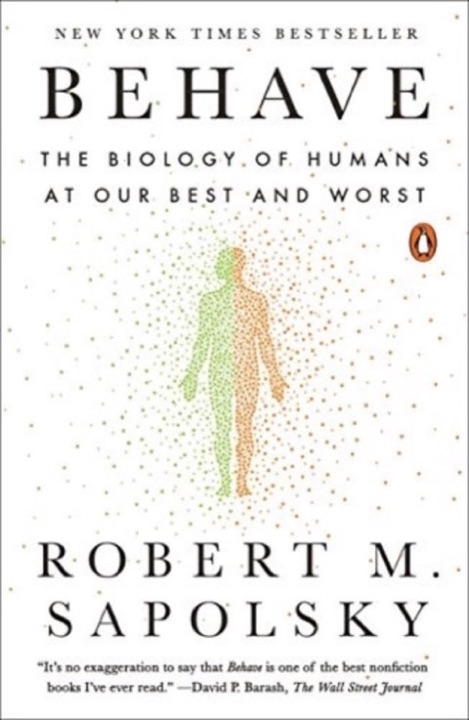
Behave: The Biology of Humans at Our Best and Worst
Applying the lessons from "Behave: The Biology of Humans at Our Best and Worst" by Robert Sapolsky to your life can enhance your understanding of human behavior and deepen your empathy and self-awareness. Here are some ways you might integrate these insights:
-
Embrace Complexity: - Recognize that your actions and those of others are influenced by a complex interplay of biological, environmental, and cultural factors. This understanding can help you approach situations with more empathy and patience, acknowledging that behavior is rarely straightforward.
-
Contextual Awareness: - Consider the context in which behaviors occur. Whether in personal relationships or professional settings, understanding the immediate and broader circumstances can lead to more informed and compassionate responses.
-
Foster Empathy: - Use your knowledge of the biological and environmental influences on behavior to cultivate empathy. This aligns with your core values of kindness and understanding, reinforcing your belief that everyone is fighting their own battles.
-
Nuanced Responsibility: - While acknowledging the biological influences on behavior, maintain a balanced view of personal responsibility. This perspective can guide your ethical decisions, especially in challenging situations as a physician or advocate.
-
Promote Positive Change: - Leverage your understanding of behavior to encourage positive change in yourself and others. This might involve supporting interventions that address harmful behaviors or fostering environments that promote well-being and growth.
-
Reflect on Free Will: - Consider the philosophical questions around free will and how they relate to your life experiences. This reflection can deepen your understanding of your actions and decisions, helping you navigate life's challenges with greater insight.
-
Appreciate Human Duality: - Recognize the dual nature of human behavior, acknowledging both the potential for aggression and the capacity for altruism. This awareness can inform your interactions and advocacy work, emphasizing the importance of nurturing compassion and understanding.
-
Continuous Learning: - As a lifelong learner, use the insights from the book to fuel your curiosity about human behavior. This aligns with your personal philosophy of being in a constant state of beta, always seeking to grow and evolve.
-
Balance Biological and Cultural Influences: - Reflect on how your identity and experiences have shaped your behavior, considering both biological predispositions and cultural influences. This self-awareness can enhance your personal growth and relationships.
By integrating these lessons into your life, you can deepen your understanding of human behavior, enhance your empathy, and continue to live in alignment with your values and aspirations.
What the book covers
"Behave: The Biology of Humans at Our Best and Worst" by Robert Sapolsky is an extensive exploration of the biological and environmental factors that influence human behavior. Sapolsky, a renowned neuroscientist and primatologist, delves into the complexities of why humans behave the way they do, examining the interplay between biology, environment, and culture.
Summary:
-
Introduction to Human Behavior: - Sapolsky begins by setting the stage for understanding human behavior, emphasizing the complexity and multifaceted nature of actions. He introduces the idea that behavior is influenced by a multitude of factors ranging from immediate neural activity to cultural and evolutionary contexts.
-
The Role of the Brain: - The book delves into the neuroscience of behavior, explaining how different parts of the brain, such as the amygdala and prefrontal cortex, contribute to our actions. Sapolsky discusses how hormones and neurotransmitters like dopamine and serotonin affect decision-making and emotional responses.
-
The Influence of Hormones: - Sapolsky explores the impact of hormones, particularly stress hormones like cortisol, on behavior. He examines how hormonal changes can influence aggression, empathy, and social bonding.
-
Developmental Influences: - The book discusses how prenatal and early childhood environments shape behavior. Sapolsky highlights the importance of early experiences and how they can have long-lasting effects on an individual's behavior and mental health.
-
Genetics and Behavior: - Sapolsky addresses the role of genetics in behavior, explaining that while genes can predispose individuals to certain behaviors, they do not determine them. He emphasizes the interaction between genes and the environment.
-
The Impact of Culture and Society: - The book examines how cultural norms and societal structures influence behavior. Sapolsky discusses topics such as morality, justice, and the social constructs that guide human interactions.
-
Aggression and Altruism: - Sapolsky explores the dual nature of human behavior, discussing why humans can be both violent and compassionate. He investigates the biological and environmental triggers for aggression and the conditions that foster altruism.
-
Free Will and Responsibility: - The book tackles the philosophical question of free will, questioning to what extent our actions are determined by biology versus conscious choice. Sapolsky argues for a nuanced understanding of responsibility, considering the myriad influences on behavior.
-
The Complexity of Human Behavior: - Sapolsky concludes by reiterating the complexity of human behavior, advocating for a holistic approach to understanding actions. He stresses the importance of considering all levels of influence, from the molecular to the societal.
Key Takeaways and Lessons:
- Interconnectedness of Influences:
-
Human behavior is the result of a complex interplay between biological, environmental, and cultural factors. No single factor can fully explain why we behave the way we do.
-
Importance of Context:
-
Context is crucial in understanding behavior. Immediate circumstances, past experiences, and broader societal influences all play a role in shaping actions.
-
Empathy and Understanding:
-
A deeper understanding of the biological and environmental influences on behavior can foster empathy and reduce judgment. Recognizing the factors that drive behavior can lead to more compassionate responses to others.
-
Nuanced View of Responsibility:
-
While biology influences behavior, it does not absolve individuals of responsibility. A nuanced view that considers both biological predispositions and conscious choices is essential for addressing issues of morality and justice.
-
Potential for Change:
- Despite biological predispositions, humans have the capacity for change. Understanding the factors that influence behavior can lead to interventions that promote positive change and reduce harmful behaviors.
Overall, "Behave" is a comprehensive examination of the factors that influence human behavior, offering insights into the biological underpinnings of our actions and the potential for understanding and change.