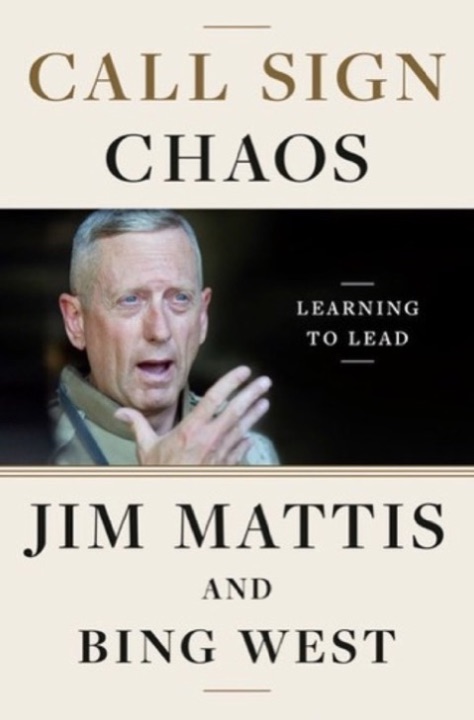
Call Sign Chaos: Learning to Lead
Applying the lessons from "Call Sign Chaos: Learning to Lead" by Jim Mattis and Bing West to your life can enhance your leadership skills and personal growth. Here’s how you might integrate some of the key lessons from the book into your own experiences and aspirations:
-
Continuous Learning: You already value lifelong learning, as evidenced by your diverse interests and daily self-evaluation. Continue to seek knowledge from various sources, including history and literature, to broaden your understanding and perspective. Consider exploring new areas of interest, such as skydiving, to keep challenging yourself.
-
Ethical Leadership: Your commitment to kindness and empathy aligns with Mattis's emphasis on ethical leadership. Continue to lead by example in your personal and professional life, ensuring that your actions reflect your core values.
-
Empowerment: You value loyalty and friendship, which can be strengthened by empowering those around you. Trust your family, friends, and colleagues to make decisions and support them in their endeavors, fostering a sense of initiative and resilience.
-
Adaptability: Your ability to remain calm in stressful situations is a testament to your adaptability. Continue to embrace change and uncertainty, using your experiences to guide others through challenging times.
-
Strategic Vision: Your aspirations for societal progress and personal growth require a clear strategic vision. Set long-term goals for yourself and your community, and work towards them with determination and persistence.
-
Communication: Your direct and humorous communication style can be a powerful tool for building trust and rapport. Ensure that your communication remains clear and honest, especially when addressing controversial issues or providing feedback.
-
Cultural Understanding: Your passion for equality and social issues highlights the importance of cultural understanding. Continue to advocate for acceptance and inclusivity, using your platform to educate and inspire others.
By integrating these lessons into your life, you can enhance your leadership capabilities and continue to make a positive impact on those around you. Your resilience, humor, and kindness will serve as guiding principles as you navigate life's challenges and opportunities.
What the book covers
"Call Sign Chaos: Learning to Lead" is a memoir and leadership guide by Jim Mattis, a retired four-star Marine Corps general and former U.S. Secretary of Defense, co-authored with Bing West. The book provides insights into Mattis's military career, leadership philosophy, and the lessons he learned over decades of service.
Summary:
Early Life and Career:
- Background: Jim Mattis grew up in a military family and was deeply influenced by his upbringing and early experiences.
- Marine Corps Entry: He joined the Marine Corps in 1969, beginning a career that would span over four decades.
Military Leadership:
- Leadership Philosophy: Mattis emphasizes the importance of reading, continuous learning, and understanding history to become an effective leader. He believes in leading by example and maintaining a strong ethical foundation.
- Combat Experience: The book details Mattis's experiences in various conflicts, including the Gulf War, Afghanistan, and Iraq. He shares stories from the battlefield that illustrate his leadership style and decision-making process.
Key Military Engagements:
- Gulf War: Mattis discusses his role in Operation Desert Storm and the lessons learned about coalition warfare and rapid maneuvering.
- Afghanistan: He reflects on the early stages of the War in Afghanistan, focusing on the need for adaptability and understanding local cultures.
- Iraq War: Mattis provides an in-depth look at the Iraq War, particularly the Battle of Fallujah, highlighting the complexities of urban warfare and counterinsurgency.
Leadership Lessons:
- Strategic Thinking: Mattis stresses the importance of strategic thinking and the ability to anticipate future challenges.
- Decentralized Command: He advocates for empowering subordinates and trusting them to make decisions, which fosters initiative and adaptability.
- Communication: Clear and honest communication is crucial for effective leadership, both in military and civilian contexts.
Post-Military Career:
- Secretary of Defense: Mattis briefly touches on his tenure as Secretary of Defense under President Donald Trump, focusing on his efforts to strengthen alliances and maintain military readiness.
Key Takeaways and Lessons:
-
Continuous Learning: Leaders should be lifelong learners, constantly seeking knowledge and understanding from history and literature.
-
Ethical Leadership: Integrity and ethical behavior are non-negotiable for leaders, as they set the tone for their organizations.
-
Empowerment: Trusting and empowering subordinates leads to more effective and resilient teams.
-
Adaptability: Leaders must be adaptable and open to change, especially in complex and rapidly evolving environments.
-
Strategic Vision: A clear strategic vision is essential for guiding organizations through uncertainty and achieving long-term goals.
-
Communication: Effective communication is key to building trust and ensuring alignment within teams and organizations.
-
Cultural Understanding: In global operations, understanding and respecting local cultures is crucial for success.
"Call Sign Chaos" is not just a memoir but a guide for leaders in any field, offering timeless principles drawn from Mattis's extensive experience in military leadership.