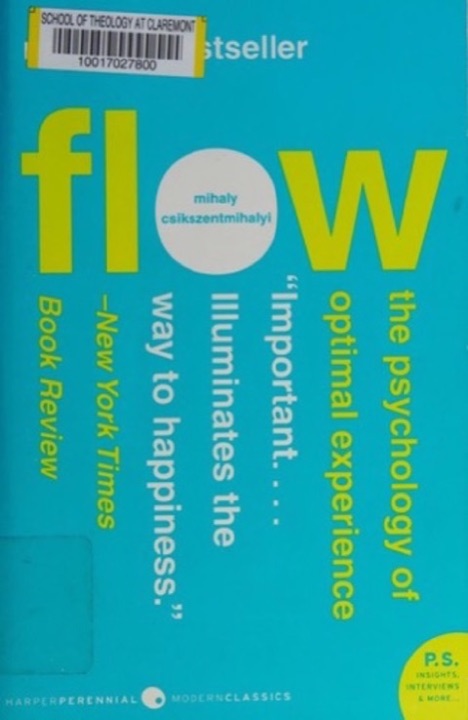
Flow: Living at the Peak of Your Abilities
Applying the lessons from "Flow: The Psychology of Optimal Experience" by Mihaly Csikszentmihalyi to your life can enhance your sense of fulfillment and productivity. Here are some tailored suggestions based on your personal narrative:
-
Balance Challenge and Skill: - Given your diverse interests and experiences, such as flying and exercising, ensure that these activities continue to challenge you just enough to keep you engaged. For example, if flying has become routine, consider learning new maneuvers or exploring different types of aircraft to maintain that balance.
-
Set Clear Goals: - Whether it's in your professional life as a physician or personal pursuits like cooking or traveling, set specific, achievable goals. This could involve mastering a new recipe, planning a unique travel itinerary, or setting fitness milestones.
-
Seek Intrinsic Rewards: - Focus on activities that bring you joy and satisfaction in themselves, like spending time with your grandchild or attending concerts. These moments are inherently rewarding and can help you enter a flow state.
-
Cultivate Focus: - With your busy schedule, practice mindfulness to enhance your concentration. This could involve setting aside dedicated time for uninterrupted work or leisure, minimizing distractions, and being fully present in each moment.
-
Embrace the Process: - Enjoy the journey of your activities, whether it's the process of cooking a meal or the experience of flying. This mindset can help you live more in the moment, which is an aspiration you mentioned.
-
Develop an Autotelic Personality: - You already exhibit traits of an autotelic personality, such as resilience and humor. Continue to seek out challenges that promote personal growth and find joy in everyday activities.
-
Create Flow-Friendly Environments: - Structure your environment to support flow. This might involve organizing your workspace to minimize interruptions or setting up a routine that allows for deep engagement in your hobbies and work.
-
Overcome Barriers to Flow: - Identify potential distractions or stressors in your life and develop strategies to manage them. This could involve setting clear objectives for each day and creating a routine that supports your flow state.
By integrating these principles into your life, you can enhance your ability to live at the peak of your abilities, finding greater satisfaction and fulfillment in both your personal and professional endeavors.
What the book covers
"Flow: The Psychology of Optimal Experience" by Mihaly Csikszentmihalyi is a seminal work that explores the concept of "flow," a state of deep immersion and engagement in activities that lead to high levels of personal satisfaction and productivity. Csikszentmihalyi, a renowned psychologist, introduces the idea of flow as a key component of happiness and fulfillment, offering insights into how individuals can achieve this state and live at the peak of their abilities.
Summary:
-
Introduction to Flow: - Csikszentmihalyi defines flow as a state of complete absorption in an activity where individuals lose track of time and are fully engaged in the present moment. - Flow occurs when there is a balance between the challenge of the task and the skill level of the individual, leading to a sense of control and intrinsic motivation.
-
The Anatomy of Consciousness: - The book delves into how consciousness works and how attention is a limited resource that can be directed to achieve flow. - Csikszentmihalyi emphasizes the importance of focusing attention on the task at hand to enter the flow state.
-
Conditions for Flow: - Clear goals and immediate feedback are essential for achieving flow. - The activity must be intrinsically rewarding, and the individual should feel a sense of personal control over the situation.
-
The Paradox of Control: - While flow involves a sense of control, it also requires surrendering to the activity and letting go of the ego. - This paradox is crucial for achieving the deep focus necessary for flow.
-
The Autotelic Personality: - Csikszentmihalyi introduces the concept of the autotelic personality, individuals who naturally seek out flow experiences and find joy in the process rather than the outcome. - These individuals tend to be more creative, productive, and satisfied with their lives.
-
Flow in Different Contexts: - The book explores how flow can be experienced in various domains, including work, leisure, and relationships. - Csikszentmihalyi provides examples of how people can structure their environments and activities to facilitate flow.
-
The Benefits of Flow: - Experiencing flow leads to increased happiness, creativity, and productivity. - It contributes to personal growth and the development of skills and talents.
-
Challenges to Achieving Flow: - Distractions, stress, and a lack of clear goals can hinder the ability to enter flow. - Csikszentmihalyi discusses strategies for overcoming these barriers, such as setting clear objectives and minimizing interruptions.
Key Takeaways and Lessons:
- Balance Challenge and Skill: To achieve flow, ensure that the tasks you engage in are neither too easy nor too difficult relative to your skill level.
- Set Clear Goals: Having clear, achievable goals provides direction and motivation, making it easier to enter the flow state.
- Seek Intrinsic Rewards: Focus on activities that are rewarding in themselves, rather than those pursued solely for external rewards.
- Cultivate Focus: Develop the ability to concentrate deeply on tasks by minimizing distractions and practicing mindfulness.
- Embrace the Process: Enjoy the journey and the process of engaging in activities, rather than fixating on the end result.
- Develop an Autotelic Personality: Strive to find joy and meaning in everyday activities, and seek out challenges that promote personal growth.
- Create Flow-Friendly Environments: Structure your environment and schedule to support uninterrupted periods of deep work and engagement.
Overall, "Flow" provides a comprehensive framework for understanding how to live a more fulfilling and productive life by tapping into the power of optimal experiences. By applying the principles of flow, individuals can enhance their quality of life and achieve a greater sense of satisfaction and well-being.