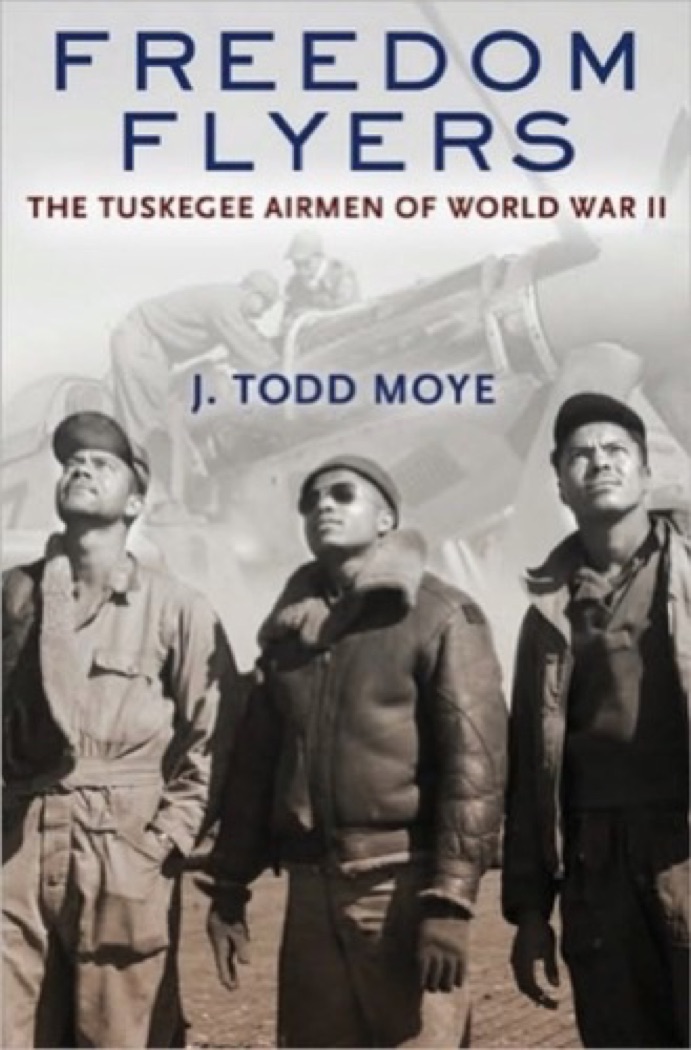
Freedom Flyers: The Tuskegee Airmen of World War II
Applying the lessons from "Freedom Flyers: The Tuskegee Airmen of World War II" by J. Todd Moye to your life can be a transformative exercise in resilience, precision, and strategic leadership. Here are some ways you might integrate these lessons:
- Adopt a Standard of Undeniable Excellence: - In medicine, aviation, or high-stakes entrepreneurship, you will inevitably encounter skeptics who doubt your vision. Like the Tuskegee Airmen, you must establish a personal and professional standard so high that your results become the ultimate argument against your detractors, making excellence your primary defense.
- Navigate Systemic Obstacles with Tactical Patience: - When you face bureaucratic or legal hurdles in venture capital or healthcare, you should apply the disciplined approach of the airmen. Use the existing rules of the system to strategically challenge and eventually evolve that system, ensuring your integrity remains intact while you push for structural progress.
- Recognize the Value of the Ground Crew: - Your success as a leader or physician is inextricably linked to the quality of your support network. You should invest in and empower every member of your team—from the administrators to the technicians—acknowledging that a mission’s success depends on the collective competence of the entire organization.
- Embrace the Pioneer’s Friction: - Being a first-mover in fields like telehealth or tribal health often means facing the most resistance. You should view this friction not as a sign of failure, but as a refining process that proves your model’s viability and clears the path for the future generations of innovators who will follow your lead.
- Maintain Principles Under Pressure: - The Freeman Field Mutiny serves as a reminder that leadership requires standing up for ethical standards, even when it is inconvenient. You must be willing to engage in principled dissent when you encounter unjust practices in business or law, using logic and discipline rather than emotional reactivity to effect change.
- Leverage the Power of the "Double V" Mentality: - You can apply the concept of dual victory to your own growth by simultaneously pursuing professional mastery and personal character development. Success is most meaningful when your external achievements in the marketplace are matched by your internal commitment to humility and service.
By integrating these lessons, you move beyond the role of a practitioner and become a vanguard of systemic change. The legacy of the Freedom Flyers serves as a blueprint for how to use skill, discipline, and unwavering courage to dismantle barriers and redefine the boundaries of what is possible in any field you choose to master.
What the book covers
"Freedom Flyers: The Tuskegee Airmen of World War II" by J. Todd Moye is an authoritative and evocative history of the first African American aviators to serve in the United States military. Utilizing a wealth of oral histories from the Tuskegee Airmen Oral History Project, Moye moves beyond the myths to present a grounded, humanized account of the men and women who broke the color barrier in the skies. The book examines the intersections of military necessity, racial politics, and individual grit during a pivotal era of American history, illustrating how these pioneers fought a "Double V" campaign: victory against fascism abroad and victory against racism at home.
Summary:
- The Political Genesis of the Tuskegee Experiment: - Moye details how the creation of the all-black flight training program was not a voluntary military initiative but the result of intense political pressure from the NAACP and the black press. The War Department and the Army Air Corps initially operated under the biased assumption that African Americans lacked the technical aptitude for flight, a prejudice that the Tuskegee Airmen were specifically recruited to disprove.
- Rigorous Training and Higher Standards: - The narrative follows the cadets through the grueling training phases at Moton Field and the Tuskegee Institute. Moye emphasizes that because the program was a high-profile "experiment," the standards for black pilots were often significantly higher than those for their white counterparts, creating an elite cohort of aviators who were over-prepared for the rigors of combat.
- The Essential Role of Support Personnel: - A primary strength of Moye’s research is his inclusion of the "ground crew"—the thousands of mechanics, nurses, navigators, and administrators who made the mission possible. He argues that the success of the 99th Pursuit Squadron and the 332nd Fighter Group was a collective victory of a fully functioning black military community that operated efficiently despite systemic neglect.
- Combat Performance and the Red Tail Reputation: - The book chronicles the deployment of the airmen to the Mediterranean theater, where they earned the nickname "Red Tails" for their distinctive aircraft markings. Moye provides a balanced view of their combat record, highlighting their discipline as bomber escorts and their ability to excel under the command of leaders like Benjamin O. Davis Jr.
- The Freeman Field Mutiny and Domestic Resistance: - While the airmen were fighting for democracy in Europe, they faced dehumanizing segregation on American soil. Moye highlights the 1945 Freeman Field Mutiny, where black officers used nonviolent civil disobedience to protest segregated officers' clubs, showcasing their sophisticated understanding of legal and civil rights.
- Catalyzing the Integration of the Armed Forces: - The conclusion of the book traces the long-term impact of the Tuskegee legacy on American policy. The undeniable excellence and professionalism of the Freedom Flyers provided the primary evidence used by advocates to convince President Harry S. Truman to sign Executive Order 9981, which formally abolished racial discrimination in the U.S. Armed Forces.
"Freedom Flyers" is a vital contribution to military history that successfully recovers the individual voices of those who redefined American citizenship from the cockpit of a fighter plane. By grounding the narrative in oral testimony, J. Todd Moye ensures that the legacy of the Tuskegee Airmen is understood not just as a series of combat statistics, but as a profound movement for human dignity and institutional change.