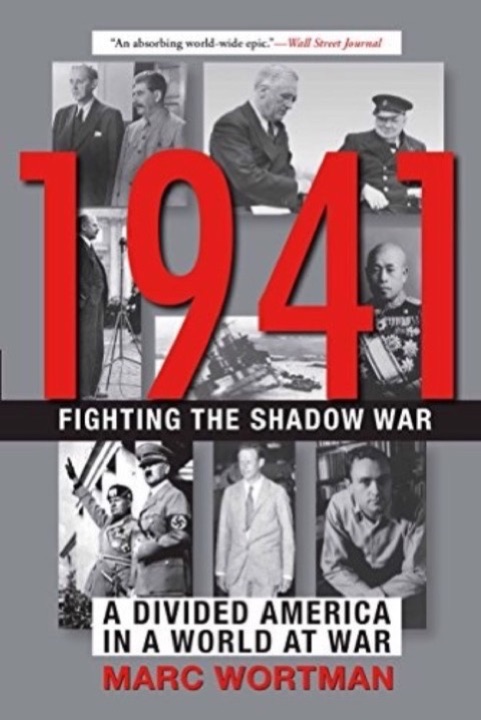
1941 Fighting the Shadow War
Applying the lessons from "1941: Fighting the Shadow War" by Marc Wortman to your life involves drawing parallels between the strategic foresight and leadership demonstrated by President Franklin D. Roosevelt and your own personal and professional journey. Here are some ways you might integrate these lessons:
-
Strategic Foresight and Vision: - Just as Roosevelt anticipated the long-term implications of global events, you can apply strategic foresight in your personal and professional life. Consider how your actions today might impact your future goals, whether it's in your career, family, or personal growth.
-
Balancing Public Sentiment and Personal Convictions: - Roosevelt had to balance public opinion with his convictions about supporting the Allies. Similarly, you can navigate situations where your beliefs might differ from those around you. Stay true to your core values of kindness and empathy while understanding and respecting differing perspectives.
-
Covert Operations and Diplomacy: - The book highlights the importance of subtlety and diplomacy. In your interactions, whether in personal relationships or professional settings, consider the power of diplomacy and tact. Sometimes, indirect approaches can be more effective in achieving your goals.
-
Role of Intelligence and Information: - Just as intelligence was crucial in shaping U.S. policy, gathering information and being well-informed can help you make better decisions. Continue to be a lifelong learner, seeking knowledge and insights that can guide your actions.
-
Media Influence and Communication: - Roosevelt used media to shift public opinion. You can apply this by being mindful of how you communicate your ideas and values. Use your direct and humorous communication style to positively influence those around you.
-
Preparedness and Resilience: - The book emphasizes military preparedness. In your life, this translates to being prepared for challenges and setbacks. Your resilience and persistence are strengths that can help you navigate difficult situations.
-
Leadership and Influence: - Roosevelt's leadership was pivotal during a critical time. Reflect on how you can be a leader in your own circles, whether it's in your family, workplace, or community. Lead by example, embodying the values you hold dear.
-
Navigating Controversial Issues: - The book shows how Roosevelt dealt with controversial issues. You can apply this by framing questions, seeking input, and finding consensus when dealing with contentious topics, especially those related to social issues you're passionate about.
By integrating these lessons into your life, you can enhance your ability to navigate complex situations, make informed decisions, and lead with empathy and vision.
What the book covers
"1941: Fighting the Shadow War" by Marc Wortman is a historical narrative that delves into the complex and often covert activities of the United States in the lead-up to its official entry into World War II. The book explores the period before the attack on Pearl Harbor, highlighting the clandestine efforts by President Franklin D. Roosevelt and his administration to support the Allies and prepare the nation for the possibility of war, despite widespread isolationist sentiment in the country.
Summary:
-
Context and Background: - The book sets the stage by describing the global situation in the late 1930s and early 1940s, with Nazi Germany's aggressive expansion in Europe and Japan's militaristic moves in Asia. - It highlights the strong isolationist sentiment in the United States, where many Americans were opposed to getting involved in another European conflict following the devastation of World War I.
-
Roosevelt's Dilemma: - President Franklin D. Roosevelt faced the challenge of aiding the Allies, particularly Britain, without provoking a backlash from isolationists or violating the Neutrality Acts. - Roosevelt believed that supporting the Allies was crucial for the security of the United States and the preservation of democracy worldwide.
-
Covert Operations and Diplomacy: - Wortman details various covert operations and diplomatic maneuvers undertaken by the Roosevelt administration to support the Allies. - This included the Lend-Lease Act, which allowed the U.S. to supply military aid to foreign nations, and secret meetings with British Prime Minister Winston Churchill.
-
Intelligence and Espionage: - The book explores the role of intelligence and espionage in shaping U.S. policy and actions during this period. - It discusses the establishment of the Office of Strategic Services (OSS), the precursor to the CIA, and the efforts to gather intelligence on Axis powers.
-
Public Opinion and Media: - Wortman examines how Roosevelt and his administration worked to shift public opinion towards supporting intervention, using media and propaganda. - The book highlights key figures in the media who played roles in swaying public sentiment.
-
Military Preparations: - The narrative covers the military preparations undertaken by the U.S., including the expansion and modernization of the armed forces. - It also discusses the challenges faced in mobilizing a nation that was largely unprepared for war.
Key Takeaways and Lessons:
- Leadership and Vision:
- Roosevelt's leadership is portrayed as visionary, understanding the long-term implications of global events and the necessity of U.S. involvement.
-
The importance of strategic foresight and the ability to navigate political and public opinion challenges are emphasized.
-
Balancing Act:
- The book illustrates the delicate balance between adhering to public sentiment and taking necessary actions for national security.
-
It highlights the complexities leaders face when public opinion is at odds with strategic imperatives.
-
Role of Intelligence:
- The critical role of intelligence and covert operations in shaping policy and preparing for conflict is underscored.
-
The establishment of intelligence agencies and networks is shown as vital for national security.
-
Media Influence:
- The influence of media and propaganda in shaping public opinion and policy is a key theme.
-
The book demonstrates how media can be used effectively to garner support for government initiatives.
-
Preparedness:
- The narrative stresses the importance of military preparedness and the challenges of mobilizing a nation for war.
- It serves as a reminder of the need for readiness in the face of potential threats.
Overall, "1941: Fighting the Shadow War" provides a detailed account of the behind-the-scenes efforts by the U.S. government to prepare for and influence the course of World War II before officially entering the conflict. It offers insights into leadership, strategy, and the interplay between public opinion and policy.