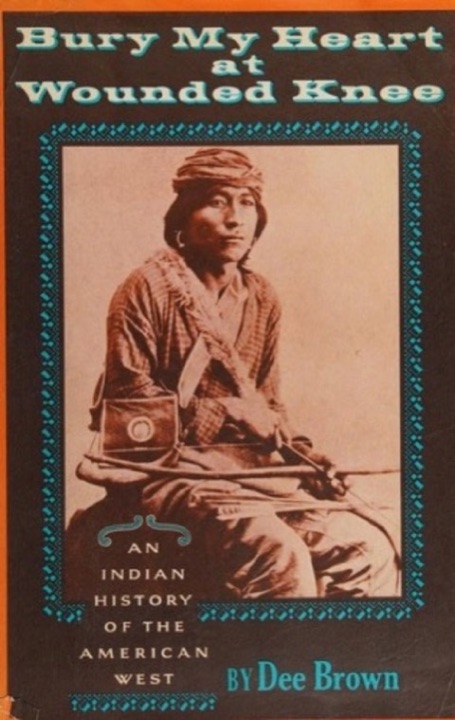
Bury my Heart at Wounded Knee
Applying the lessons from "Bury My Heart at Wounded Knee" to your life involves embracing empathy, understanding historical injustices, and fostering cultural resilience. Here’s how you might integrate these lessons into your personal journey:
-
Perspective and Empathy: - Continue to approach life with kindness and empathy, as you already do. Strive to understand the perspectives of those who have been marginalized or oppressed, much like the Native Americans in Dee Brown's narrative. This aligns with your core value of recognizing that everyone is fighting their own battles.
-
Historical Injustice: - Use your understanding of historical injustices to inform your activism and advocacy work. Your involvement in issues like domestic abuse and anti-human trafficking can be further enriched by acknowledging the systemic roots of these problems and working towards solutions that address these foundational issues.
-
Cultural Resilience: - Celebrate and support cultural resilience in your personal and professional life. Encourage the preservation and appreciation of diverse cultures, perhaps by engaging in activities or supporting initiatives that promote cultural understanding and preservation.
-
Honoring Agreements: - The importance of honoring treaties and agreements can translate into your personal and professional relationships. Ensure that your commitments are kept, and advocate for integrity and trustworthiness in all interactions.
-
Legacy and Reconciliation: - As you reflect on your legacy and the impact you wish to have, consider how you can contribute to reconciliation and healing in your community. This might involve fostering dialogue and understanding between different cultural or social groups, aligning with your passion for equality and acceptance.
-
Living in the Moment: - The book’s themes can inspire you to live more fully in the moment, appreciating the present and the people around you. This aligns with your aspiration to live in the moment and can enhance your relationships and personal fulfillment.
By integrating these lessons, you can continue to live a life guided by empathy, resilience, and a commitment to justice, while also working towards your personal goals and aspirations.
What the book covers
"Bury My Heart at Wounded Knee" by Dee Brown is a historical account that chronicles the systemic displacement and decimation of Native American tribes in the United States during the latter half of the 19th century. The book, published in 1970, is notable for its perspective, as it tells the story from the viewpoint of the Native Americans, offering a stark contrast to the traditional narratives that often glorify westward expansion.
Summary:
-
Introduction: - The book begins with the arrival of Columbus and the initial interactions between Native Americans and Europeans, setting the stage for the subsequent centuries of conflict and displacement.
-
Thematic Structure: - Each chapter focuses on a different tribe or event, detailing the specific treaties, battles, and betrayals that led to the loss of land and life for Native Americans. Key tribes covered include the Navajo, Apache, Cheyenne, Sioux, and Nez Perce, among others.
-
Key Events and Figures: - The book covers significant events such as the Sand Creek Massacre, the Battle of Little Bighorn, and the massacre at Wounded Knee. It also highlights figures like Sitting Bull, Crazy Horse, and Red Cloud, who played pivotal roles in resisting U.S. military forces and policies.
-
Government Policies and Treaties: - Brown details the numerous treaties made and broken by the U.S. government, illustrating a pattern of deceit and exploitation. The book emphasizes the impact of policies like the Indian Removal Act and the establishment of reservations.
-
Cultural Impact: - The narrative delves into the cultural destruction faced by Native Americans, including the loss of traditional lands, the imposition of foreign laws, and the suppression of indigenous languages and customs.
-
Wounded Knee: - The book culminates with the massacre at Wounded Knee in 1890, symbolizing the end of Native American resistance and the tragic culmination of decades of conflict.
Key Takeaways and Lessons:
-
Perspective and Empathy: - Brown’s work encourages readers to view history from the perspective of the oppressed, fostering empathy and understanding for the Native American experience.
-
Historical Injustice: - The book highlights the systemic injustices faced by Native Americans, urging a re-examination of historical narratives and the recognition of past wrongs.
-
Cultural Resilience: - Despite the overwhelming challenges, the resilience and enduring spirit of Native American cultures are evident throughout the book, offering lessons in perseverance and cultural preservation.
-
The Consequences of Expansion: - The narrative serves as a cautionary tale about the consequences of unchecked expansion and the moral implications of manifest destiny.
-
Importance of Honoring Treaties: - The repeated breaking of treaties underscores the importance of honoring agreements and the devastating impact of betrayal on trust and peace.
-
Legacy and Reconciliation: - The book calls for acknowledgment of historical injustices as a step towards reconciliation and healing, emphasizing the need for continued dialogue and understanding between cultures.
Overall, "Bury My Heart at Wounded Knee" is a powerful and poignant account that challenges readers to confront the darker aspects of American history and to reflect on the enduring impact of these events on Native American communities today.