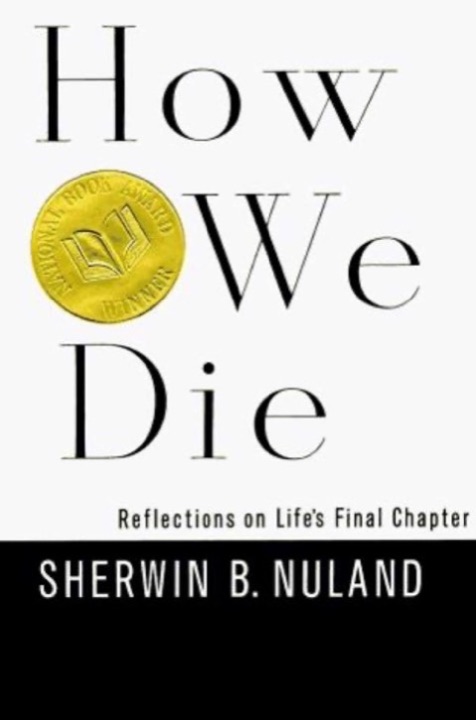
How we Die
Applying the lessons from "How We Die" by Sherwin B. Nuland to your life can be a meaningful way to deepen your understanding of mortality and enhance your approach to living. Here are some ways you might integrate these insights:
-
Acceptance of Mortality: - Reflect on your near-death experiences and use them as reminders of life's fragility. Embrace the inevitability of death as a natural part of life, which can help you live more fully and with intention.
-
Open Communication: - Foster open discussions about death and dying with your family and friends. Given your belief in reincarnation and spirituality, sharing these views can provide comfort and clarity to those around you.
-
Quality of Life: - Continue prioritizing experiences and relationships that bring joy and fulfillment. Your hobbies and pastimes, such as flying, reading, and spending time with your grandchild, are excellent ways to focus on quality over quantity.
-
Empathy and Compassion: - Your core values of kindness and empathy align well with Nuland's emphasis on compassionate caregiving. Continue to approach others with understanding, recognizing that everyone faces their own battles.
-
Personal Reflection: - Use your belief in reincarnation as a framework for personal growth and reflection. Consider each life experience as an opportunity to gain knowledge and insight, contributing to your spiritual journey.
-
Caregiving and Support: - As someone who values loyalty and friendship, ensure you are present for loved ones during difficult times. Your experiences in the emergency department and as a caregiver can guide you in providing support and comfort.
-
Facing Regrets: - Address any lingering regrets, such as not seeing your father before he passed, by ensuring you prioritize time with loved ones and maintain open lines of communication.
-
Living in the Moment: - Work towards your aspiration of living in the moment by practicing mindfulness and gratitude. This can help you appreciate the present and reduce anxiety about the future.
-
Legacy and Remembrance: - Consider how you want to be remembered and take steps to live in alignment with those values. Your desire to be remembered as someone who lived fully and was kind to everyone can guide your daily actions.
-
Continual Learning:
- Embrace your mindset of being in a constant state of beta. Continue to seek knowledge and experiences that contribute to your personal and spiritual growth.
By integrating these lessons into your life, you can approach both living and dying with greater understanding, acceptance, and grace, ultimately enriching your journey and the lives of those around you.
What the book covers
"How We Die: Reflections on Life's Final Chapter" by Sherwin B. Nuland is a profound exploration of the processes and experiences surrounding death. Nuland, a surgeon and medical historian, delves into the biological, medical, and emotional aspects of dying, aiming to demystify the process and provide a clearer understanding of what happens as life comes to an end.
Summary:
-
Introduction to Death: Nuland begins by addressing the inevitability of death and the importance of understanding it. He argues that by confronting the realities of dying, individuals can better prepare themselves and their loved ones for the end of life.
-
The Biological Process: The book details the biological mechanisms of dying, focusing on common causes such as heart disease, cancer, Alzheimer's, and stroke. Nuland explains how these diseases affect the body and lead to death, providing a clinical yet accessible account of the physical decline.
-
The Experience of Dying: Nuland shares stories of patients he has treated, illustrating the varied experiences of dying individuals. These narratives highlight the emotional and psychological aspects of death, emphasizing the personal and subjective nature of the dying process.
-
Medical Interventions: The book critically examines the role of modern medicine in the dying process. Nuland discusses the benefits and limitations of medical interventions, questioning the ethics and effectiveness of prolonging life at the expense of quality.
-
Cultural and Historical Perspectives: Nuland provides a historical overview of how different cultures and societies have approached death. He explores the evolution of attitudes toward dying, from ancient rituals to contemporary practices, and how these have shaped modern perceptions.
-
The Role of the Caregiver: The book emphasizes the importance of caregivers in the dying process. Nuland discusses the emotional and practical challenges faced by those who care for the dying, offering insights into how they can provide support and comfort.
-
Facing Mortality: Nuland encourages readers to confront their own mortality and the mortality of loved ones. He advocates for open discussions about death and dying, suggesting that acceptance and understanding can lead to a more peaceful end-of-life experience.
Key Takeaways and Lessons:
-
Acceptance of Death: Understanding and accepting the inevitability of death can reduce fear and anxiety, allowing individuals to live more fully and prepare for the end of life with dignity.
-
The Importance of Communication: Open and honest communication about death and dying is crucial for both the dying and their loved ones. It can facilitate better decision-making and emotional closure.
-
Quality Over Quantity: Nuland emphasizes the importance of prioritizing the quality of life over merely extending it. Medical interventions should be carefully considered in the context of the patient's overall well-being and desires.
-
Empathy and Compassion: Caregivers and medical professionals should approach the dying process with empathy and compassion, recognizing the unique needs and experiences of each individual.
-
Personal Reflection: The book encourages readers to reflect on their own beliefs and attitudes toward death, fostering a deeper understanding of what it means to live and die well.
Overall, "How We Die" is a thought-provoking and insightful examination of death, offering valuable perspectives on how individuals can approach the end of life with understanding and grace.