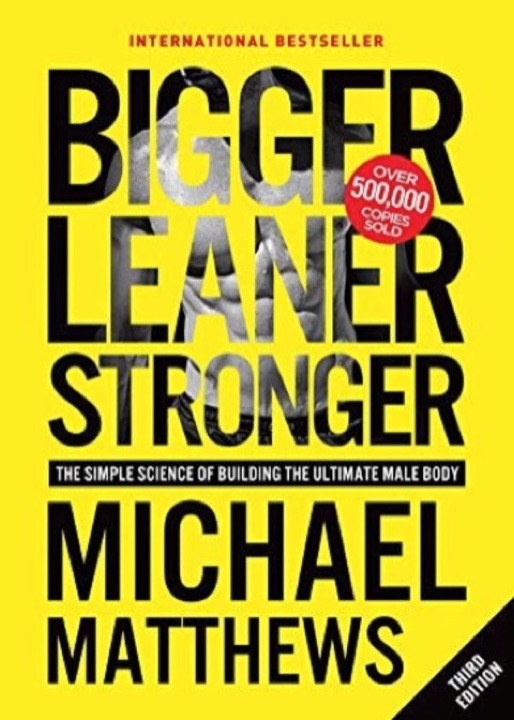
Bigger, Leaner, Stronger: The Simple Science of Building the Ultimate Male Body
Given your detailed personal background and interests, here are some ways you might apply the lessons from "Bigger, Leaner, Stronger" to your life:
-
Science-Based Approach: - You already value evidence-based practices, as seen in your medical career and personal philosophy. Apply this to your fitness routine by focusing on scientifically-backed methods for muscle building and fat loss. This aligns with your analytical mindset and desire for continuous learning.
-
Progressive Overload: - Incorporate the principle of progressive overload into your workouts. Since you already have a structured exercise routine, gradually increase the weights you lift to continue making gains. This will complement your resilience and persistence.
-
Balanced Nutrition: - Use the book's guidance on macronutrients to refine your diet. Given your interest in cooking, you can experiment with recipes that meet your nutritional goals while enjoying a variety of foods. This aligns with your appreciation for balance and enjoyment in life.
-
Consistency is Key: - Your daily routine already reflects consistency, but you can further emphasize this by setting specific fitness goals and tracking your progress. This will help you stay motivated and focused, much like your approach to personal growth and development.
-
Rest and Recovery: - Ensure that you prioritize rest and recovery as part of your fitness regimen. Given your busy schedule, make sure to allocate time for adequate sleep and rest days to support muscle repair and growth. This aligns with your understanding of the importance of balance.
-
Mindset and Motivation: - Leverage your optimistic and resilient mindset to stay motivated in your fitness journey. Set realistic goals and celebrate small victories, much like you do in other areas of your life. This will help you maintain a positive outlook and continue progressing.
-
Supplements: - Consider incorporating beneficial supplements like protein powder and creatine into your diet, as recommended by the book. This can support your fitness goals and complement your existing nutrition plan.
-
Cardio and Rest: - Balance your strength training with appropriate cardiovascular exercise to maintain heart health and aid fat loss. Given your active lifestyle, find cardio activities that you enjoy and that fit into your routine.
By integrating these lessons into your life, you can enhance your fitness journey while staying true to your values and interests. Your commitment to personal growth, resilience, and balance will serve you well as you work towards becoming bigger, leaner, and stronger.
What the book covers
"Bigger, Leaner, Stronger: The Simple Science of Building the Ultimate Male Body" by Michael Matthews is a comprehensive guide aimed at helping men achieve their fitness goals through scientifically-backed methods. The book is structured to provide readers with a clear understanding of how to build muscle, lose fat, and improve overall health and fitness.
Summary:
-
Introduction to Fitness Myths: - Matthews begins by debunking common fitness myths and misconceptions that often mislead individuals. He emphasizes the importance of evidence-based practices over popular but ineffective trends.
-
The Core Principles: - The book outlines the core principles of muscle building and fat loss, focusing on the importance of progressive overload, proper nutrition, and consistency. Matthews stresses that achieving a bigger, leaner, and stronger body requires a balance of these elements.
-
Nutrition: - Matthews provides a detailed breakdown of macronutrients (proteins, carbohydrates, and fats) and their roles in muscle growth and fat loss. He introduces the concept of flexible dieting, allowing individuals to enjoy a variety of foods while still meeting their nutritional goals. - The book includes guidance on calculating daily caloric needs and macronutrient ratios tailored to individual goals, whether it be bulking, cutting, or maintaining weight.
-
Training Program: - The author presents a structured workout program designed to maximize muscle growth and strength. The program is based on compound exercises, which target multiple muscle groups and are more effective for building strength. - Matthews emphasizes the importance of progressive overload, encouraging readers to gradually increase the weight they lift to continue making gains.
-
Cardio and Rest: - While strength training is the focus, Matthews also discusses the role of cardiovascular exercise in maintaining heart health and aiding fat loss. He advises on the appropriate amount and type of cardio to complement strength training. - Rest and recovery are highlighted as crucial components of any fitness regimen. Matthews explains how adequate sleep and rest days contribute to muscle repair and growth.
-
Supplements: - The book provides an overview of supplements, distinguishing between those that are beneficial and those that are unnecessary or ineffective. Matthews recommends a few key supplements, such as protein powder and creatine, that can support fitness goals.
-
Mindset and Motivation: - Matthews addresses the psychological aspects of fitness, including setting realistic goals, staying motivated, and overcoming setbacks. He encourages readers to adopt a long-term perspective and to celebrate small victories along the way.
Key Takeaways and Lessons:
- Science-Based Approach: Rely on scientifically proven methods rather than fads or quick fixes.
- Progressive Overload: Continuously challenge your muscles by gradually increasing the weight you lift.
- Balanced Nutrition: Understand and manage your macronutrient intake to support your fitness goals.
- Consistency is Key: Regular and consistent effort in both training and nutrition is essential for success.
- Rest and Recovery: Prioritize rest and recovery to allow your body to repair and grow stronger.
- Mindset Matters: Cultivate a positive mindset and remain patient and persistent in your fitness journey.
Overall, "Bigger, Leaner, Stronger" serves as a practical and accessible guide for men looking to transform their bodies through disciplined training, smart nutrition, and a healthy lifestyle.