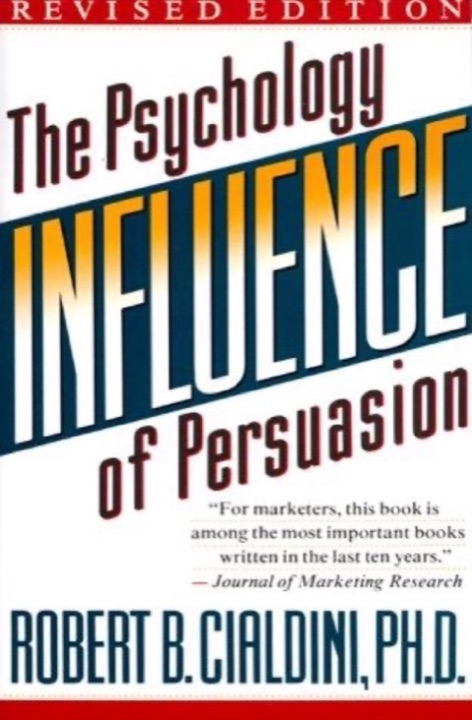
Influence: The Psychology of Persuasion
Applying the lessons from "Influence: The Psychology of Persuasion" by Robert B. Cialdini to your life can enhance your communication skills, improve your relationships, and help you achieve your personal and professional goals. Here’s how you might integrate each of the six key principles into your life:
-
Reciprocity: Use this principle to strengthen your relationships by being generous with your time, knowledge, and resources. For example, you could offer help or small favors to friends, family, or colleagues, knowing that this can foster goodwill and lead to mutual support in the future.
-
Commitment and Consistency: Leverage this principle by setting small, achievable goals that align with your values and aspirations. For instance, if you want to live more in the moment, start by committing to a daily mindfulness practice. As you consistently follow through, you’ll find it easier to maintain larger commitments.
-
Social Proof: Use social proof to influence positive behavior in your social circles. Share your experiences and successes, such as your advocacy work or personal achievements, to inspire others. Additionally, seek out communities or groups that embody the values you cherish, like equality and kindness, to reinforce your beliefs and actions.
-
Authority: Establish yourself as an authority in areas where you have expertise, such as medicine or aviation. Share your knowledge through writing, speaking, or mentoring, which can enhance your credibility and influence. Also, recognize and respect the authority of others in areas where you seek growth, like learning to play the guitar.
-
Liking: Cultivate relationships by focusing on common interests and shared values. Your communication style, which is direct, warm, and humorous, naturally makes you likable. Use this to your advantage in both personal and professional settings to build rapport and trust.
-
Scarcity: Highlight the unique and limited opportunities in your life to motivate action. For example, emphasize the rarity of certain experiences, like your near-death plane crash incidents, to remind yourself and others of the preciousness of life and the importance of seizing the moment.
Additional Applications:
-
Awareness and Defense: By understanding these principles, you can become more aware of when others might be trying to influence you, allowing you to make more informed decisions and resist unwanted persuasion.
-
Ethical Use: Apply these principles ethically, ensuring that your influence is used to uplift and support others rather than manipulate or deceive.
-
Personal Growth: Use the insights from the book to reflect on your own decision-making processes and identify areas for personal growth, such as balancing your strengths and weaknesses.
By integrating these principles into your life, you can enhance your interactions, achieve your goals, and continue to live in alignment with your core values of kindness and empathy.
What the book covers
"Influence: The Psychology of Persuasion" by Robert B. Cialdini is a seminal work in understanding the mechanisms of persuasion and how they can be applied in various contexts. Cialdini, a psychologist, explores the psychology behind why people say "yes" and how to apply these understandings ethically in everyday life. The book is structured around six key principles of influence, each supported by research and real-world examples.
Key Principles of Influence:
-
Reciprocity: This principle is based on the social norm that suggests people feel obligated to return favors or concessions. Cialdini illustrates how this principle is used in marketing and negotiations, where small gifts or concessions can lead to larger returns.
-
Commitment and Consistency: Once people commit to something, they are more likely to follow through with it to remain consistent with their self-image. This principle is often used in sales and marketing, where getting a small initial commitment can lead to larger commitments later.
-
Social Proof: People tend to look to others to determine their own actions, especially in situations of uncertainty. This principle is evident in the use of testimonials, reviews, and popularity indicators to influence behavior.
-
Authority: People are more likely to be influenced by individuals who are perceived as authorities or experts. Cialdini discusses how titles, uniforms, and other symbols of authority can significantly impact compliance.
-
Liking: People are more easily persuaded by individuals they like. Factors that increase liking include physical attractiveness, similarity, compliments, and cooperative efforts. This principle is often used in sales and networking.
-
Scarcity: The perception of scarcity increases the value of an item or opportunity. This principle is frequently used in marketing strategies that emphasize limited-time offers or exclusive deals.
Key Takeaways and Lessons:
-
Awareness and Defense: Understanding these principles can help individuals recognize when they are being influenced and develop strategies to resist unwanted persuasion.
-
Ethical Use: Cialdini emphasizes the ethical application of these principles. While they can be powerful tools for influence, they should be used responsibly and not to manipulate or deceive.
-
Application in Various Fields: The principles of influence are applicable in numerous fields, including marketing, sales, negotiation, leadership, and personal relationships. Recognizing and applying these principles can enhance effectiveness in these areas.
-
Behavioral Insights: The book provides valuable insights into human behavior and decision-making processes, highlighting the often subconscious nature of influence.
-
Practical Examples: Cialdini uses a wide range of examples and anecdotes to illustrate each principle, making the concepts accessible and relatable.
Overall, "Influence: The Psychology of Persuasion" offers a comprehensive exploration of the factors that drive human compliance and decision-making. By understanding these principles, individuals can become more effective communicators and more discerning consumers of information.