Jesuit Higher Education: Experience to Economy
Applying the lessons from "Jesuit Higher Education: Experience to Economy" by Daniel Hendrickson to your life can be a transformative exercise in aligning your diverse professional roles—from the emergency room and the courtroom to the cockpit and the boardroom—with a unified sense of purpose and stewardship. Here are some ways you might integrate these lessons:
-
Implement the Ignatian Cycle in Leadership: - You should view every business venture and clinical encounter through the lens of context, experience, reflection, action, and evaluation. Before making a pivot in your VC firm or a critical decision in a healthcare startup, pause to reflect on the experience and the broader context to ensure your "action" is not just reactive, but deeply considered and purposeful.
-
Reclaim the "Economy" of Your Talents: - Instead of viewing your diverse degrees and businesses as disparate achievements, see them as part of your personal oikonomia. Manage your intellectual and financial capital as a steward would, asking how each of your ventures—whether in telehealth or tribal health—contributes to a more efficient and compassionate "household" of global healthcare.
-
Practice Cura Personalis in Medicine and Law: - In your work as a physician and attorney, you can elevate your practice by moving beyond the case or the diagnosis to treat the whole person. This means acknowledging the human dignity of every patient and client, a practice that builds the trust necessary for true healing and effective advocacy.
-
Utilize Discerning Situational Awareness: - Just as you use situational awareness in the cockpit to ensure safety, use the Ignatian practice of discernment to navigate the complexities of entrepreneurship. This involves more than just checking instruments; it requires a quiet, humble listening to the "signals" within your team and the market to determine the right path forward.
-
Balance Ambition with Intellectual Humility: - You can live out the mantra of "Stay Hungry, Stay Humble" by constantly seeking new "experiences" (learning) while maintaining the humility to let those experiences be refined by reflection. Use your MBA and legal training not just to gain an edge, but to better understand the structures of power and how you can manage them for the benefit of others.
-
Foster an Economy of Service: - Look for ways to turn your professional success into a platform for social change. By integrating your various skill sets, you can develop innovative solutions to systemic healthcare disparities, ensuring that your professional "economy" serves the marginalized as much as it does the market.
By integrating these lessons, you will find that the disparate threads of your career—the high-stakes environments of medicine, the analytical rigors of law, and the visionary demands of venture capital—weave together into a coherent life of intentional stewardship, ensuring that your hunger for growth is always balanced by a humble commitment to the greater good.
What the book covers
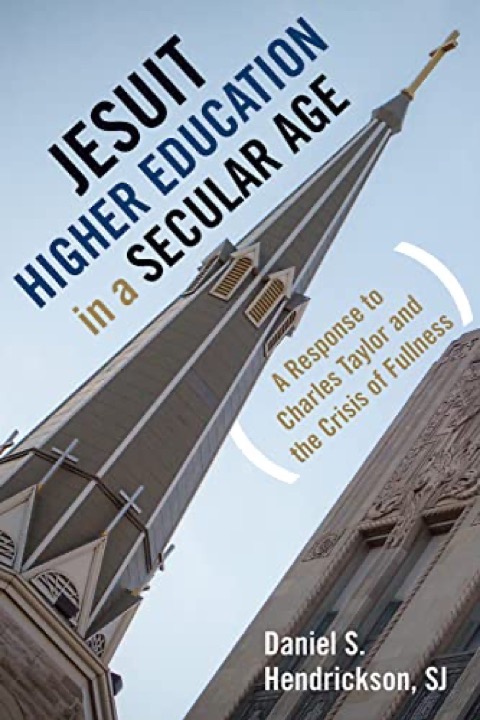
"Jesuit Higher Education: Experience to Economy" by Daniel Hendrickson is a sophisticated exploration of the Ignatian pedagogical paradigm and its application within the modern university landscape. Hendrickson, drawing on his deep roots in the Society of Jesus and his leadership at Creighton University, argues that the value of a Jesuit education lies in the movement from raw experience to a purposeful "economy"—a term he uses in the classical sense of stewardship and the management of one’s life and resources for the common good. The book provides a philosophical framework for how institutions can remain true to 16th-century spiritual roots while addressing 21st-century complexities.
Summary:
-
The Foundations of Ignatian Pedagogy: - Hendrickson details the historical development of the Jesuit educational model, rooted in the Spiritual Exercises of St. Ignatius of Loyola. He explains how the cycle of context, experience, reflection, action, and evaluation forms a cohesive methodology designed to develop the whole person, rather than just delivering technical knowledge. - This section emphasizes that the "experience" phase is not passive; it requires an active engagement with the world, encouraging students and leaders to immerse themselves in reality before attempting to interpret or change it.
-
The Transition from Experience to Reflection: - The book argues that experience alone is insufficient for growth; it must be transformed through rigorous reflection. Hendrickson posits that in an era of rapid-fire information, the Jesuit commitment to "discernment" serves as a necessary anchor that allows individuals to find meaning in their daily activities. - He describes reflection as the bridge that connects what we see and do with who we are, ensuring that education (and by extension, professional life) becomes a formative process that shapes character and conscience.
-
Defining the "Economy" of Life: - A central thesis of the work is the reclamation of the word "economy" from its narrow modern financial definition. Hendrickson traces the word back to the Greek oikonomia, meaning the management of a household or the stewardship of resources. - In this context, the "economy" of Jesuit education is the practical application of wisdom to the world—how a person manages their talents, time, and influence to create value and serve others effectively and ethically.
-
Cura Personalis in Professional Practice: - Hendrickson examines the concept of cura personalis, or care for the whole person, and how it must be integrated into higher education and subsequent professional careers. He argues that this individualized care is the hallmark of the Jesuit tradition, fostering a community where each member is seen and valued. - This approach is presented as a counterweight to the depersonalization often found in large institutions, suggesting that true leadership requires a deep commitment to the well-being of the individuals within one’s charge.
-
The Tension Between Tradition and Innovation: - The book addresses the challenge of maintaining a centuries-old identity while innovating in a competitive global market. Hendrickson argues that Jesuit institutions must be agile and "hungry" for improvement without losing their "humble" commitment to their core mission. - He provides examples of how interdisciplinary collaboration and technological integration can be used to enhance the Ignatian mission rather than detract from it, viewing innovation as a form of stewardship.
-
Global Citizenship and Solidarity: - Hendrickson concludes by looking outward, discussing the role of Jesuit education in forming "men and women for and with others." He emphasizes the importance of global solidarity and the responsibility of the educated elite to use their "economy" to address social inequities. - The focus is on creating leaders who are not only competent in their fields but are also driven by a sense of justice and a desire to contribute to the global good, moving beyond self-interest to a life of service.
This work is a vital reflection on the enduring relevance of Jesuit values in a secular, fast-paced world. By connecting the internal spiritual journey to the external management of one's life and work, Hendrickson provides a roadmap for leaders to align their professional success with a deeper sense of moral and social purpose.