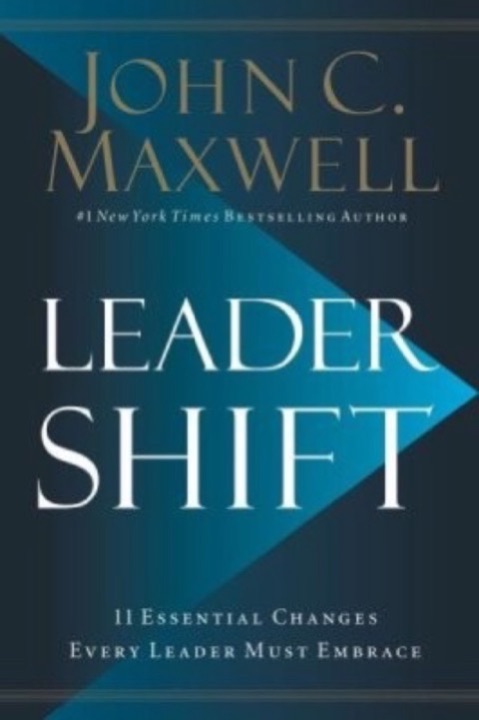
Leadershift: The 11 Essential Changes Every Leader Must Embrace
Applying the lessons from John C. Maxwell's "Leadershift" to your life can help you enhance your leadership skills and personal growth. Here’s how you might integrate these shifts into your life, considering your experiences, values, and aspirations:
-
The Focus Shift: Soloist to Conductor - Given your experiences in high-pressure situations, like plane crashes, you already understand the importance of teamwork. Apply this by further empowering those around you, whether in your professional or personal life, to take on leadership roles and contribute their strengths.
-
The Personal Development Shift: Goals to Growth - You have a strong foundation in lifelong learning and personal growth. Continue to prioritize growth over specific goals by exploring new interests, such as skydiving, and embracing new challenges that push you out of your comfort zone.
-
The Cost Shift: Perks to Price - Reflect on the sacrifices you've made for your family and career. Continue to invest in relationships and causes that align with your values, understanding that true leadership often requires personal sacrifices.
-
The Relational Shift: Pleasing People to Challenging People - Use your direct and humorous communication style to challenge those around you to grow. Encourage your children and colleagues to push their boundaries and reach their full potential.
-
The Abundance Shift: Maintaining to Creating - Leverage your optimism and forward-thinking mindset to create new opportunities, whether in your career, personal projects, or advocacy work. Focus on innovation and finding creative solutions to problems.
-
The Reproduction Shift: Ladder Climbing to Ladder Building - You've already achieved significant personal success. Focus on mentoring others, particularly your children and colleagues, to help them achieve their own success and build their own ladders.
-
The Communication Shift: Directing to Connecting - Deepen your connections with others by actively listening and engaging in meaningful conversations. Use your humor and warmth to build stronger relationships and foster a sense of community.
-
The Improvement Shift: Team Uniformity to Team Diversity - Embrace and celebrate diversity in all areas of your life. Encourage diverse perspectives in your professional and personal circles to foster creativity and innovation.
-
The Influence Shift: Positional Authority to Moral Authority - Continue to lead by example, using your authenticity and moral authority to inspire others. Your commitment to kindness and empathy already sets a strong foundation for this shift.
-
The Impact Shift: Trained Leaders to Transformational Leaders
- Focus on developing transformational leadership qualities in yourself and others. Inspire those around you to drive change and make a positive impact in their communities.
-
The Passion Shift: Career to Calling
- Align your work and personal projects with your passions and purpose. Consider how you can integrate your love for flying, family, and advocacy work into a calling that brings fulfillment and meaning to your life.
By embracing these shifts, you can continue to grow as a leader and make a positive impact on those around you, while staying true to your core values and aspirations.
What the book covers
"Leadershift: The 11 Essential Changes Every Leader Must Embrace" by John C. Maxwell is a guide for leaders who want to stay relevant and effective in a rapidly changing world. Maxwell, a renowned leadership expert, outlines the critical shifts that leaders must make to adapt to new challenges and opportunities. Here’s a detailed summary of the book, along with key takeaways and lessons:
Summary:
-
The Focus Shift: Soloist to Conductor - Leaders must transition from doing everything themselves to orchestrating a team. This involves recognizing the strengths of team members and empowering them to contribute effectively.
-
The Personal Development Shift: Goals to Growth - Instead of just setting and achieving goals, leaders should focus on continuous personal and professional growth. This shift emphasizes the importance of lifelong learning and development.
-
The Cost Shift: Perks to Price - Leadership is not about the perks but about the price you are willing to pay. Leaders must be prepared to make sacrifices and invest in their people and vision.
-
The Relational Shift: Pleasing People to Challenging People - Effective leaders move from trying to please everyone to challenging their team to reach their full potential. This involves having difficult conversations and pushing people out of their comfort zones.
-
The Abundance Shift: Maintaining to Creating - Leaders should focus on creating new opportunities rather than just maintaining the status quo. This shift encourages innovation and forward-thinking.
-
The Reproduction Shift: Ladder Climbing to Ladder Building - Instead of climbing the corporate ladder, leaders should focus on building ladders for others. This involves mentoring and developing future leaders.
-
The Communication Shift: Directing to Connecting - Communication should be about connecting with people, not just directing them. Leaders must listen actively and engage with their team on a deeper level.
-
The Improvement Shift: Team Uniformity to Team Diversity - Embrace diversity within teams to foster creativity and innovation. Leaders should value different perspectives and create an inclusive environment.
-
The Influence Shift: Positional Authority to Moral Authority - Leadership should be based on moral authority rather than positional power. Leaders gain influence by being authentic and trustworthy.
-
The Impact Shift: Trained Leaders to Transformational Leaders
- Move from simply training leaders to developing transformational leaders who can inspire and drive change.
-
The Passion Shift: Career to Calling
- Leaders should align their work with their passion and purpose, transforming their career into a calling.
Key Takeaways and Lessons:
- Adaptability is Crucial: Leaders must be willing to change and adapt to remain effective in a dynamic environment.
- Empowerment Over Control: Successful leaders empower their teams rather than trying to control every aspect.
- Continuous Growth: Personal and professional growth should be a lifelong pursuit for leaders.
- Value Diversity: Diverse teams bring in varied perspectives, leading to better problem-solving and innovation.
- Authenticity Matters: Leaders gain true influence through authenticity and moral authority, not just their position.
- Purpose-Driven Leadership: Aligning leadership with personal passion and purpose leads to greater fulfillment and impact.
Maxwell’s "Leadershift" provides a roadmap for leaders who want to thrive in the 21st century by embracing change and fostering a culture of growth and innovation.