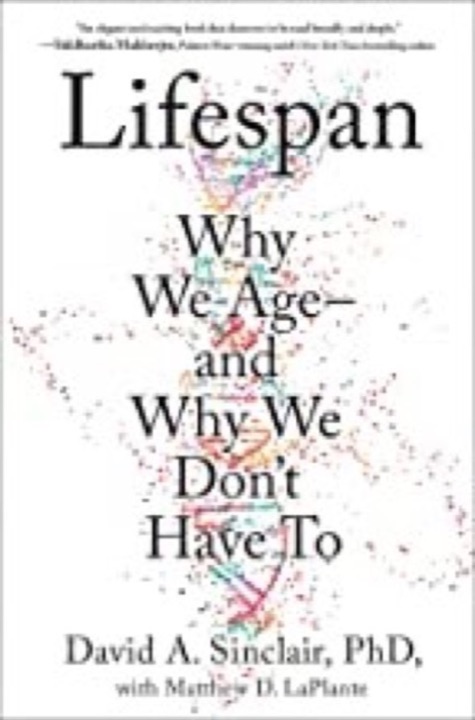
Lifespan: Why We Age—and Why We Don't Have To
Applying the lessons from "Lifespan: Why We Age—and Why We Don't Have To" by David A. Sinclair, PhD, with Matthew D. LaPlante to your life can be both practical and transformative, given your interests and values. Here are some ways you might integrate these insights:
-
View Aging as a Treatable Condition: Embrace the mindset that aging is not an inevitable decline but a condition that can be managed. This perspective aligns with your belief in living life to the fullest and could inspire you to explore new ways to maintain your health and vitality.
-
Focus on Epigenetic Health: Consider adopting lifestyle changes that support the preservation of epigenetic information. This might include practices like intermittent fasting, which you could integrate into your routine, given your interest in exercise and health.
-
Boost NAD+ Levels: Explore ways to maintain or increase your NAD+ levels, such as through dietary supplements like NMN. This could complement your existing health regimen and support your goal of living a long, healthy life.
-
Incorporate Sirtuin-Activating Activities: Engage in activities that activate sirtuins, such as regular exercise and calorie restriction. Given your active lifestyle, you might find joy in experimenting with different forms of exercise or dietary adjustments.
-
Leverage Biotechnology: Stay informed about advancements in genetic engineering and biotechnology. Your interest in CRISPR and its potential applications could lead you to explore how these technologies might benefit your health and longevity.
-
Embrace a Holistic Lifestyle: Continue to prioritize a balanced lifestyle that includes diet, exercise, stress management, and mental well-being. This holistic approach aligns with your values of kindness and empathy, as it emphasizes caring for yourself and others.
-
Consider Ethical Implications: Reflect on the ethical and societal implications of extending human lifespan. Your passion for social issues and equality can guide you in considering how these advancements might impact society and advocating for equitable access to longevity treatments.
-
Cultivate a Growth Mindset: Embrace the idea of being in a constant state of beta, as you already do, and apply it to your understanding of aging. Stay curious and open to new information and practices that could enhance your quality of life.
-
Plan for a Long, Healthy Life: Given your aspiration to live to 130, use the insights from the book to inform your long-term health strategies. This might include setting goals for maintaining physical and mental fitness as you age.
-
Share Knowledge and Inspire Others: Use your experiences and insights to inspire others to rethink their approach to aging. Your communication style and humor can make these complex topics accessible and engaging for those around you.
By integrating these lessons into your life, you can align your actions with your values and aspirations, potentially enhancing your healthspan and contributing to a broader understanding of aging as a manageable condition.
What the book covers
"Lifespan: Why We Age—and Why We Don't Have To" by David A. Sinclair, PhD, with Matthew D. LaPlante, explores the science of aging and presents a compelling argument that aging is a disease that can be treated and potentially reversed. Sinclair, a renowned geneticist and professor at Harvard Medical School, shares insights from his research on the molecular and genetic mechanisms of aging, proposing that we are on the brink of a revolution in how we understand and approach aging.
Summary:
Introduction:
The book begins by challenging the traditional view of aging as an inevitable part of life. Sinclair argues that aging is a disease and, like other diseases, it can be treated. He introduces the concept of the "Information Theory of Aging," which suggests that aging results from the loss of information in our cells, particularly the epigenetic information that regulates gene expression.
The Science of Aging:
Sinclair delves into the biological processes that contribute to aging, focusing on the role of sirtuins, a family of proteins that regulate cellular health and longevity. He explains how sirtuins are activated by certain environmental stresses, such as calorie restriction and exercise, which can promote longevity.
The Role of NAD+:
A significant portion of the book is dedicated to the molecule NAD+ (nicotinamide adenine dinucleotide), which is crucial for the function of sirtuins. Sinclair discusses how NAD+ levels decline with age and how boosting NAD+ can potentially reverse aspects of aging. He explores various ways to increase NAD+ levels, including supplements like NMN (nicotinamide mononucleotide).
Genetic and Environmental Factors:
Sinclair examines the interplay between genetics and lifestyle in determining lifespan. He highlights the importance of lifestyle choices, such as diet, exercise, and stress management, in influencing the aging process. He also discusses the potential of genetic engineering and biotechnology to extend human lifespan.
The Future of Aging:
The book explores the ethical and societal implications of extending human lifespan. Sinclair envisions a future where aging is no longer a limiting factor in human life, leading to profound changes in how we live, work, and interact with one another.
Key Takeaways and Lessons:
-
Aging as a Disease: Aging should be viewed as a treatable condition rather than an unavoidable fate. By understanding and targeting the biological mechanisms of aging, we can potentially extend healthy lifespan.
-
The Information Theory of Aging: Aging is primarily caused by the loss of epigenetic information, which can be restored or preserved through certain interventions.
-
Role of Sirtuins and NAD+: Sirtuins and NAD+ are central to the aging process. Maintaining or boosting NAD+ levels through lifestyle changes or supplements can promote longevity.
-
Lifestyle Matters: Diet, exercise, and stress management play crucial roles in influencing the aging process. Practices like intermittent fasting and regular physical activity can activate longevity pathways.
-
Potential of Biotechnology: Advances in genetic engineering and biotechnology hold promise for extending human lifespan and improving healthspan.
-
Ethical Considerations: Extending human lifespan raises ethical and societal questions that need to be addressed, including issues of resource allocation, population growth, and the meaning of life.
-
Hope for the Future: The book offers a hopeful vision of the future, where scientific advancements allow us to live longer, healthier lives, free from the limitations of aging.
In conclusion, "Lifespan" is a thought-provoking exploration of the science of aging, offering insights into how we might extend human lifespan and improve quality of life. Sinclair's work encourages readers to rethink their understanding of aging and consider the possibilities that lie ahead in the field of longevity research.