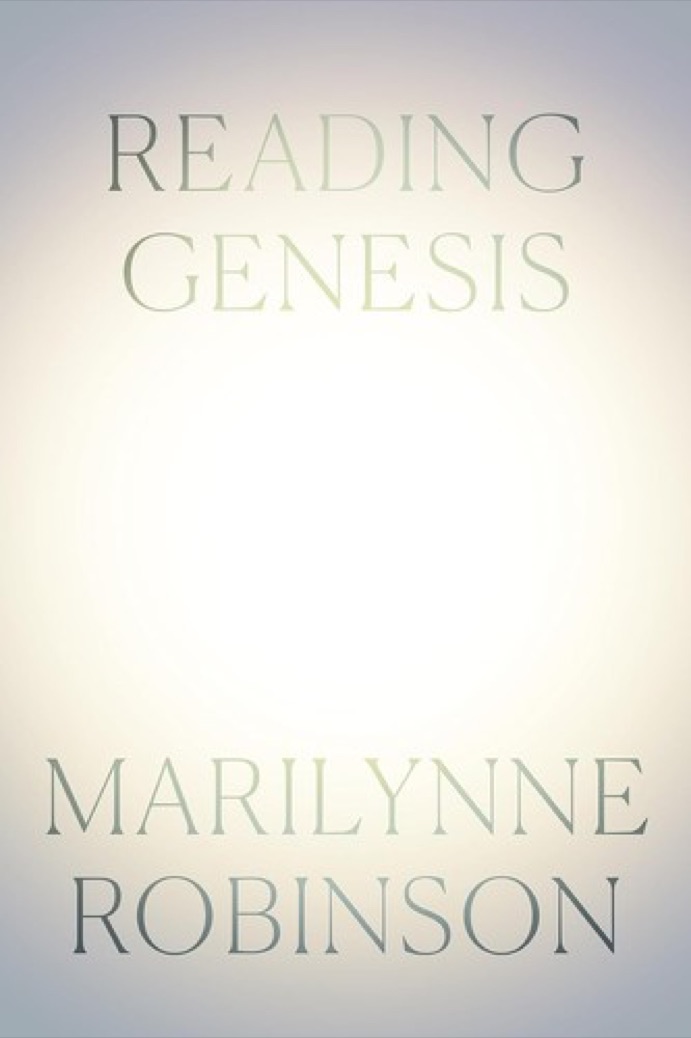
Reading Genesis
Applying the lessons from "Reading Genesis" by Marilynne Robinson to your life can be a transformative exercise in developing a deeper appreciation for the inherent value of others and the complex nature of human progress. Here are some ways you might integrate these lessons:
-
Cultivate a High View of Human Worth: - In your leadership and medical practice, remember that every individual—regardless of their current circumstances or failures—possesses an inherent dignity equivalent to the "imago Dei." When managing teams or treating patients, lead with the assumption of their fundamental value, which fosters a culture of respect and high expectations even in high-stress environments like emergency medicine or venture capital.
-
Embrace the Complexity of "Failing Up": - As an entrepreneur, you should recognize that success often comes through a series of flawed decisions and imperfect starts, much like the lives of the patriarchs. Use the failures within your ventures not as reasons for despair, but as data points within a larger, unfolding narrative of growth; understand that your character and your business can still reach a "good" end despite the inevitable messiness of the process.
-
Seek Narrative Integrity in Your Career: - View your diverse roles—pilot, lawyer, doctor, and CEO—not as fragmented identities but as a cohesive story of lifelong learning and service. Just as Robinson sees the literary unity in ancient texts, you can find a unifying theme in your own multifaceted career, ensuring that each new venture aligns with your core values of staying hungry and staying humble.
-
Practice Strategic Patience and Providence: - In the world of VC and law, it is easy to become reactive to short-term setbacks; however, you should adopt the "long view" found in the Joseph narrative. Recognize that current obstacles or "evils" in a deal or a project may be the very catalysts needed for a more significant, positive outcome down the road, requiring a discipline of strategic patience.
-
Balance Law with Mercy: - Drawing on your legal background, use the lessons of Genesis to understand that strict adherence to rules must be tempered by an understanding of human fragility. In both management and law, seek resolutions that allow for redemption and restoration rather than just punishment, recognizing that the most resilient systems are those that provide a path for individuals to recover from their mistakes.
-
Challenge Prevailing Cynicism: - Reject the modern tendency toward cynicism by choosing to see the world as fundamentally "good" and worth the effort of improvement. In your writing and speaking, advocate for a worldview that acknowledges human depravity but remains stubbornly optimistic about our capacity for grace and innovation.
By integrating these lessons, you will strengthen your capacity to lead with a unique blend of intellectual rigor and profound empathy. This perspective ensures that your legacy is not just one of professional achievement, but of fostering a deeper understanding of the human spirit in every field you touch.
What the book covers
"Reading Genesis" by Marilynne Robinson is a profound meditation on the first book of the Bible, approaching the ancient text not as a historical artifact but as a living, coherent literary and theological masterpiece. Robinson, a Pulitzer Prize-winning novelist and essayist, explores the foundational narratives of creation, the fall, and the patriarchs to uncover a vision of God’s persistent grace and human dignity. By contrasting Genesis with earlier Mesopotamian myths, she highlights the unique ethical and spiritual framework that characterizes the Hebrew tradition and its enduring influence on Western thought. This work invites readers to reconsider the familiar stories of Adam, Noah, and Abraham through a lens of intellectual rigor and spiritual sensitivity.
Summary:
-
The Divine Goodness and Creation: - Robinson begins by contrasting the Genesis creation account with the Babylonian Enuma Elish, arguing that while the latter depicts creation as a byproduct of celestial conflict, Genesis presents a world born from divine intentionality and inherent goodness. She asserts that the biblical God is not a capricious tyrant but a benevolent creator who invites humanity into a relationship based on order and value rather than fear or subservience.
-
The Concept of the Imago Dei: - A central pillar of Robinson's analysis is the "image of God" bestowed upon humanity, which she views as the foundation for modern concepts of human rights and dignity. She explores how this divine imprint persists even through the "Fall," suggesting that human flaws and moral failures do not negate the fundamental worth that God assigns to each individual, a theme she carries through the lives of the patriarchs.
-
Covenant and the Persistence of Grace: - The book examines the nature of the covenant, particularly with Abraham, as a radical commitment by the Divine to work within the messiness of human history. Robinson argues that the biblical narrative is unique in its willingness to show God achieving holy ends through deeply flawed characters, suggesting that grace is not a reward for perfection but a constant, supportive presence in the face of human fallibility.
-
Human Agency and Moral Complexity: - Robinson delves into the psychological depth of Genesis, noting how the text allows characters like Sarah, Jacob, and Hagar to possess agency and internal complexity. She posits that the Bible’s realism regarding human jealousy, deception, and ambition serves to highlight a sophisticated understanding of the human condition, where individuals are responsible for their actions yet remains within the scope of divine providence.
-
The Joseph Narrative and Redemptive Providence: - A significant portion of the book is dedicated to the story of Joseph, which Robinson views as the culmination of the themes of providence and reconciliation. She analyzes how the narrative transforms betrayal and suffering into a means of survival for a whole people, famously encapsulated in the realization that what humans intended for evil, God intended for good.
-
The Literary Unity of the Text: - Moving away from traditional "source criticism" that often fragments the Bible into disparate documents, Robinson advocates for seeing Genesis as a unified literary achievement. She argues that the recurring motifs, genealogical structures, and thematic echoes create a cohesive worldview that addresses the most profound questions of existence, morality, and the relationship between the finite and the infinite.
Ultimately, "Reading Genesis" serves as a powerful defense of the biblical text's intellectual and ethical relevance in the modern world. Robinson concludes that the book of Genesis provides a foundational narrative of hope, suggesting that despite the manifest tragedies and failures of history, the persistence of God’s blessing remains the defining reality of the human experience.