Sustainable Materials with Both Eyes Open
Applying the lessons from "Sustainable Materials with Both Eyes Open" to your life can align well with your values and lifestyle. Here are some ways you might integrate the book's insights into your daily routine and personal philosophy:
-
Holistic Approach to Material Use: - Given your appreciation for efficiency and innovation, consider adopting a holistic approach to the materials you use in your hobbies and daily activities. Whether it's in cooking, flying, or traveling, think about the lifecycle of the materials involved and how you might reduce waste or choose more sustainable options.
-
Efficiency in Personal Projects: - Apply the book's emphasis on efficiency to your personal projects. For instance, when flying or maintaining your aircraft, explore ways to optimize fuel use or incorporate more sustainable materials in maintenance and upgrades.
-
Advocacy and Awareness: - Use your passion for social issues and advocacy to raise awareness about material sustainability. You could incorporate discussions about sustainable practices in your activism work related to domestic abuse and anti-human trafficking, highlighting how material efficiency can contribute to broader social and environmental goals.
-
Consumer Choices: - As someone who values kindness and empathy, consider how your consumer choices impact the environment and society. Opt for products made from sustainable materials and support companies that prioritize material efficiency and environmental responsibility.
-
Innovation and Adaptation: - Embrace new materials and technologies in your hobbies and professional life. For example, explore advancements in sustainable aviation technology or eco-friendly materials in your cooking and home life.
-
Educating Others: - Share your knowledge and insights about material sustainability with your family and friends, especially your grandchildren. Encourage them to think critically about their material choices and the impact on the environment.
-
Long-term Vision: - Incorporate a long-term vision for sustainability into your personal and professional goals. This aligns with your desire to leave the world a better place and your commitment to lifelong learning.
-
Collaboration and Community: - Foster collaboration with others who share your interest in sustainability. Whether it's through community groups, professional networks, or social circles, work together to promote material efficiency and sustainable practices.
By integrating these lessons into your life, you can contribute to a more sustainable future while staying true to your values of kindness, empathy, and resilience.
What the book covers
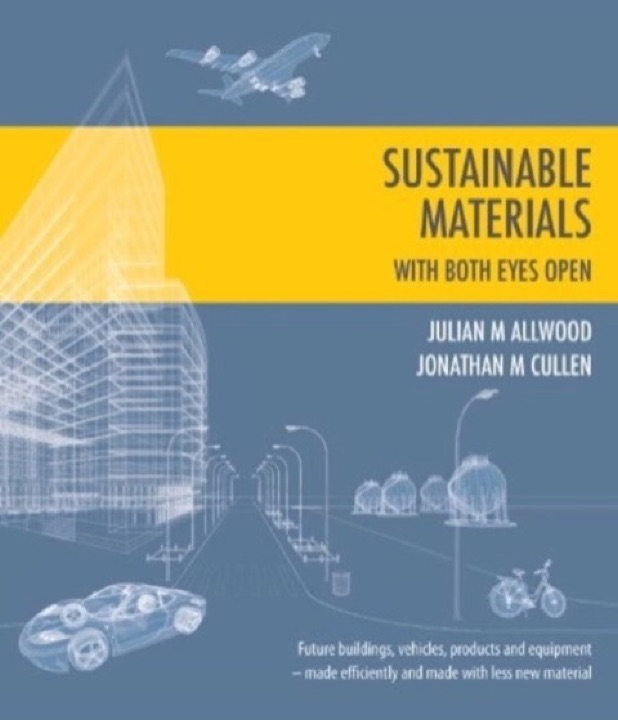
"Sustainable Materials with Both Eyes Open" by Julian M. Allwood and Jonathan M. Cullen is an insightful exploration into the world of material efficiency and sustainability. The book delves into the environmental impact of material production and consumption, offering a comprehensive analysis of how we can reduce this impact through smarter use of resources.
Summary:
-
Introduction to Material Sustainability: - The authors begin by highlighting the critical role materials play in modern society and the environmental challenges associated with their production and use. They emphasize the need for a shift in how we perceive and utilize materials to ensure a sustainable future.
-
Material Production and Environmental Impact: - The book provides a detailed examination of the environmental footprint of various materials, including metals, plastics, and cement. It discusses the energy-intensive nature of material production and its contribution to greenhouse gas emissions.
-
Efficiency in Material Use: - Allwood and Cullen argue for increased efficiency in material use as a key strategy for sustainability. They explore concepts such as lightweight design, material substitution, and recycling, demonstrating how these can significantly reduce environmental impact.
-
Case Studies and Real-World Applications: - The authors present numerous case studies that illustrate successful applications of material efficiency. These examples span various industries, showcasing innovative approaches to reducing material use while maintaining functionality and performance.
-
Barriers to Material Efficiency: - The book identifies several barriers to achieving material efficiency, including economic, technical, and social challenges. It discusses the need for policy interventions, industry collaboration, and consumer awareness to overcome these obstacles.
-
Future Directions and Innovations: - Allwood and Cullen explore future trends and innovations in material science that could further enhance sustainability. They highlight the potential of new materials and technologies to transform industries and reduce environmental impact.
Key Takeaways and Lessons:
-
Holistic Approach: The authors advocate for a holistic approach to material sustainability, considering the entire lifecycle of materials from production to disposal.
-
Efficiency Over Reduction: Instead of solely focusing on reducing material use, the book emphasizes improving efficiency in how materials are used, which can lead to significant environmental benefits.
-
Collaboration is Key: Achieving material sustainability requires collaboration across sectors, including government, industry, and consumers. Policies and incentives can play a crucial role in driving change.
-
Innovation and Adaptation: Embracing innovation and being open to new materials and technologies is essential for advancing sustainability goals.
-
Consumer Awareness: Educating consumers about the impact of their material choices can drive demand for more sustainable products and practices.
-
Long-term Vision: The authors stress the importance of a long-term vision for material sustainability, encouraging stakeholders to think beyond immediate gains and consider future generations.
Overall, "Sustainable Materials with Both Eyes Open" serves as a comprehensive guide for understanding the complexities of material sustainability and offers practical solutions for reducing environmental impact through smarter material use.