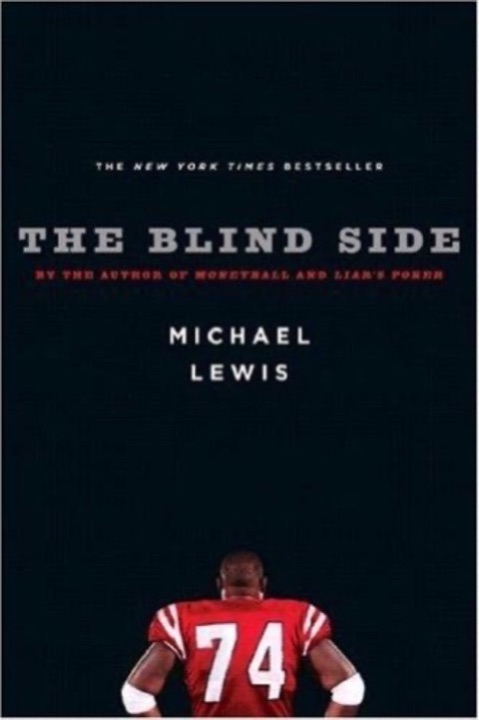
The Blind Side
Applying the lessons from "The Blind Side" by Michael Lewis to your life can be a meaningful exercise, especially given your rich personal experiences and values. Here are some ways you might integrate these lessons:
-
Importance of Opportunity and Support: Reflect on the opportunities and support you've received throughout your life, such as your education and career in medicine. Consider how you can extend similar opportunities to others, perhaps through mentorship or advocacy work, especially in areas like domestic abuse and anti-human trafficking, where you are already involved.
-
Role of Education: Given your appreciation for lifelong learning and personal growth, continue to prioritize education in your life and the lives of those around you. Encourage your children and grandchildren to pursue their educational goals and support them in overcoming any challenges they face.
-
Economic and Social Disparities: Your awareness of social issues and commitment to equality align with the book's themes. Continue to advocate for social justice and equality in your community and beyond. Use your platform and resources to raise awareness and drive change in areas you are passionate about.
-
Human Potential and Resilience: Your life story is a testament to resilience and human potential, much like Michael Oher's. Share your experiences and insights with others to inspire them to overcome their own challenges. Your belief in kindness and empathy can be a guiding force in helping others realize their potential.
-
Living in the Moment: One of your aspirations is to live more in the moment. Take inspiration from Michael Oher's journey, where each step forward was a result of focusing on the present and making the most of available opportunities. Practice mindfulness and gratitude to enhance your ability to live in the moment.
-
Leveraging Strengths and Addressing Weaknesses: Like the strategic evolution of the left tackle position, recognize your strengths and how they can be leveraged to protect and support others. Simultaneously, continue to work on your weaknesses, such as impulsivity and lack of balance, by evaluating your actions and their impact on others.
By integrating these lessons into your life, you can continue to grow personally and make a positive impact on those around you, aligning with your core values of kindness, empathy, and resilience.
What the book covers
"The Blind Side: Evolution of a Game" by Michael Lewis is a non-fiction book that explores the intersection of sports, economics, and social issues through the lens of American football. The book is divided into two main narratives: the evolution of the left tackle position in football and the life story of Michael Oher, a young African American man who rises from poverty to become a professional football player.
Summary
Evolution of the Left Tackle Position
The book begins by examining the strategic changes in American football that elevated the importance of the left tackle position. This shift was largely due to the increasing dominance of pass-rushing linebackers like Lawrence Taylor, whose ability to disrupt the quarterback necessitated a strong offensive lineman to protect the quarterback's blind side. Lewis details how this change in strategy led to a significant increase in the value and salaries of left tackles in the NFL.
Michael Oher's Story
The second narrative follows Michael Oher, a young man from a troubled background in Memphis, Tennessee. Oher's mother struggles with addiction, and he experiences homelessness and instability throughout his childhood. Despite these challenges, Oher possesses remarkable athletic talent and size, which eventually leads him to Briarcrest Christian School.
At Briarcrest, Oher is taken in by Sean and Leigh Anne Tuohy, a wealthy white family who provide him with the support and resources he needs to succeed academically and athletically. The Tuohys become Oher's legal guardians, helping him navigate the complexities of high school and college recruitment.
Oher's journey is not just about his physical prowess on the football field but also about overcoming the social and educational barriers he faces. With the Tuohys' support, he improves his grades and becomes a sought-after college recruit, eventually playing for the University of Mississippi (Ole Miss) and later being drafted into the NFL.
Key Takeaways and Lessons
-
Importance of Opportunity and Support: Oher's story highlights how access to resources and a supportive environment can dramatically alter the trajectory of a person's life. The Tuohys' intervention provides Oher with the stability and encouragement he needs to thrive.
-
Role of Education: The book underscores the critical role of education in breaking the cycle of poverty. Oher's academic struggles and eventual success illustrate the challenges faced by many underprivileged youth and the importance of educational support.
-
Economic and Social Disparities: Lewis sheds light on the stark economic and social disparities in America, particularly in the context of race and class. Oher's journey from a poor neighborhood to a wealthy school environment exemplifies these contrasts.
-
Evolution of Sports: The book provides an insightful look into how sports evolve in response to changes in strategy and player dynamics. The rise of the left tackle position is a case study in how specific roles can gain prominence due to shifts in the game.
-
Human Potential and Resilience: Oher's story is a testament to human potential and resilience. Despite facing significant adversity, his determination and the support he receives enable him to achieve success.
Overall, "The Blind Side" is a compelling narrative that combines sports history with a powerful human interest story, offering readers a deeper understanding of both the game of football and the social issues that influence it.