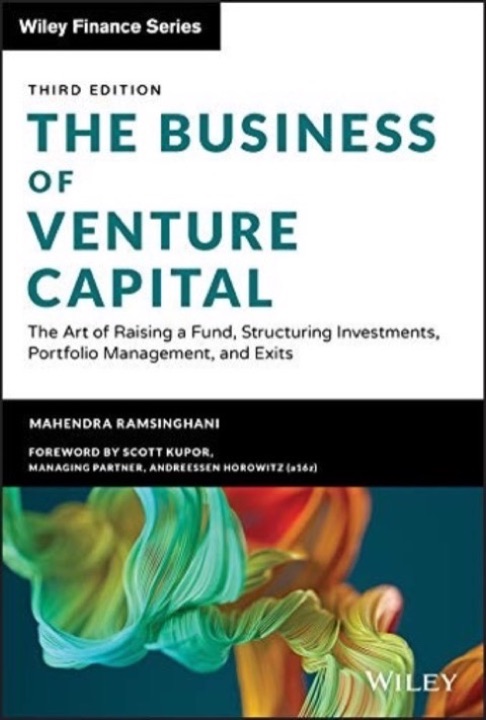
The Business of Venture Capital: The Art of Raising a Fund, Structuring Investments, Portfolio Management, and Exits
Applying the lessons from "The Business of Venture Capital" by Mahendra Ramsinghani to your life can be a rewarding endeavor, especially given your diverse experiences and interests. Here are some ways you might integrate these insights:
-
Relationship Building: Given your emphasis on kindness and empathy, you already have a strong foundation for building relationships. You can apply this to both personal and professional networks, focusing on deepening connections with people who share your values and interests. This could enhance your advocacy work or any future ventures you might pursue.
-
Due Diligence: Your analytical approach to decision-making aligns well with the due diligence process described in the book. You can apply this rigor to personal projects, investments, or even when evaluating new opportunities, ensuring you make informed decisions that align with your values and goals.
-
Value Addition Beyond Capital: As someone who values mentorship and guidance, you can focus on adding value to the lives of those around you, whether it's through your professional work, family, or community involvement. This could involve sharing your experiences, offering strategic advice, or simply being a supportive presence.
-
Diversification and Risk Management: You can apply these principles to various aspects of your life, such as managing your time, energy, and resources. By diversifying your activities and managing risks, you can ensure a balanced and fulfilling life, allowing you to pursue your hobbies and interests while maintaining stability.
-
Adaptability and Timing: Your resilience and ability to stay calm under pressure are valuable traits. You can continue to hone these skills by remaining adaptable to life's changes and seizing opportunities at the right time, whether in personal growth, professional endeavors, or new experiences like skydiving.
-
Continuous Learning: Your commitment to being a lifelong learner aligns perfectly with the book's emphasis on continuous learning. You can apply this by staying curious, seeking new knowledge, and embracing growth opportunities, whether through reading, traveling, or engaging with new technologies.
By integrating these lessons into your life, you can enhance your personal and professional endeavors, ensuring that you continue to grow, contribute, and make a positive impact on the world around you.
What the book covers
"The Business of Venture Capital" by Mahendra Ramsinghani is a comprehensive guide that delves into the intricacies of venture capital (VC), offering insights into the art of raising a fund, structuring investments, managing portfolios, and executing successful exits. The third edition of this book is particularly valuable for both aspiring and seasoned venture capitalists, entrepreneurs, and anyone interested in understanding the dynamics of the VC industry.
Summary:
Part 1: Raising a Fund
- Understanding Venture Capital: The book begins by explaining the fundamentals of venture capital, including its role in the startup ecosystem and its impact on innovation and economic growth.
- Fundraising Process: Ramsinghani outlines the step-by-step process of raising a venture capital fund, emphasizing the importance of building a strong investment thesis, understanding the target market, and developing a compelling pitch to attract limited partners (LPs).
- Building Relationships: The author stresses the importance of networking and relationship-building with LPs, highlighting strategies for effective communication and engagement.
Part 2: Structuring Investments
- Deal Sourcing: This section covers the strategies for sourcing high-quality deals, including leveraging networks, attending industry events, and utilizing technology platforms.
- Due Diligence: Ramsinghani provides a detailed guide on conducting thorough due diligence, assessing the potential of startups, and evaluating the capabilities of founding teams.
- Term Sheets and Valuations: The book explains the components of a term sheet, negotiation tactics, and the complexities of startup valuations.
Part 3: Portfolio Management
- Building a Portfolio: The author discusses strategies for constructing a balanced portfolio, managing risk, and optimizing returns.
- Value Addition: Ramsinghani emphasizes the role of VCs in adding value to their portfolio companies through mentorship, strategic guidance, and leveraging networks.
- Monitoring and Support: The book outlines best practices for monitoring portfolio companies, providing ongoing support, and making tough decisions when necessary.
Part 4: Exits
- Exit Strategies: This section explores various exit strategies, including mergers and acquisitions (M&A), initial public offerings (IPOs), and secondary sales.
- Timing and Execution: Ramsinghani highlights the importance of timing in executing successful exits and provides insights into navigating the complexities of the exit process.
- Maximizing Returns: The author discusses strategies for maximizing returns for both entrepreneurs and investors, emphasizing the importance of aligning interests.
Key Takeaways and Lessons:
- Relationship Building is Crucial: Success in venture capital heavily relies on building and maintaining strong relationships with LPs, entrepreneurs, and other stakeholders.
- Thorough Due Diligence: Conducting comprehensive due diligence is essential to identify promising investment opportunities and mitigate risks.
- Value Addition Beyond Capital: VCs should focus on adding value beyond financial investment by providing strategic guidance, mentorship, and access to networks.
- Diversification and Risk Management: Building a diversified portfolio and managing risk are key to achieving sustainable returns.
- Adaptability and Timing: The ability to adapt to changing market conditions and timing exits appropriately can significantly impact the success of investments.
- Continuous Learning: The venture capital landscape is dynamic, and continuous learning and adaptation are necessary to stay competitive.
Overall, "The Business of Venture Capital" serves as an essential resource for understanding the complexities of the venture capital industry and offers practical advice for navigating its challenges and opportunities.