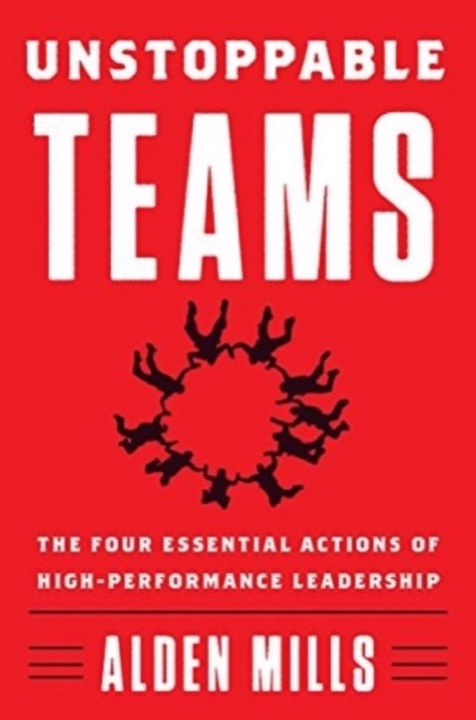
Unstoppable Teams: The Four Essential Actions of High-Performance Leadership
Applying the lessons from "Unstoppable Teams: The Four Essential Actions of High Performance Leadership" by Alden Mills to your life can enhance both your personal and professional relationships. Here's how you might integrate these principles:
-
Care: - Continue to show genuine care and empathy for those around you, including your family, friends, and colleagues. Your core values of kindness and empathy align well with this principle. - Invest time in understanding the needs and aspirations of your loved ones and colleagues. This could involve more active listening and providing support where needed, whether it's helping your children with their goals or supporting a colleague through a challenge.
-
Connect: - Strengthen your connections by fostering open communication and creating an environment where people feel comfortable sharing their thoughts and feelings. Your direct and humorous communication style can be a great asset here. - Engage in activities that build bonds, such as family gatherings, team-building exercises at work, or social events with friends. This can help break down barriers and promote a sense of unity.
-
Commit: - Set clear goals for yourself and your family, and work towards them with dedication. Your personal philosophy of being an eternal optimist can help inspire those around you. - Demonstrate your commitment by being consistent and reliable in your actions. Lead by example, showing your children and colleagues the importance of dedication and perseverance.
-
Coach: - Embrace a coaching mindset by mentoring and empowering those around you. This could involve guiding your children as they navigate life's challenges or supporting a colleague's professional development. - Provide constructive feedback and recognize achievements, helping others to grow and improve. Your experience and wisdom can be invaluable in guiding others to reach their full potential.
Additional Applications:
-
Empathy and Trust: Continue to build trust with those around you by being empathetic and understanding. Your belief in kindness as a guiding principle aligns perfectly with this approach.
-
Vision and Alignment: Share your vision for the future with your family and colleagues, aligning their efforts with common goals. Your aspirations for societal progress and personal growth can serve as a compelling vision.
-
Empowerment through Coaching: Use your resilience and humor to empower others, helping them to see challenges as opportunities for growth. Your ability to find humor in almost everything can make difficult situations more manageable.
-
Adaptability and Resilience: Encourage adaptability and resilience in yourself and others by embracing change and learning from setbacks. Your personal experiences, such as surviving plane crashes, have already demonstrated your resilience.
-
Lead by Example: Continue to lead by example, showing integrity and a strong work ethic. Your approach to life's challenges, encapsulated by "Never, ever quit," can inspire others to persevere.
By integrating these principles into your life, you can enhance your relationships, foster a supportive environment, and continue to grow as a leader in both your personal and professional spheres.
What the book covers
"Unstoppable Teams: The Four Essential Actions of High Performance Leadership" by Alden Mills is a comprehensive guide on building and leading effective teams. Mills, a former Navy SEAL and successful entrepreneur, draws from his experiences to provide actionable insights into leadership and team dynamics. The book is structured around four essential actions that leaders can take to create high-performing teams.
Summary:
-
Care: - Mills emphasizes the importance of genuinely caring for team members. This involves understanding their personal and professional needs, aspirations, and challenges. By showing empathy and support, leaders can build trust and loyalty within the team. - Caring also means investing time in developing team members' skills and providing them with opportunities for growth. This creates a culture of mutual respect and commitment.
-
Connect: - Building strong connections within the team is crucial for effective collaboration. Mills discusses the importance of open communication and creating an environment where team members feel comfortable sharing ideas and feedback. - Leaders should facilitate connections by encouraging team-building activities and fostering a sense of belonging. This helps in breaking down silos and promoting a unified team vision.
-
Commit: - Commitment is about setting clear goals and aligning the team's efforts towards achieving them. Mills highlights the need for leaders to articulate a compelling vision that inspires and motivates the team. - Leaders should also demonstrate their own commitment by being consistent, reliable, and leading by example. This instills confidence in the team and encourages them to stay dedicated to their objectives.
-
Coach: - Coaching involves guiding team members to reach their full potential. Mills advocates for a leadership style that focuses on mentoring and empowering individuals rather than micromanaging them. - Effective coaching requires providing constructive feedback, recognizing achievements, and helping team members overcome obstacles. This approach fosters a culture of continuous improvement and innovation.
Key Takeaways and Lessons:
-
Empathy and Trust: Building a high-performing team starts with empathy. Leaders who genuinely care about their team members can foster trust and loyalty, which are foundational for team success.
-
Communication and Connection: Open and honest communication is vital for team cohesion. Leaders should actively work to connect team members and create an inclusive environment where everyone feels valued.
-
Vision and Alignment: A clear and compelling vision helps align the team's efforts. Leaders must ensure that everyone understands and is committed to the team's goals.
-
Empowerment through Coaching: Instead of controlling every aspect, leaders should focus on empowering their team through coaching. This involves providing guidance, support, and opportunities for growth.
-
Adaptability and Resilience: High-performing teams are adaptable and resilient. Leaders should cultivate these qualities by encouraging a mindset that embraces change and learns from setbacks.
-
Lead by Example: The behavior of a leader sets the tone for the entire team. By demonstrating commitment, integrity, and a strong work ethic, leaders can inspire their teams to follow suit.
In conclusion, "Unstoppable Teams" provides a practical framework for leaders looking to build and sustain high-performance teams. By focusing on care, connection, commitment, and coaching, leaders can create an environment where teams thrive and achieve extraordinary results.