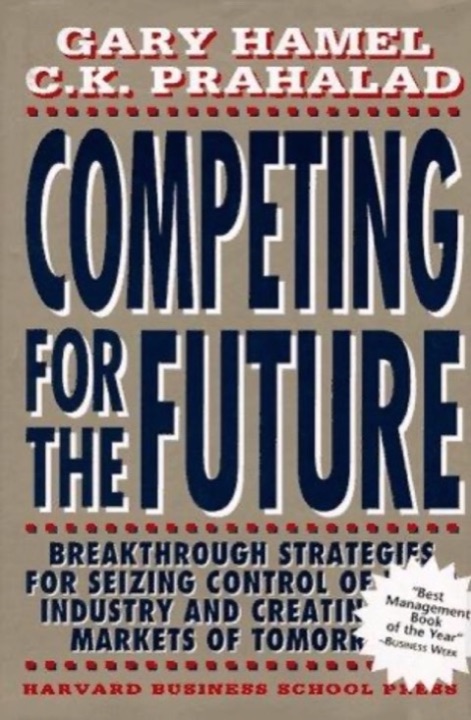
Competing for the Future
Applying the lessons from "Competing for the Future" by Gary Hamel and C.K. Prahalad to your life involves integrating their strategic management concepts into your personal and professional development. Here’s how you might do that:
-
Strategic Intent: Define a clear and ambitious long-term vision for your life. This could involve personal goals, such as living to 130 while maintaining your health, or professional aspirations, like making a significant impact in your field. Use this vision to guide your decisions and actions, ensuring they align with your overarching objectives.
-
Core Competencies: Identify your unique strengths and capabilities, such as resilience, humor, kindness, and empathy. Focus on nurturing and leveraging these competencies in various aspects of your life, from your career as a physician to your personal relationships and hobbies.
-
Industry Foresight: Stay informed about trends and changes in your field and areas of interest, such as advancements in medical technology or social issues like equality. This foresight will help you anticipate opportunities and challenges, allowing you to adapt and thrive.
-
Resource Leverage: Maximize the potential of your existing resources, such as your network, skills, and experiences. Consider creative ways to stretch these resources, like forming partnerships or exploring new business models, to achieve your goals more effectively.
-
Strategic Architecture: Develop a personal strategic architecture by aligning your daily routines, habits, and environment with your long-term vision. This might involve maintaining your rigorous morning routine to support your health goals or fostering a supportive network to achieve your aspirations.
-
Innovation and Renewal: Cultivate a mindset of continuous learning and adaptation. Embrace new experiences, such as trying skydiving or exploring different perspectives, to foster personal growth and innovation in your life.
-
Visionary Leadership: Lead by example in your personal and professional life. Articulate your vision and values clearly to inspire and motivate those around you, whether it's your family, colleagues, or community.
By integrating these concepts into your life, you can navigate challenges more effectively, capitalize on opportunities, and work towards achieving your long-term goals with purpose and resilience.
What the book covers
"Competing for the Future" by Gary Hamel and C.K. Prahalad is a seminal work in the field of strategic management and business innovation. Published in 1994, the book challenges traditional approaches to strategy and offers a forward-looking perspective on how companies can achieve sustainable competitive advantage in a rapidly changing business environment.
Summary:
Core Concepts:
-
Strategic Intent: Hamel and Prahalad introduce the concept of "strategic intent," which is a long-term vision that is both ambitious and compelling. It serves as a guiding star for the organization, motivating employees and aligning resources towards achieving a significant competitive position in the future.
-
Core Competencies: The authors emphasize the importance of identifying and nurturing core competencies—unique capabilities that provide a competitive advantage. These competencies should be leveraged across different products and markets to maximize their value.
-
Industry Foresight: The book stresses the need for companies to develop a deep understanding of potential future industry landscapes. This involves anticipating changes, identifying emerging opportunities, and preparing to capitalize on them before competitors do.
-
Resource Leverage: Hamel and Prahalad argue that companies should focus on leveraging their existing resources more effectively rather than simply acquiring new ones. This involves creative ways to stretch resources, such as partnerships, alliances, and innovative business models.
-
Strategic Architecture: The authors introduce the idea of a strategic architecture—a blueprint for building the competencies and capabilities needed to achieve strategic intent. This involves aligning organizational structures, processes, and cultures with the long-term vision.
-
Innovation and Renewal: Continuous innovation and organizational renewal are crucial for maintaining competitiveness. Companies must foster a culture that encourages experimentation, learning, and adaptation.
Key Takeaways and Lessons:
-
Visionary Leadership: Leaders must articulate a clear and compelling vision that inspires and motivates the entire organization. This vision should focus on long-term goals rather than short-term financial metrics.
-
Focus on Core Competencies: Identifying and developing core competencies is essential for sustaining competitive advantage. Companies should invest in these areas and ensure they are difficult for competitors to replicate.
-
Anticipate Change: Organizations must be proactive in understanding and anticipating changes in their industry. This requires a commitment to research, trend analysis, and scenario planning.
-
Leverage Resources Creatively: Instead of constantly seeking new resources, companies should find innovative ways to maximize the potential of what they already have. This can involve strategic partnerships, alliances, and unconventional business strategies.
-
Build a Strategic Architecture: Develop a strategic architecture that aligns the organization’s structure, processes, and culture with its long-term vision. This ensures that all parts of the organization are working towards the same goals.
-
Foster a Culture of Innovation: Encourage a culture that supports innovation and risk-taking. This involves creating an environment where employees feel empowered to experiment and learn from failures.
-
Continuous Learning and Adaptation: Organizations must be committed to continuous learning and adaptation. This involves regularly reviewing strategies, learning from experiences, and being willing to pivot when necessary.
"Competing for the Future" remains a highly influential book, offering valuable insights for leaders and managers seeking to navigate the complexities of modern business environments. Its emphasis on strategic intent, core competencies, and innovation continues to resonate with organizations striving for long-term success.