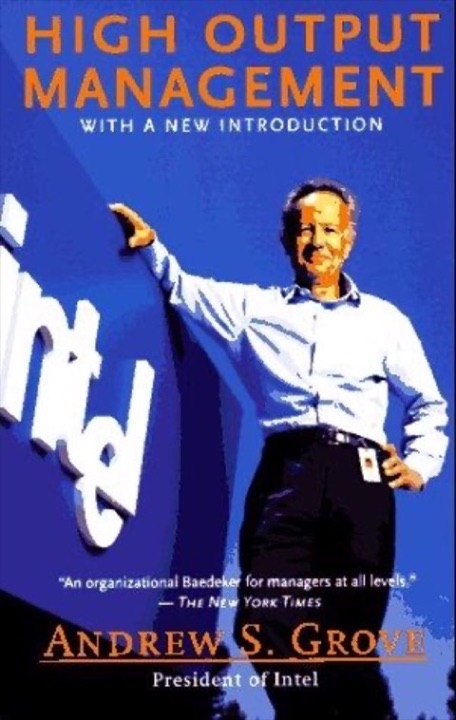
High Output Management
Applying the lessons from "High Output Management" by Andrew S. Grove to your life can enhance your effectiveness both personally and professionally. Here are some ways you might integrate these principles:
-
Output-Oriented Approach: Focus on maximizing the output of your activities, whether in your professional role or personal projects. Set clear objectives for what you want to achieve each day, and measure your progress towards these goals. This can help you prioritize tasks that have the most significant impact.
-
Managerial Leverage: Even if you're not managing a team, you can apply the concept of leverage by optimizing how you spend your time and resources. Delegate tasks when possible, make informed decisions quickly, and communicate effectively with those around you to maximize your impact.
-
Effective Meetings: In your personal and professional interactions, ensure that meetings or discussions have a clear purpose and agenda. Follow up with actionable steps to ensure that these interactions lead to productive outcomes.
-
Tailored Management Style: Adapt your approach to interactions based on the maturity and needs of those you're engaging with. Whether it's with family, friends, or colleagues, understanding their capabilities and adjusting your expectations can lead to more effective relationships.
-
Continuous Feedback: Regularly seek and provide feedback in your personal and professional life. This can help you grow and improve while also supporting the development of those around you. Constructive feedback can strengthen relationships and lead to better outcomes.
-
Training and Development: Commit to lifelong learning and personal development. Engage in activities that enhance your skills and knowledge, such as reading, attending workshops, or trying new experiences like skydiving, which you've expressed interest in.
-
Team Building: Foster a collaborative and supportive environment in your personal and professional circles. Build trust and encourage open communication to resolve conflicts and strengthen relationships.
-
Corporate Culture: Align your personal values with your actions and interactions. Your emphasis on kindness and empathy can help create a positive environment that reflects your core beliefs.
By integrating these principles into your life, you can enhance your effectiveness, build stronger relationships, and achieve your personal and professional goals more efficiently.
What the book covers
"High Output Management" by Andrew S. Grove is a seminal work on management and leadership, drawing from Grove's extensive experience as the former CEO of Intel. The book is a practical guide for managers at all levels, focusing on how to increase productivity and efficiency within an organization. Here is a thorough summary of the book, along with key takeaways and lessons:
Summary:
Introduction:
Grove introduces the concept of management as a discipline that can be learned and improved upon. He emphasizes the importance of output, which he defines as the work produced by a manager's team.
Part 1: The Basics of Production
- The Breakfast Factory: Grove uses the analogy of a breakfast factory to explain the fundamentals of production. He highlights the importance of understanding the production process, identifying bottlenecks, and optimizing for efficiency.
- Measuring Performance: He discusses the significance of performance measurement, introducing the concept of "output per worker" as a key metric. Grove stresses the need for clear objectives and measurable outcomes.
Part 2: Managing the Production Process
- Managerial Leverage: Grove introduces the idea of managerial leverage, which is the impact a manager has on the output of their team. He explains how managers can increase leverage through effective delegation, decision-making, and communication.
- Meetings: He provides practical advice on conducting effective meetings, emphasizing the importance of preparation, clear agendas, and follow-up actions.
- Decision Making: Grove outlines a structured approach to decision-making, advocating for a balance between data-driven analysis and intuition.
Part 3: The Manager's Role
- Task-Relevant Maturity: Grove introduces the concept of task-relevant maturity, which refers to an employee's ability to perform a specific task. He advises managers to tailor their management style based on the maturity level of their team members.
- Performance Appraisals: He discusses the importance of regular performance appraisals, providing guidance on how to give constructive feedback and set realistic goals.
- Training and Development: Grove emphasizes the role of training in enhancing employee skills and productivity. He advocates for continuous learning and development as a means to improve organizational output.
Part 4: Building and Leading Teams
- Team Dynamics: Grove explores the dynamics of team building, highlighting the importance of trust, communication, and collaboration. He provides strategies for resolving conflicts and fostering a positive team environment.
- Corporate Culture: He discusses the impact of corporate culture on productivity, stressing the need for alignment between organizational values and employee behavior.
Key Takeaways and Lessons:
-
Output-Oriented Management: Focus on maximizing the output of your team by setting clear objectives and measuring performance effectively.
-
Managerial Leverage: Increase your impact as a manager by delegating tasks, making informed decisions, and communicating effectively.
-
Effective Meetings: Conduct meetings with a clear purpose, agenda, and follow-up actions to ensure they contribute to productivity.
-
Tailored Management Style: Adapt your management approach based on the task-relevant maturity of your team members to optimize their performance.
-
Continuous Feedback: Regular performance appraisals and constructive feedback are crucial for employee development and organizational success.
-
Training and Development: Invest in training programs to enhance employee skills and drive continuous improvement.
-
Team Building: Foster a collaborative team environment by building trust, encouraging open communication, and resolving conflicts constructively.
-
Corporate Culture: Align corporate culture with organizational goals to create a productive and motivated workforce.
Overall, "High Output Management" provides timeless insights and practical strategies for managers seeking to enhance their effectiveness and drive organizational success. Grove's emphasis on output, leverage, and adaptability remains relevant in today's dynamic business environment.