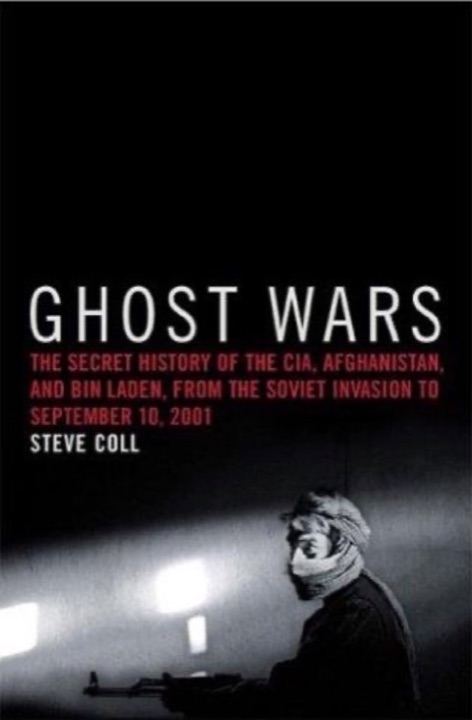
Ghost Wars: The Secret History of the CIA, Afghanistan, and Bin Laden, from the Soviet Invasion to September 10, 2001
Applying the lessons from "Ghost Wars" by Steve Coll to your life involves drawing parallels between the book's themes and your personal experiences and values. Here are some ways you might do this:
-
Complexity of Proxy Wars and Decision-Making: - Just as the book highlights the unintended consequences of proxy wars, you can apply this lesson by being mindful of the long-term impacts of your decisions. Whether in your personal or professional life, consider how your actions might have ripple effects and strive to make choices that align with your core values of kindness and empathy.
-
Importance of Intelligence Coordination and Communication: - The book underscores the need for effective communication and coordination. In your life, this can translate to fostering open and honest communication with family, friends, and colleagues. Your direct and humorous communication style can be a strength in building strong relationships and ensuring everyone is on the same page.
-
Understanding Local Dynamics and Empathy: - Just as understanding local cultures and politics is crucial in foreign policy, empathy and understanding are vital in personal interactions. Your belief in kindness and empathy aligns with this lesson, encouraging you to approach others with an open mind and a willingness to understand their perspectives.
-
Long-term Strategic Vision and Personal Growth: - The book's emphasis on long-term strategic vision can inspire you to continue your journey of personal growth and lifelong learning. Your daily routine and commitment to self-improvement reflect this lesson, reminding you to keep a forward-thinking mindset and adapt to new challenges.
-
Adaptability and Resilience: - Your resilience and persistence are strengths that align with the book's lesson on adaptability. Embrace change and be open to new experiences, such as your aspiration to try skydiving, as opportunities for growth and learning.
-
Handling Missed Opportunities and Failures: - The book discusses missed opportunities and intelligence failures. In your life, view setbacks and failures as valuable learning experiences. Your belief that failures have helped you become who you are today reinforces this lesson, encouraging you to embrace challenges and grow from them.
-
Ethical Beliefs and Social Issues: - The book's exploration of ethical dilemmas can inspire you to continue advocating for social issues you are passionate about, such as equality and anti-human trafficking. Your involvement in activism reflects your commitment to making a positive impact in the world.
By integrating these lessons into your life, you can continue to navigate challenges with resilience, empathy, and a strategic mindset, ultimately striving to leave the world a better place.
What the book covers
"Ghost Wars: The Secret History of the CIA, Afghanistan, and Bin Laden, from the Soviet Invasion to September 10, 2001" by Steve Coll is a comprehensive examination of the covert operations and political maneuvers that shaped the landscape of Afghanistan and the rise of Islamist extremism leading up to the events of September 11, 2001. The book meticulously details the involvement of the CIA and other international players in Afghanistan from the Soviet invasion in 1979 through the rise of the Taliban and the emergence of Osama bin Laden as a global terrorist threat.
Summary:
-
Soviet Invasion and the Mujahideen: - The book begins with the Soviet invasion of Afghanistan in 1979, which prompted the United States to support Afghan resistance fighters, known as the Mujahideen. The CIA, through Operation Cyclone, funneled billions of dollars in arms and aid to these fighters, often through intermediaries like Pakistan's Inter-Services Intelligence (ISI).
-
Rise of Islamist Extremism: - Coll explores how the U.S. support, while successful in pushing back the Soviets, inadvertently empowered radical Islamist factions. Figures like Gulbuddin Hekmatyar and later, Osama bin Laden, gained prominence during this period.
-
Post-Soviet Power Vacuum: - After the Soviet withdrawal in 1989, Afghanistan descended into civil war. The power vacuum led to the rise of the Taliban, a fundamentalist group that eventually took control of Kabul in 1996. The Taliban provided sanctuary to bin Laden and al-Qaeda.
-
CIA's Role and Challenges: - The book delves into the CIA's operations and the challenges it faced, including bureaucratic hurdles, inter-agency conflicts, and the complexities of working with unreliable partners like the ISI. The CIA's focus shifted from supporting the Mujahideen to countering the growing threat of al-Qaeda.
-
Emergence of al-Qaeda: - Coll details the formation and growth of al-Qaeda, highlighting bin Laden's ideological motivations and his declaration of jihad against the United States. The book covers key events, such as the 1998 U.S. embassy bombings in Africa and the attack on the USS Cole in 2000.
-
Missed Opportunities and Intelligence Failures: - The narrative underscores several missed opportunities to capture or kill bin Laden, hindered by legal, political, and logistical challenges. The book criticizes the lack of a cohesive U.S. strategy to address the growing threat of terrorism.
-
Prelude to 9/11: - The book concludes with the events leading up to September 10, 2001, illustrating how the various threads of U.S. foreign policy, intelligence operations, and global terrorism converged to set the stage for the 9/11 attacks.
Key Takeaways and Lessons:
-
Complexity of Proxy Wars: The book highlights the unintended consequences of proxy wars, where short-term strategic goals can lead to long-term instability and the rise of extremist elements.
-
Importance of Intelligence Coordination: Effective counterterrorism requires seamless coordination among intelligence agencies. The book points out the detrimental effects of inter-agency rivalries and lack of information sharing.
-
Understanding Local Dynamics: A deep understanding of local cultures, politics, and histories is crucial for effective foreign policy and intelligence operations. Misjudgments in these areas can lead to strategic blunders.
-
Long-term Strategic Vision: The narrative underscores the need for a long-term strategic vision in foreign policy, rather than reactive or short-sighted approaches that fail to address root causes of conflict and extremism.
-
Adaptability and Responsiveness: The rapidly changing nature of global threats necessitates adaptability and responsiveness in intelligence and military strategies to effectively counter emerging challenges.
"Ghost Wars" serves as a cautionary tale about the complexities of international intervention and the far-reaching impacts of foreign policy decisions. It provides valuable insights into the intricacies of intelligence work and the challenges of combating global terrorism.