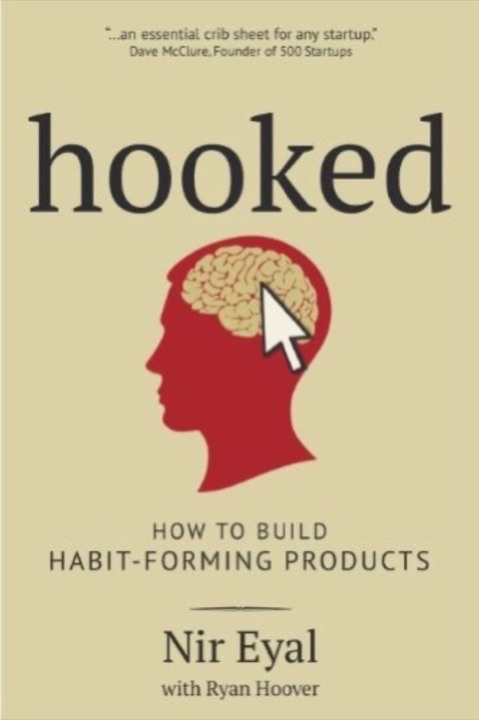
Hooked: How to Build Habit-Forming Products
Applying the lessons from "Hooked: How to Build Habit-Forming Products" by Nir Eyal to your life involves leveraging the principles of the Hook Model to enhance personal habits and routines. Here's how you might do that:
1. Identify Personal Triggers
- External Triggers: Use reminders or notifications to prompt positive actions. For example, set reminders for your workouts or reading sessions.
- Internal Triggers: Reflect on emotional states that drive your actions. Recognize when you're motivated by stress or excitement and channel that into productive activities.
2. Simplify Actions
- Ease of Action: Make it easy to engage in beneficial habits. For instance, keep your workout gear ready to reduce friction in starting your exercise routine.
- Motivation and Ability: Align your actions with your motivations, like spending time with family or pursuing hobbies, and ensure you have the ability to perform them effortlessly.
3. Incorporate Variable Rewards
- Rewards of the Tribe: Engage in social activities that provide a sense of community, such as attending concerts or family gatherings.
- Rewards of the Hunt: Seek out new experiences or knowledge, like trying skydiving or reading new books.
- Rewards of the Self: Focus on personal growth and mastery, such as improving your cooking skills or learning to play the guitar.
4. Encourage Personal Investment
- Time and Effort: Invest time in activities that enhance your well-being, like exercising or spending quality time with loved ones.
- Data and Reflection: Keep a journal to track your progress and reflect on your experiences, helping you see the value in your personal investments.
5. Ethical Considerations
- Positive Impact: Ensure that your habits and routines contribute positively to your life and those around you. Focus on activities that align with your core values of kindness and empathy.
6. Iterate and Test
- Continuous Improvement: Regularly assess your habits and routines. Be open to change and adapt based on what works best for you, much like your approach to personal growth and development.
7. Focus on Retention
- Consistency: Build habits that become integral to your daily routine, such as your morning exercise regimen or spending time with family.
- Long-term Engagement: Cultivate habits that you can sustain over time, ensuring they remain a meaningful part of your life.
By applying these principles, you can create a life filled with meaningful and fulfilling habits that align with your values and aspirations. This approach can help you live more intentionally and achieve your personal goals while maintaining a balance between work, family, and personal growth.
What the book covers
"Hooked: How to Build Habit-Forming Products" by Nir Eyal is a comprehensive guide that explores the psychology behind why certain products capture widespread attention and become integral parts of users' daily routines. Eyal introduces the "Hook Model," a four-step process that companies can use to create products that encourage user engagement and habit formation. Here’s a detailed summary of the book, along with key takeaways and lessons:
Overview of the Hook Model
-
Trigger: Triggers are cues that prompt users to take action. They can be external (like notifications, emails, or advertisements) or internal (such as emotions or thoughts). Successful products often transition users from relying on external triggers to internal ones, making the product a go-to solution for certain emotional states or needs.
-
Action: This is the behavior performed in anticipation of a reward. For an action to occur, users must have sufficient motivation and ability. Eyal emphasizes the importance of making actions as simple as possible to increase the likelihood of user engagement.
-
Variable Reward: Unlike fixed rewards, variable rewards create a sense of unpredictability, which can be highly engaging. Eyal identifies three types of variable rewards: - Rewards of the Tribe: Social rewards that involve others, such as likes or comments. - Rewards of the Hunt: Material rewards, such as finding a deal or discovering new content. - Rewards of the Self: Intrinsic rewards that involve personal satisfaction or mastery.
-
Investment: This step involves users putting something into the product, such as time, data, effort, or money, which increases the likelihood of future engagement. Investments often improve the product or service, making it more valuable to the user over time.
Key Takeaways and Lessons
-
Understand User Needs: Successful habit-forming products address users' pain points or desires. Understanding the underlying motivations and emotions that drive user behavior is crucial.
-
Design for Simplicity: The easier it is for users to take action, the more likely they are to do so. Reducing friction in the user experience is essential for encouraging engagement.
-
Leverage Variable Rewards: Incorporating variability in rewards keeps users engaged and coming back for more. However, it's important to ensure that the rewards are meaningful and aligned with user needs.
-
Encourage User Investment: By getting users to invest in the product, companies can increase user retention and loyalty. Investments should enhance the user experience and provide increasing value over time.
-
Ethical Considerations: Eyal stresses the importance of using the Hook Model ethically. Companies should aim to create products that genuinely improve users' lives, rather than exploiting addictive behaviors.
-
Iterate and Test: Building habit-forming products is an iterative process. Companies should continuously test and refine their products based on user feedback and behavior.
-
Focus on Retention: While acquiring new users is important, retaining existing ones is crucial for long-term success. Habit-forming products naturally encourage retention by becoming part of users' routines.
In summary, "Hooked" provides a framework for understanding and designing products that can become habitual for users. By focusing on triggers, actions, variable rewards, and investments, companies can create engaging and valuable products. However, Eyal also emphasizes the importance of ethical considerations and the responsibility of designers to create products that positively impact users' lives.