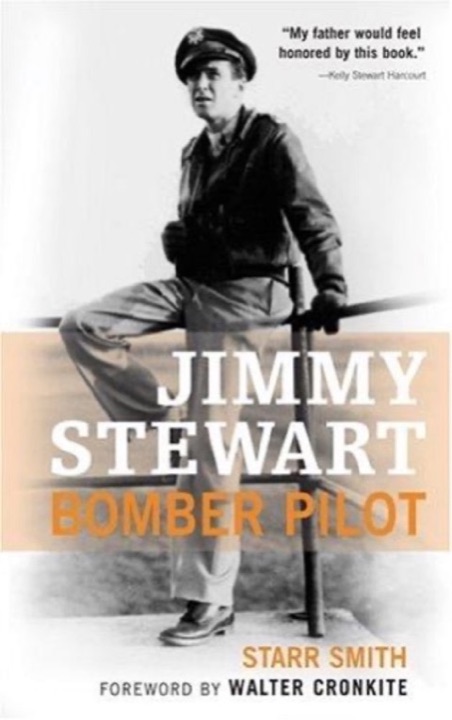
Jimmy Stewart: Bomber Pilot
Applying the lessons from "Bomber Pilot: A Memoir of World War II" by Jimmy Stewart to your life can be a meaningful exercise, especially given your rich experiences and values. Here are some ways you might integrate these lessons:
-
Duty and Sacrifice: - Reflect on your sense of duty and how it aligns with your personal and professional life. Consider how you can continue to serve others, perhaps through your work in medicine or your advocacy efforts. Your commitment to kindness and empathy already reflects a dedication to the greater good.
-
Leadership Under Pressure: - Leverage your experiences in high-stress situations, such as emergency medicine and flying, to further develop your leadership skills. Continue to lead by example, make informed decisions, and inspire those around you, just as Stewart did with his squadron.
-
Resilience and Adaptability: - Embrace your resilience and adaptability, qualities that have helped you navigate life's challenges. Use these strengths to pursue new experiences, like skydiving, and to continue growing personally and professionally.
-
Impact of War and Service: - Reflect on how your experiences, including near-death situations, have shaped your perspective on life. Consider how you can use these insights to support others, particularly veterans or those facing similar challenges, as they reintegrate into civilian life.
-
Living in the Moment: - Stewart's post-war reflections highlight the importance of living in the moment. Strive to achieve this aspiration by being present in your daily interactions and cherishing time with your family and friends.
-
Commitment to Personal Growth: - Continue your journey as a lifelong learner, embracing the mindset of being in a constant state of beta. Seek out opportunities for personal growth, whether through new hobbies, travel, or deepening your understanding of social issues.
-
Balancing Humor and Seriousness: - Stewart's ability to balance humor with the seriousness of his duties is a lesson you can apply. Use your humor to connect with others and lighten difficult situations, while also recognizing when to approach matters with the seriousness they deserve.
By integrating these lessons into your life, you can honor the spirit of Stewart's memoir while continuing to live a life guided by your values of kindness, empathy, and resilience.
What the book covers
"Bomber Pilot: A Memoir of World War II" by Jimmy Stewart is an autobiographical account of the renowned actor's experiences during World War II. Stewart, who was already a successful Hollywood actor, enlisted in the United States Army Air Corps and served as a bomber pilot. The book provides a detailed narrative of his journey from Hollywood to the European theater of war, highlighting his dedication, bravery, and leadership.
Summary:
-
Early Life and Enlistment: - The memoir begins with Stewart's early life and his burgeoning career in Hollywood. Despite his success, he felt a strong sense of duty to serve his country following the attack on Pearl Harbor. - Stewart enlisted in the Army Air Corps in 1941, overcoming initial obstacles due to his weight and age, and eventually became a pilot.
-
Training and Deployment: - The book details Stewart's rigorous training as a pilot and his transition from civilian life to military discipline. - He was assigned to the 445th Bombardment Group and later the 453rd Bombardment Group, where he flew B-24 Liberators.
-
Combat Missions: - Stewart flew numerous combat missions over Europe, including dangerous bombing raids over Germany. - The memoir provides vivid descriptions of the challenges and dangers faced by bomber crews, including enemy fire, mechanical failures, and harsh weather conditions.
-
Leadership and Command: - Stewart quickly rose through the ranks, eventually becoming a squadron commander. His leadership skills were tested as he had to make difficult decisions and maintain morale among his men. - He earned the respect of his peers and subordinates for his courage and commitment to the mission.
-
Return to Civilian Life: - After the war, Stewart returned to Hollywood, where he resumed his acting career. However, his wartime experiences had a profound impact on him, influencing his personal and professional life.
Key Takeaways and Lessons:
-
Duty and Sacrifice: Stewart's story is a testament to the sense of duty and willingness to sacrifice personal success for the greater good. His decision to leave a thriving career to serve his country highlights the importance of service and commitment.
-
Leadership Under Pressure: The memoir illustrates the qualities of effective leadership, particularly in high-stress situations. Stewart's ability to lead by example, make tough decisions, and inspire his men are key lessons for leaders in any field.
-
Resilience and Adaptability: Stewart's experiences underscore the importance of resilience and adaptability in the face of adversity. His ability to navigate the challenges of military life and combat missions is a powerful reminder of the human capacity to overcome obstacles.
-
Impact of War: The book also reflects on the lasting impact of war on individuals, both physically and psychologically. Stewart's post-war reflections offer insights into the challenges faced by veterans as they reintegrate into civilian life.
Overall, "Bomber Pilot" is not just a memoir of wartime experiences but also a reflection on character, leadership, and the enduring impact of service.