Presidential Courage
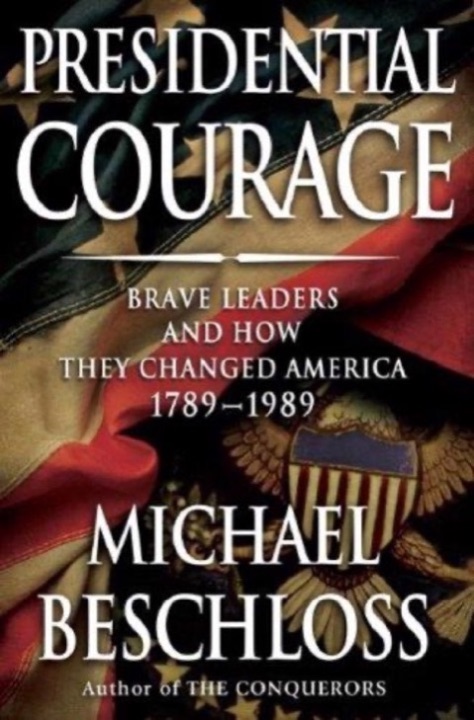
Applying the lessons from "Presidential Courage" by Michael Beschloss to your life involves embracing the qualities of courageous leadership and decision-making demonstrated by the presidents featured in the book. Here are some ways you might integrate these lessons into your personal and professional life:
-
Moral Courage: Like the presidents who made difficult decisions based on principles, continue to prioritize kindness and empathy in your interactions. Stand firm in your beliefs, even when they are unpopular, and let your ethical convictions guide your actions.
-
Long-term Vision: Embrace a long-term perspective in your personal and professional goals. Just as the presidents took actions that were beneficial in the long run, focus on the lasting impact of your decisions, especially in areas like activism and advocacy work.
-
Risk and Sacrifice: Recognize that taking risks and making sacrifices can lead to significant personal growth and achievement. Your experiences with near-death situations have already shown your resilience; continue to apply this mindset to new challenges and opportunities.
-
Adaptability and Change: Be open to adapting your strategies and viewpoints as circumstances change. Like Reagan's shift in approach with the Soviet Union, remain flexible and willing to adjust your plans to achieve the best outcomes.
-
Diplomacy and Restraint: In moments of conflict or disagreement, prioritize diplomacy and restraint. Your ability to remain calm under pressure, as seen in emergency situations, is a valuable skill that can help you navigate difficult conversations and decisions.
-
Persistence and Resilience: Your superpower of persistence aligns with the determination shown by the presidents in the book. Continue to apply this persistence in pursuing your goals, whether it's advocating for social issues or achieving personal aspirations like skydiving.
-
Leadership and Influence: Use your influence to inspire and lead others, much like the presidents who shaped the course of history. Whether in your professional role or personal life, strive to be a role model for resilience, humor, and empathy.
By integrating these lessons into your life, you can continue to make a positive impact on those around you and contribute to the betterment of society, much like the courageous leaders highlighted in "Presidential Courage."
What the book covers
"Presidential Courage: Brave Leaders and How They Changed America 1789-1989" by Michael Beschloss is a historical exploration of pivotal moments in American history when U.S. presidents took significant risks to do what they believed was right for the country, often at great personal and political cost. The book covers a span of two centuries, highlighting the courage and leadership of various presidents during critical times.
Summary:
-
George Washington (1790s): - Washington's decision to support the controversial Jay Treaty with Great Britain to avoid war, despite strong opposition from his own party and the public. His courage in prioritizing national interest over popularity set a precedent for future leaders.
-
John Adams (1800): - Adams' choice to pursue peace with France, avoiding a potentially disastrous war, despite the political backlash and the risk of losing his re-election. His actions underscored the importance of peace and diplomacy.
-
Andrew Jackson (1830s): - Jackson's battle against the Second Bank of the United States, which he viewed as a corrupt institution. His determination to dismantle it, despite significant opposition, demonstrated his commitment to fighting perceived injustices.
-
Abraham Lincoln (1860s): - Lincoln's steadfast commitment to preserving the Union during the Civil War and his issuance of the Emancipation Proclamation, which risked alienating key constituencies but ultimately redefined the nation's values.
-
Theodore Roosevelt (1900s): - Roosevelt's efforts to regulate big businesses and monopolies, challenging powerful industrialists to protect the public interest. His courage in confronting corporate power helped shape modern economic policies.
-
Franklin D. Roosevelt (1930s-1940s): - FDR's leadership during the Great Depression and World War II, including his decision to support Britain before the U.S. entered the war, despite isolationist sentiments. His actions highlighted the importance of global leadership.
-
Harry Truman (1940s-1950s): - Truman's decision to desegregate the armed forces and recognize the state of Israel, both of which were politically risky but morally driven choices that had lasting impacts on American society and foreign policy.
-
John F. Kennedy (1960s): - Kennedy's handling of the Cuban Missile Crisis, where he chose a blockade over military action, avoiding nuclear war. His emphasis on diplomacy and negotiation showcased the power of restraint.
-
Ronald Reagan (1980s): - Reagan's shift from a hardline stance to engaging in dialogue with the Soviet Union, leading to significant arms reduction agreements. His willingness to change course demonstrated the importance of adaptability in leadership.
Key Takeaways and Lessons:
-
Moral Courage: The book emphasizes that true leadership often requires moral courage, the ability to make difficult decisions based on principles rather than political expediency.
-
Long-term Vision: Many of the presidents highlighted in the book took actions that were unpopular at the time but proved beneficial in the long run, underscoring the importance of having a long-term vision for the country.
-
Risk and Sacrifice: Effective leadership often involves taking significant risks and making personal sacrifices for the greater good, as demonstrated by the presidents' willingness to face political and personal consequences.
-
Adaptability and Change: The ability to adapt and change course when necessary is a crucial aspect of leadership, as shown by leaders like Reagan who shifted their strategies in response to changing circumstances.
-
Diplomacy and Restraint: The book illustrates the power of diplomacy and restraint in resolving conflicts, as seen in Kennedy's handling of the Cuban Missile Crisis.
Overall, "Presidential Courage" provides valuable insights into the qualities that define courageous leadership and the impact such leadership can have on the course of history.