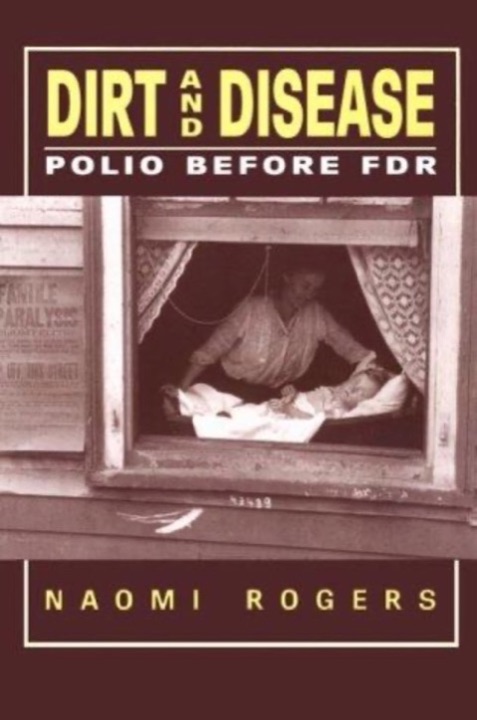
Dirt and Disease: Polio before FDR
Applying the lessons from "Dirt and Disease: Polio before FDR" by Naomi Rogers to your life can be insightful, especially given your experiences and values. Here are a few ways you might integrate these lessons:
-
Complex Interplay of Factors: Recognize the multifaceted nature of challenges in your life, whether personal or professional. Just as the book highlights the interplay of social, cultural, and medical factors in understanding polio, consider how various elements in your life interact and influence outcomes. This perspective can help you approach problems with a more holistic view.
-
Role of Stigma: Given your commitment to kindness and empathy, you can continue to challenge stigma and misconceptions in your interactions. Whether it's addressing societal issues or personal biases, strive to create an environment where understanding and compassion prevail over judgment and prejudice.
-
Evolution of Medical Knowledge: As a physician, you already appreciate the importance of scientific research and evolving knowledge. Continue to stay informed and adaptable, embracing new findings and technologies that can enhance your practice and improve patient care.
-
Public Health and Policy: Your involvement in activism and advocacy aligns with the book's emphasis on informed and compassionate public health policies. Use your voice and influence to advocate for policies that address both the medical and social dimensions of health issues, ensuring that marginalized communities receive the support they need.
-
Legacy of Polio: Reflect on how historical events shape modern practices and attitudes. Consider how your experiences and insights can contribute to ongoing discussions about public health, equality, and social justice. Your advocacy work in areas like domestic abuse and anti-human trafficking can benefit from understanding the historical context of these issues.
By integrating these lessons into your life, you can continue to make a positive impact on those around you while staying true to your core values of kindness, empathy, and resilience.
What the book covers
"Dirt and Disease: Polio before FDR" by Naomi Rogers is a comprehensive historical analysis of the polio epidemic in the United States before Franklin D. Roosevelt's presidency. The book delves into the social, cultural, and medical contexts of the early 20th century, exploring how polio was perceived and managed before it became a national crisis.
Summary:
-
Historical Context: - Rogers sets the stage by describing the early outbreaks of polio in the late 19th and early 20th centuries. During this period, polio was not yet a well-understood disease, and its causes were largely speculative. - The book examines the socio-economic conditions of the time, highlighting how urbanization, immigration, and industrialization contributed to the spread of infectious diseases, including polio.
-
Medical Understanding: - The author discusses the evolving medical understanding of polio, from initial theories that linked it to dirt and poor sanitation to the eventual recognition of its viral nature. - Rogers highlights the role of medical professionals and researchers in shaping public perceptions and responses to the disease.
-
Public Perception and Response: - The book explores how polio was perceived by the public, often associated with filth and poverty, which led to stigmatization of affected individuals and communities. - Rogers examines the public health responses to polio, including quarantine measures, sanitation campaigns, and the development of early treatment methods.
-
Cultural and Social Implications: - Rogers delves into the cultural narratives surrounding polio, including its impact on children and families, and how these narratives influenced public attitudes and policies. - The book also discusses the role of media in shaping public awareness and fear of the disease.
-
Polio and Disability: - The author addresses the long-term impact of polio on survivors, particularly in terms of disability and rehabilitation. - Rogers highlights the emergence of disability rights movements and the changing perceptions of disability in society.
Key Takeaways and Lessons:
-
Complex Interplay of Factors: The book underscores the complex interplay of social, cultural, and medical factors in the understanding and management of infectious diseases. It highlights the importance of considering these factors in public health responses.
-
Role of Stigma: Rogers illustrates how stigma and misconceptions can hinder effective disease management and exacerbate the suffering of affected individuals and communities.
-
Evolution of Medical Knowledge: The narrative demonstrates the evolving nature of medical knowledge and the importance of scientific research in overcoming public health challenges.
-
Public Health and Policy: The book emphasizes the need for informed and compassionate public health policies that address not only the medical aspects of disease but also the social and cultural dimensions.
-
Legacy of Polio: Finally, Rogers reflects on the legacy of polio in shaping modern public health practices and the ongoing challenges in addressing infectious diseases and disability rights.
Overall, "Dirt and Disease: Polio before FDR" provides a nuanced understanding of the early polio epidemic, offering valuable insights into the historical and social dynamics that continue to influence public health today.