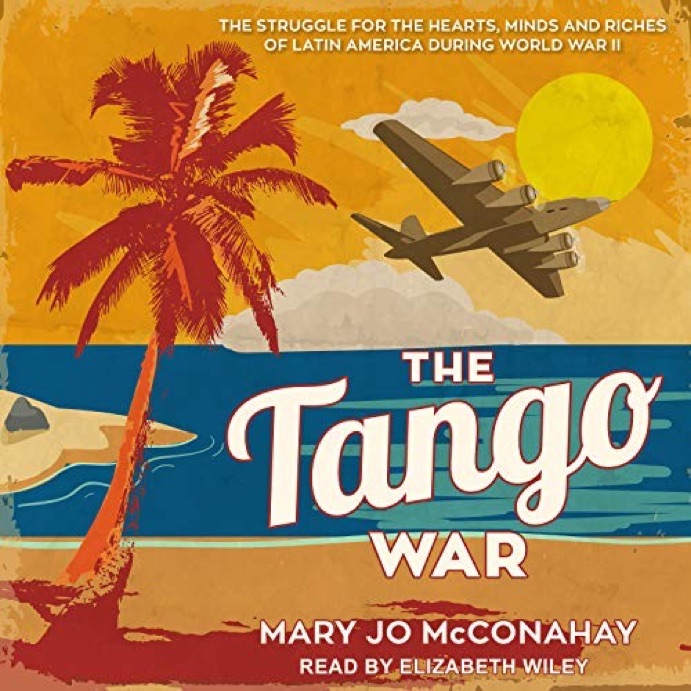
The Tango War: The Struggle for the Hearts, Minds and Resources of Latin America during World War II
Applying the lessons from "The Tango War: The Struggle for the Hearts, Minds and Resources of Latin America during World War II" by Mary Jo McConahay to your life can be a transformative exercise in understanding the interconnectedness of global systems and the ethical weight of leadership. Here are some ways you might integrate these lessons:
-
Evaluate Peripheral Threats and Opportunities: - In business, medicine, or aviation, the most significant challenges often emerge from overlooked sectors. Just as the U.S. initially underestimated the Axis influence in the Southern Hemisphere, you should consistently scan your "flanks" for emerging competitors, systemic risks, or untapped resources that are not immediately obvious in your primary theatre of operations.
-
Master the Nuances of Soft Power: - Nelson Rockefeller’s cultural diplomacy efforts demonstrate that rapport and influence are often more effective than raw authority. Whether you are leading a surgical team, a venture capital firm, or a legal defense, building genuine connections and understanding the cultural motivations of your partners is essential for long-term strategic success and organizational cohesion.
-
Account for the Human Cost of Rapid Scaling: - The story of the "Rubber Soldiers" is a stark reminder that the drive for resource acquisition can lead to the exploitation of the vulnerable. As an entrepreneur and physician, you must ensure that your pursuit of growth and efficiency does not come at the expense of the well-being of the individuals who power your organizations; sustainable leadership requires a balance of ambition and empathy.
-
Uphold Ethics During Crises: - The internment of Japanese-Latin Americans serves as a profound legal and moral warning. In your roles as an attorney and a leader, you must remain vigilant against "emergency" policies that compromise civil liberties or ethical standards, recognizing that decisions made in the heat of a crisis often create the most lasting stains on a legacy.
-
Navigate High-Stakes Alliances: - The U.S. had to collaborate with complex and often unsavory dictators to secure regional stability during the war. In the worlds of healthcare and finance, you will frequently face similar dilemmas; success requires the ability to manage "frenemy" relationships and strategic alliances without losing sight of your ultimate objective or your personal integrity.
-
Leverage the Power of Strategic Narrative: - The "Tango War" was fought with films and radio broadcasts as much as with intelligence reports. As an author and communicator, never underestimate the power of a compelling story to align disparate groups toward a common goal or to shift public perception during a period of transition or crisis.
By integrating these lessons, you can sharpen your ability to lead through complexity, ensuring that your strategic decisions are informed by history, tempered by ethics, and always mindful of the broader human context.
What the book covers
"The Tango War: The Struggle for the Hearts, Minds and Resources of Latin America during World War II" by Mary Jo McConahay is a comprehensive and gripping narrative of the often-overlooked Southern Front of the world's most devastating conflict. McConahay explores the high-stakes espionage, economic warfare, and cultural propaganda that played out across Latin America as the Axis and Allied powers vied for regional supremacy. It is a meticulously researched work of narrative history that reveals how the Western Hemisphere became a critical battleground for essential resources and ideological control, far beyond the well-known trenches of Europe and the Pacific.
Summary:
-
The Nazi Infiltration and the Fifth Column: - Long before the first shots were fired, Nazi Germany established a pervasive influence in South America through commercial ties and "soft power." German-owned companies like IG Farben and the airline SCADTA served as fronts for intelligence gathering and the dissemination of Nazi ideology. This "fifth column" posed a significant threat to U.S. security, particularly regarding the safety of the Panama Canal, and forced the American government to acknowledge that their southern neighbors were being actively courted by the enemy.
-
Cultural Diplomacy and the Good Neighbor Policy: - In response to Axis influence, Nelson Rockefeller led the Office of the Coordinator of Inter-American Affairs (OCIAA) to win the "hearts and minds" of Latin Americans. This involved a massive cultural counter-offensive, utilizing Hollywood stars, radio broadcasts, and even a goodwill tour by Walt Disney. By creating content like the film "Saludos Amigos," the U.S. aimed to foster a sense of Pan-American unity and replace the sophisticated European cultural ties that Germany and Italy had spent decades cultivating.
-
The Scramble for Vital War Resources: - When Japan seized the rubber plantations of Southeast Asia, the Allies became desperately dependent on the Amazon. The book details the "Rubber Project," which sent thousands of impoverished workers, known as "Rubber Soldiers," into the deep jungle under grueling and often lethal conditions to harvest the latex needed for tires and gas masks. This economic struggle extended to Bolivian tin, Chilean copper, and Mexican oil, turning the entire continent into a resource engine for the Allied war machine.
-
Espionage and Clandestine Operations: - Major cities like Mexico City, Rio de Janeiro, and Buenos Aires became nests of intrigue where spies from the FBI’s Special Intelligence Service and British intelligence worked to dismantle Nazi spy rings. McConahay vividly describes the cat-and-mouse games played by secret agents who monitored Allied shipping movements and attempted to sabotage Axis communications. These clandestine operations were vital in preventing German U-boats from receiving the intelligence necessary to decimate Allied convoys in the Atlantic.
-
The Tragedy of Japanese-Latin American Internment: - One of the most harrowing accounts in the book involves the U.S. government pressuring Latin American nations to arrest and deport thousands of residents of Japanese, German, and Italian descent. These individuals, many of whom were citizens of their respective Latin American countries, were kidnapped and sent to internment camps in the United States. McConahay reveals how these people were used as "bargaining chips" in prisoner exchanges with the Axis, highlighting a significant and often ignored human rights violation conducted by the Allies.
-
The Post-War Legacy and the Ratlines: - The narrative concludes by examining the aftermath of the war and how the region became a sanctuary for fleeing war criminals. The infamous "ratlines" allowed high-ranking Nazis to escape justice and settle in countries like Argentina and Brazil. This migration not only influenced the local politics of the Cold War era but also left a complex legacy of trauma and hidden identities that persisted for generations throughout the continent.
In "The Tango War," McConahay successfully illuminates a neglected chapter of history, proving that the struggle for Latin America was central to the global conflict. The book serves as a powerful reminder of the geopolitical complexity and the profound human cost of total war, even in regions far from the primary front lines.