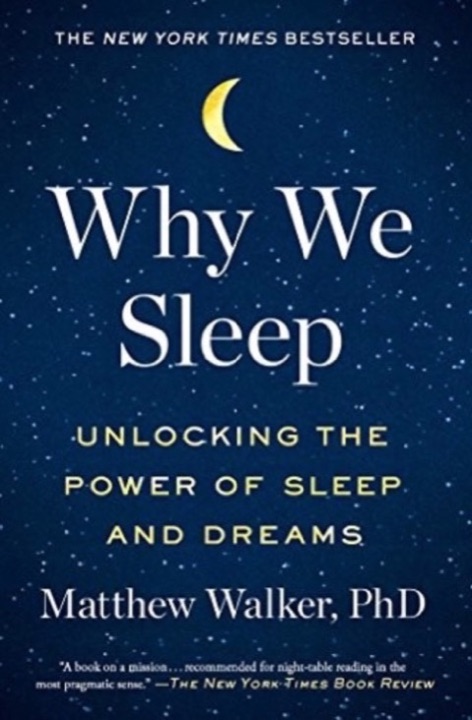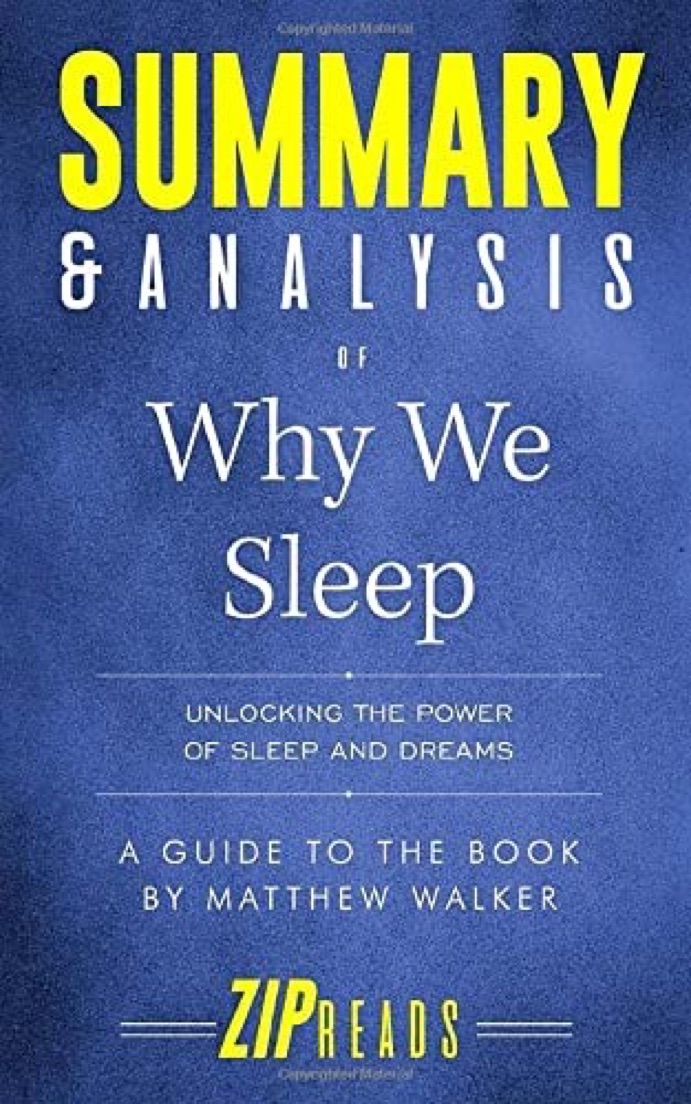
Summary & Analysis of Why We Sleep: Unlocking the Power of Sleep and Dreams
Applying the lessons from "Summary & Analysis of Why We Sleep: Unlocking the Power of Sleep and Dreams" by ZIP Reads to your life can be a transformative step toward peak performance and long-term health. Here are some ways you might integrate these lessons:
-
Sleep as a Performance Multiplier: - Whether you are in the cockpit, the emergency room, or the boardroom, recognize that sleep is not a passive state but an active period of cognitive optimization. You should treat your eight-hour sleep window as a non-negotiable appointment that enhances your decision-making and reaction times, much like any high-stakes professional briefing.
-
Strategic Learning for the Lifelong Student: - As a lifelong learner, you can leverage the memory-consolidating power of NREM sleep by reviewing new material shortly before bed. This allows your brain to hard-wire new information during the night, ensuring that the time you spend studying for a new certification or legal case is maximized for retention.
-
Mitigating Professional Risk: - In fields like medicine and aviation where safety is paramount, you must view sleep deprivation as a form of impairment similar to intoxication. By prioritizing rest, you protect yourself and others from the microsleeps and lapses in judgment that often lead to critical errors in high-pressure environments.
-
Entrepreneurial Health Management: - For the healthcare entrepreneur, understanding that sleep is the pillar of the immune system is vital for maintaining the stamina required to lead multiple ventures. Use this knowledge to build a corporate culture that rewards well-rested employees, as this will lead to higher creativity, fewer sick days, and a more resilient workforce.
-
Hacking the Sleep Environment: - Apply the science of circadian rhythms to your personal routine by manipulating light and temperature. You should eliminate blue light exposure from devices an hour before bed and keep your sleeping environment cool to facilitate the natural drop in core body temperature required for deep, restorative sleep.
-
Emotional Resilience in Leadership: - Use the REM stage's "overnight therapy" to handle the stresses of venture capital and leadership. Recognizing that a night of sleep provides the emotional recalibration necessary to face complex challenges with a level head will help you maintain the "humble" aspect of your mantra during difficult negotiations.
By integrating these lessons, you move beyond the "grind" culture and into a state of sustainable excellence. Prioritizing sleep ensures that your hunger for success is matched by the physiological capacity to achieve it, allowing you to lead with a sharp mind and a healthy body for decades to come.
What the book covers
"Summary & Analysis of Why We Sleep: Unlocking the Power of Sleep and Dreams" by ZIP Reads is a comprehensive distillation of neuroscientist Matthew Walker’s seminal work on the vital importance of slumber. The book explores the biological mechanisms behind circadian rhythms and sleep pressure, illustrating how sleep serves as the foundation of our physical and mental health. By synthesizing complex neurological research into accessible insights, it reveals the catastrophic consequences of the modern sleep-loss epidemic and provides actionable strategies for improvement.
Summary:
-
The Biological Clocks: - The book explains that sleep is governed by two main forces: the circadian rhythm, which is an internal twenty-four-hour clock controlled by the suprachiasmatic nucleus, and sleep pressure, caused by the buildup of a chemical called adenosine. When these two forces align, we experience a natural drive to sleep, but modern interventions like caffeine and artificial light frequently disrupt this delicate balance.
-
The Architecture of Sleep: - Sleep is not a monolithic state but a complex cycle between Non-Rapid Eye Movement (NREM) and Rapid Eye Movement (REM) sleep. NREM sleep is primarily responsible for weeding out unnecessary neural connections and consolidating memories, while REM sleep provides a form of "overnight therapy" and fosters creativity by making distant associations between stored information.
-
Cognitive Benefits and Learning: - Sleep is essential both before learning, to prepare the brain for making new memories, and after learning, to cement those memories into long-term storage. Without adequate rest, the brain’s ability to absorb and retain information drops significantly, which has profound implications for students, medical professionals, and lifelong learners alike.
-
Physical Health and Disease Prevention: - The text outlines the devastating physical toll of sleep deprivation, linking chronic lack of rest to increased risks of cardiovascular disease, obesity, and type 2 diabetes. Furthermore, it highlights the role of sleep in maintaining a robust immune system; even a single night of four hours of sleep can reduce natural killer cell activity by seventy percent.
-
The Link to Mental Health: - Sleep plays a critical role in emotional regulation and psychiatric health, as the REM stage helps the brain process difficult experiences and strip away the emotional charge from memories. Chronic sleep loss is shown to exacerbate conditions such as anxiety, depression, and even the early onset of Alzheimer’s disease through the buildup of amyloid plaques.
-
Societal and Institutional Impact: - The summary addresses how modern society, from early school start times to corporate cultures that value sleep deprivation, is systematically undermining human health. It argues that prioritizing sleep is not a sign of weakness but a biological necessity that would reduce healthcare costs, improve workplace safety, and increase overall economic productivity.
Ultimately, this work serves as a wake-up call regarding the biological necessity of rest in a world that often views sleep as an optional luxury. It emphasizes that reclaiming our sleep is the most effective way to enhance our cognitive performance, physical longevity, and emotional well-being.