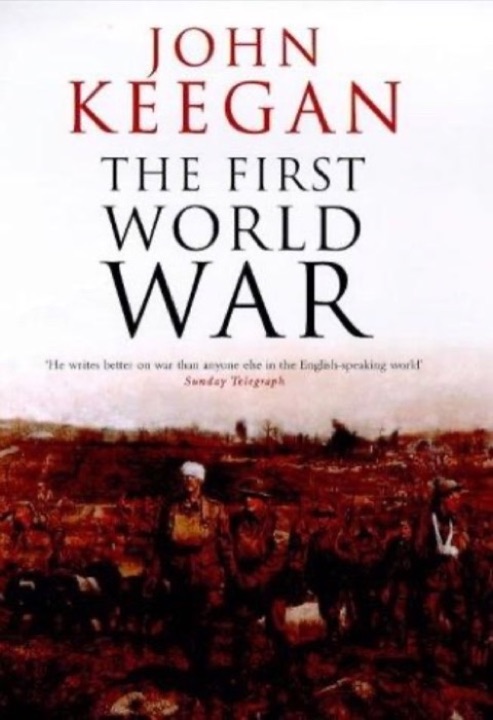
The First World War
Applying the lessons from John Keegan's "The First World War" to your life can offer valuable insights and guidance, particularly in understanding complex situations, the importance of resilience, and the impact of technological and social change. Here are some ways you might integrate these lessons:
-
Understanding Complex Causes: Just as the war was the result of a complex interplay of factors, recognize that personal and professional challenges often have multiple underlying causes. Approach these situations with a comprehensive perspective, considering all contributing factors before making decisions.
-
Resilience in the Face of Adversity: The immense human suffering and loss during the war underscore the importance of resilience. Your personal experiences, such as surviving plane crashes and overcoming challenges, already demonstrate this trait. Continue to draw on your resilience to navigate life's difficulties and support others in doing the same.
-
Embracing Technological Change: The war marked a turning point in military technology, much like the rapid technological advancements we see today. Stay forward-thinking and open to new technologies, leveraging them to improve your life and the lives of others, while remaining mindful of their potential risks.
-
Political and Social Awareness: The war reshaped the global political landscape, highlighting the importance of fair and sustainable peace agreements. In your advocacy work and personal interactions, strive for fairness and equality, promoting social justice and understanding.
-
Lessons in Diplomacy and Communication: The failure of diplomacy contributed to the outbreak of war. In your interactions, whether personal or professional, prioritize open communication and diplomacy. Your direct and humorous communication style can be an asset in diffusing tension and fostering understanding.
-
Learning from History: Just as Keegan emphasizes the importance of remembering the sacrifices of the past, reflect on your own experiences and the lessons they offer. Use these insights to guide your actions and decisions, ensuring you continue to grow and learn.
-
Valuing Human Connections: The war's impact on individuals and societies highlights the importance of human connections. Cherish your relationships with family and friends, and continue to approach others with kindness and empathy, recognizing the battles they may be facing.
By integrating these lessons into your life, you can continue to navigate challenges with resilience, embrace change, and foster meaningful connections, all while striving to leave the world a better place.
What the book covers
"The First World War" by John Keegan is a comprehensive historical analysis of World War I, offering insights into the causes, events, and consequences of the conflict. Keegan, a renowned military historian, provides a detailed narrative that combines strategic, political, and human perspectives to paint a vivid picture of the war.
Summary:
Causes of the War:
Keegan begins by exploring the complex web of alliances, militarism, nationalism, and imperial ambitions that set the stage for war. He delves into the political tensions in Europe, particularly the rivalry between the major powers like Germany, France, Britain, Austria-Hungary, and Russia. The assassination of Archduke Franz Ferdinand in 1914 is highlighted as the immediate catalyst that triggered the war.
Major Campaigns and Battles:
The book meticulously covers the major campaigns and battles of the war, including:
-
The Western Front: Keegan describes the trench warfare that defined much of the conflict, highlighting battles such as the Somme and Verdun. He examines the stalemate and the horrific conditions faced by soldiers.
-
The Eastern Front: The dynamics between Germany, Austria-Hungary, and Russia are explored, with attention to battles like Tannenberg and the Brusilov Offensive.
-
Other Fronts: Keegan also covers the war in the Middle East, Africa, and the naval battles, including the Battle of Jutland.
Technological and Tactical Developments:
Keegan discusses the technological advancements that emerged during the war, such as tanks, airplanes, and chemical weapons. He analyzes how these innovations changed warfare and contributed to the high casualty rates.
Political and Social Impact:
The book examines the political upheavals caused by the war, including the Russian Revolution and the eventual collapse of empires like Austria-Hungary and the Ottoman Empire. Keegan also addresses the social changes, such as the role of women in the workforce and the psychological impact on soldiers and civilians.
The End of the War and Its Aftermath:
Keegan details the events leading to the end of the war, including the entry of the United States and the eventual armistice in 1918. He discusses the Treaty of Versailles and its implications, setting the stage for future conflicts.
Key Takeaways and Lessons:
-
Complex Causes: The war was the result of a complex interplay of political, economic, and social factors. Understanding these causes is crucial to preventing future conflicts.
-
Human Cost: The immense human suffering and loss of life underscore the devastating impact of modern warfare. Keegan emphasizes the importance of remembering these sacrifices.
-
Technological Change: The war marked a turning point in military technology and tactics, demonstrating both the potential and the dangers of technological advancements in warfare.
-
Political Consequences: The war reshaped the global political landscape, leading to the rise and fall of empires and setting the stage for World War II. The importance of fair and sustainable peace agreements is highlighted.
-
Lessons in Diplomacy: The failure of diplomacy and the rigid alliance systems contributed to the outbreak of war. Keegan suggests that flexible and open diplomatic channels are essential for maintaining peace.
Overall, John Keegan's "The First World War" provides a thorough and insightful examination of one of the most significant conflicts in history, offering valuable lessons on the complexities of war and the importance of striving for peace.