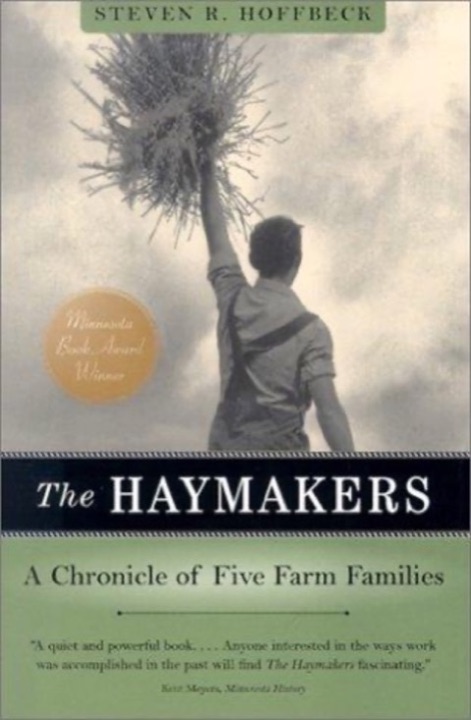
The Haymakers: A Chronicle of Five Farm Families
To apply the lessons from "The Haymakers: A Chronicle of Five Farm Families" by Steven R. Hoffbeck to your life, consider the following approaches based on the key themes and insights from the book:
-
Resilience and Adaptability: Reflect on your past experiences, such as surviving plane crashes and overcoming personal challenges. Use these experiences to reinforce your resilience and adaptability. Embrace change and uncertainty as opportunities for growth, much like the farm families adapted to technological and economic shifts.
-
Community and Cooperation: Value the importance of community and cooperation in your personal and professional life. Just as haymaking was a communal activity, seek out opportunities to collaborate with others, whether in your advocacy work or daily interactions. Foster strong relationships with family, friends, and colleagues, emphasizing mutual support and shared goals.
-
Cultural Heritage: Recognize and preserve the cultural traditions and values that are meaningful to you. Whether it's through your hobbies, such as cooking or flying, or your interactions with your grandchild, find ways to connect with and pass on these traditions, much like the farm families did with haymaking.
-
Impact of Technology: Maintain a balanced view of technology's role in your life. While you are forward-thinking about technological advancements, ensure that you also consider their impact on traditional ways of life and personal interactions. Use technology to enhance your experiences and relationships, but remain mindful of its potential drawbacks.
-
Environmental Stewardship: Apply the lessons of environmental stewardship to your lifestyle. Consider how your actions and choices impact the environment and strive for sustainable practices, whether in your personal habits or professional endeavors. This aligns with your hopes for leveraging technology for the betterment of mankind.
By integrating these lessons into your life, you can continue to build on your strengths of resilience, humor, kindness, and empathy while fostering a deeper connection with your community and environment.
What the book covers
"The Haymakers: A Chronicle of Five Farm Families" by Steven R. Hoffbeck (not John Wilford) is a historical account that delves into the lives of five farm families in the Midwest, focusing on their experiences with haymaking. The book provides a detailed exploration of the agricultural practices, challenges, and cultural significance of haymaking in rural America.
Summary:
-
Historical Context: The book sets the stage by describing the historical importance of hay in American agriculture. Hay was crucial for feeding livestock, which in turn supported the livelihoods of farm families. The narrative spans several generations, highlighting how haymaking evolved with technological advancements and changing economic conditions.
-
Family Narratives: Hoffbeck weaves together the stories of five different families, each representing a unique perspective on farming life. These narratives provide insight into the daily struggles and triumphs of rural living, emphasizing the hard work, resilience, and community spirit that characterized these families.
-
Technological and Economic Changes: The book examines how technological innovations, such as the introduction of mechanized equipment, transformed haymaking practices. It also discusses the economic pressures faced by farmers, including fluctuating market prices and the impact of government policies.
-
Cultural Significance: Beyond the economic and practical aspects, Hoffbeck explores the cultural and social dimensions of haymaking. The process of making hay was not just a chore but a communal activity that brought families and neighbors together, reinforcing social bonds and traditions.
-
Environmental Challenges: The narrative also touches on the environmental challenges faced by farmers, such as unpredictable weather and soil depletion. These challenges required adaptability and ingenuity, further highlighting the resilience of the farming community.
Key Takeaways and Lessons:
-
Resilience and Adaptability: The stories of these farm families underscore the importance of resilience and adaptability in the face of changing circumstances. Whether dealing with technological shifts or economic pressures, the ability to adapt was crucial for survival and success.
-
Community and Cooperation: The book highlights the role of community and cooperation in rural life. Haymaking was often a collective effort, and the support of neighbors and family was essential in overcoming challenges.
-
Cultural Heritage: Haymaking is portrayed as more than just an agricultural task; it is a cultural tradition that carries significant meaning for those involved. Preserving these traditions is important for maintaining a connection to the past.
-
Impact of Technology: While technological advancements brought efficiency and increased productivity, they also introduced new challenges and altered traditional ways of life. The book encourages a balanced view of technology's role in agriculture.
-
Environmental Stewardship: The environmental aspects of farming are a recurring theme, emphasizing the need for sustainable practices to ensure the long-term viability of agriculture.
Overall, "The Haymakers" provides a rich, multifaceted look at the lives of farm families, offering valuable insights into the complexities of rural life and the enduring spirit of those who work the land.