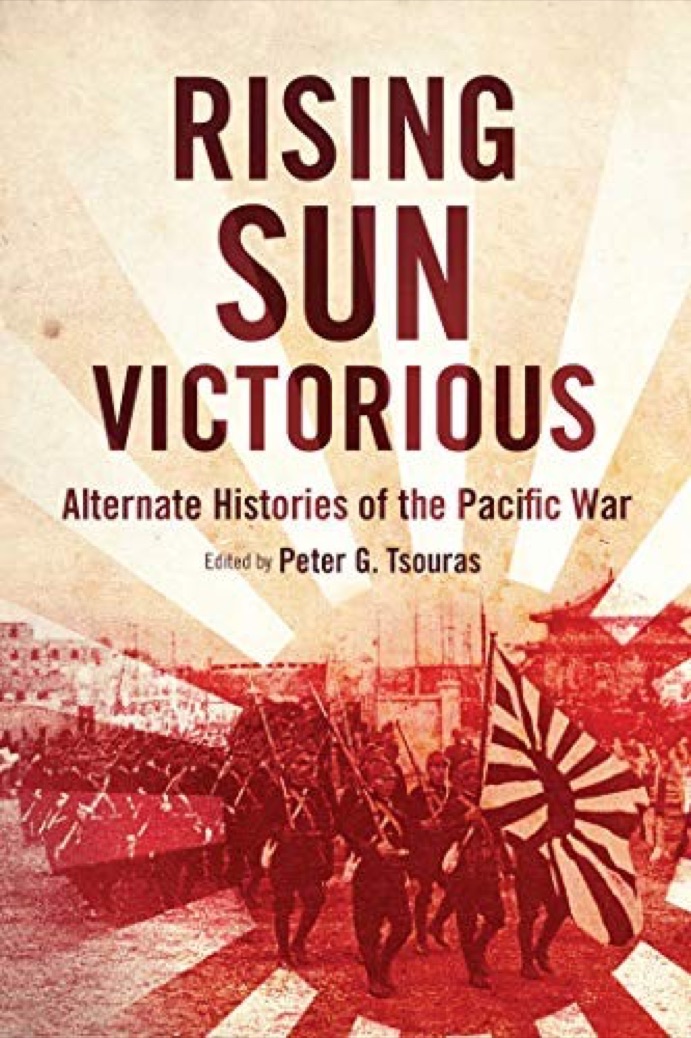
Rising Sun Victorious: The Alternate History of How the Japanese Won the Pacific War
Applying the lessons from "Rising Sun Victorious: The Alternate History of How the Japanese Won the Pacific War" by Peter G. Tsouras to your life can be a transformative exercise in strategic foresight and humility. Here are some ways you might integrate these lessons:
- Recognize the Role of Contingency: - You must understand that even the most successful outcomes in medicine, law, or entrepreneurship are often balanced on a knife-edge of luck and timing. By acknowledging the fragility of your achievements, you can avoid the "illusion of inevitability" and remain vigilant against the small, overlooked variables that can lead to catastrophic failure in high-stakes environments.
- Combat Strategic Hubris and Inertia: - The book illustrates how Japanese leaders were often blinded by their own past successes, leading to rigid thinking; you should apply this by constantly auditing your own operational dogmas. Whether you are managing a venture capital portfolio or a surgical team, the ability to discard a failing strategy—even one that worked yesterday—is the hallmark of a truly humble and effective leader.
- Master the Logistics of Your Life: - Just as the Japanese failure to protect their supply lines or target the enemy's logistics proved fatal, your personal and professional success depends on the robustness of your underlying systems. You must prioritize the "unsexy" aspects of your ventures—infrastructure, cash flow, and administrative health—because no amount of tactical brilliance can overcome a fundamental failure in your logistical foundation.
- Utilize Counterfactual Reflection: - You should adopt the practice of "What If" analysis for your own decision-making process by conducting regular pre-mortems on your current projects. By imagining scenarios where your plans fail, you can identify hidden vulnerabilities and develop the necessary contingencies before a crisis occurs, rather than being forced to react under extreme pressure.
- Understand the Resolve of Your Opposition: - The historical scenarios in the book often hinge on a misunderstanding of the enemy’s will; in your negotiations and competitive ventures, you must strive for a deep, empathetic understanding of your counterpart's motivations. Never underestimate the resilience of a competitor or the potential for a desperate opponent to innovate in ways you have not yet anticipated.
- Embrace the "Stay Hungry, Stay Humble" Mantra: - This book reinforces your core philosophy by showing that the moment a leader believes they have won for good is the moment they become most vulnerable. You must maintain a constant state of learning and curiosity, treating every victory not as a destination but as a temporary reprieve that requires renewed focus and effort to sustain.
By integrating these lessons, you move beyond a simple understanding of historical facts to a sophisticated grasp of the mechanics of success and failure. This perspective fosters a mindset that is simultaneously aggressive in its pursuit of excellence and deeply grounded in the reality of risk, ensuring that you remain a pilot of your own destiny rather than a passenger of circumstance.
What the book covers
"Rising Sun Victorious: The Alternate History of How the Japanese Won the Pacific War" by Peter G. Tsouras is a meticulously researched anthology that challenges the traditional narrative of Allied inevitability in World War II. Through a series of essays by ten renowned military historians, the book explores critical turning points where the Pacific War could have taken a drastically different course. By altering a single variable—a tactical decision, a weather pattern, or a technological breakthrough—these experts reconstruct a reality where the Imperial Japanese Navy and Army achieve strategic dominance. The work functions not merely as speculative fiction but as a rigorous exercise in military analysis, highlighting how the thin veneer of historical outcome often masks a chaotic array of possibilities.
Summary:
- The Third Wave at Pearl Harbor: - This scenario examines the strategic impact if Admiral Nagumo had launched a third air strike to destroy the fuel tank farms and submarine base facilities at Pearl Harbor. The loss of these assets would have forced the U.S. Pacific Fleet to retreat to the West Coast, delaying any American counter-offensive by over a year and allowing Japan to solidify its defensive perimeter.
- A Japanese Victory at Midway: - Historians analyze a timeline where Japanese scout planes locate the American carriers sooner or where the American dive-bombers fail to arrive simultaneously. The resulting destruction of the U.S. carrier force removes the primary obstacle to Japanese expansion, leading to the eventual occupation of Midway Island and the continued isolation of Hawaii.
- The Invasion and Isolation of Australia: - This section explores the potential for a Japanese land invasion of Northern Australia combined with a naval blockade that cuts vital supply lines from the United States. By seizing key ports, Japan effectively removes Australia from the war as a functional Allied base, forcing the government in Canberra to seek a separate peace to avoid total occupation.
- Aggressive Submarine Doctrine: - The book posits a scenario where the Imperial Japanese Navy ignores its traditional focus on attacking capital ships and instead initiates a relentless campaign against Allied merchant shipping. By targeting the logistical tail of the American "Island Hopping" strategy, Japan’s submarine force creates a supply crisis that halts the Allied advance in the South Pacific.
- The Combined Axis Threat in the Indian Ocean: - One chapter details a successful Japanese foray into the Indian Ocean that coincides with a German breakthrough in North Africa. This coordinated effort results in the fall of the Suez Canal and the destruction of the British Eastern Fleet, granting the Axis powers control over Middle Eastern oil and creating a contiguous zone of control.
- The Sho-Go Plan and the Defense of the Philippines: - This analysis looks at a more disciplined execution of the Japanese naval response to the invasion of Leyte Gulf. By successfully drawing away the American Third Fleet and closing the pincer on the vulnerable landing forces, the Japanese military inflicts a catastrophic defeat on Douglas MacArthur’s forces, potentially ending the American drive toward the home islands.
- The Failure of the Manhattan Project: - The final essays contemplate a world where the United States fails to develop the atomic bomb in time, necessitating Operation Downfall—the full-scale invasion of Japan. Facing the "Ketsu-Go" defense and millions of mobilized civilians, the U.S. suffers such staggering casualties that the American public demands a cessation of hostilities, resulting in a negotiated settlement.
Through its expert use of counterfactual analysis, Rising Sun Victorious serves as a profound reminder that history is not a predetermined path but a series of fragile moments. It emphasizes that the Allied victory was not guaranteed, but was instead the hard-won result of specific choices that could easily have gone the other way.