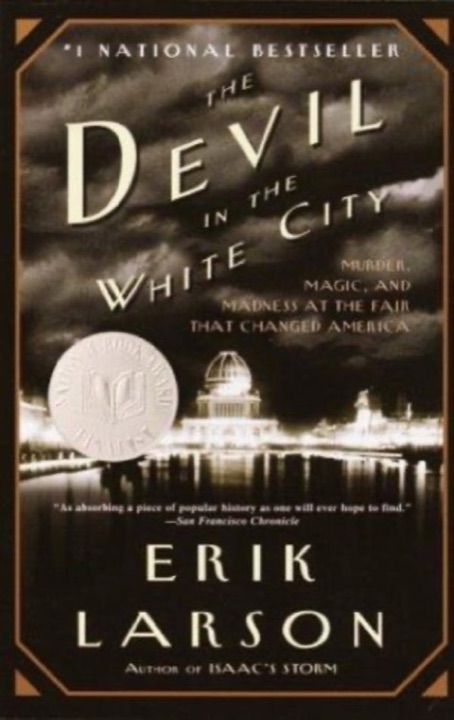
The Devil in the White City
Applying the lessons from "The Devil in the White City" by Erik Larson to your life can be insightful, especially given your rich experiences and personal philosophy. Here are some ways you might integrate these lessons:
-
Vision and Perseverance: - Like Daniel Burnham, you can continue to pursue your goals with determination and resilience. Your experiences, such as surviving near-death situations, already demonstrate your perseverance. Use this strength to tackle new challenges, whether it's trying skydiving or advocating for social issues.
-
The Duality of Progress: - Recognize that progress often comes with challenges and setbacks. Your belief in kindness and empathy can help you navigate the complexities of societal changes, such as those you've observed in civil rights and political landscapes. Continue to be a force for positive change while acknowledging the darker aspects of progress.
-
Human Nature and Deception: - Stay vigilant about the potential for deception and manipulation in various aspects of life. Your direct and humorous communication style can help you maintain transparency and authenticity in your interactions, ensuring that you remain true to your values.
-
Impact of Collaborative Efforts: - Embrace the power of collaboration, as demonstrated by the success of the World's Fair. Whether in your professional life or personal endeavors, leverage your network and work with others to achieve common goals, such as your advocacy work or personal aspirations.
-
Historical Context and Personal Growth: - Reflect on how historical and cultural events have shaped your worldview and personal growth. Your experiences, such as standing up for a friend or navigating political changes, highlight your ability to adapt and learn from the past. Use these insights to continue evolving and contributing positively to society.
By integrating these lessons into your life, you can further enhance your resilience, empathy, and commitment to making a difference, both personally and in the broader world.
What the book covers
"The Devil in the White City: Murder, Magic, and Madness at the Fair That Changed America" by Erik Larson is a non-fiction book that intertwines the true stories of two men: Daniel H. Burnham, the architect behind the 1893 World's Columbian Exposition in Chicago, and Dr. H.H. Holmes, a serial killer who exploited the fair to lure his victims.
Summary:
Part One: The Fair - The book begins with the selection of Chicago as the host city for the 1893 World's Fair, also known as the World's Columbian Exposition, celebrating the 400th anniversary of Christopher Columbus's arrival in the New World. - Daniel H. Burnham, a prominent architect, is chosen to lead the fair's construction. He faces immense challenges, including tight deadlines, financial constraints, and the pressure to outshine the 1889 Paris Exposition, which featured the Eiffel Tower. - Burnham assembles a team of the nation's top architects and designers, including Frederick Law Olmsted, the landscape architect behind Central Park, to create a dazzling "White City" on the shores of Lake Michigan. - Despite numerous obstacles, including labor strikes, weather issues, and the death of his partner, John Root, Burnham perseveres and the fair opens to great acclaim.
Part Two: The Murderer - Parallel to the story of the fair, Larson introduces Dr. H.H. Holmes, a charismatic and cunning con artist who builds a hotel near the fairgrounds, later dubbed the "Murder Castle." - Holmes uses the fair as an opportunity to lure young women to his hotel, where he seduces, manipulates, and ultimately murders them. The building is equipped with secret passages, soundproof rooms, and a crematorium. - Holmes's charm and intelligence allow him to evade suspicion and capture for a time, as he continues his spree of fraud and murder.
Part Three: The Intersection - As the fair progresses, it becomes a symbol of American ingenuity and progress, showcasing innovations like the Ferris Wheel, electric lights, and new consumer products. - The fair's success is marred by the economic depression of 1893 and the assassination of Chicago's mayor, Carter Harrison Sr., just days before the fair's closing. - Holmes's crimes eventually catch up with him, leading to his arrest and trial. He is convicted of murder and hanged in 1896.
Key Takeaways and Lessons:
-
Vision and Perseverance: - Daniel Burnham's story exemplifies the power of vision and determination. Despite overwhelming challenges, his leadership and commitment to excellence resulted in a transformative event that left a lasting impact on architecture and urban planning.
-
The Duality of Progress: - The juxtaposition of the fair's grandeur and Holmes's gruesome crimes highlights the dual nature of progress. While the fair symbolized innovation and hope, it also provided a backdrop for darkness and exploitation.
-
Human Nature and Deception: - Holmes's ability to deceive and manipulate underscores the darker aspects of human nature. His story serves as a cautionary tale about the dangers of unchecked charisma and the importance of vigilance.
-
Impact of the World's Fair: - The 1893 World's Fair had a profound influence on American culture, introducing new technologies and ideas that shaped the future. It demonstrated the potential of collaborative efforts and the importance of setting ambitious goals.
-
Historical Context: - The book provides insight into the social, economic, and cultural landscape of late 19th-century America, illustrating the complexities of a rapidly changing society.
Overall, "The Devil in the White City" is a compelling narrative that weaves together themes of ambition, innovation, and the darker sides of human nature, offering readers a vivid portrayal of a pivotal moment in American history.