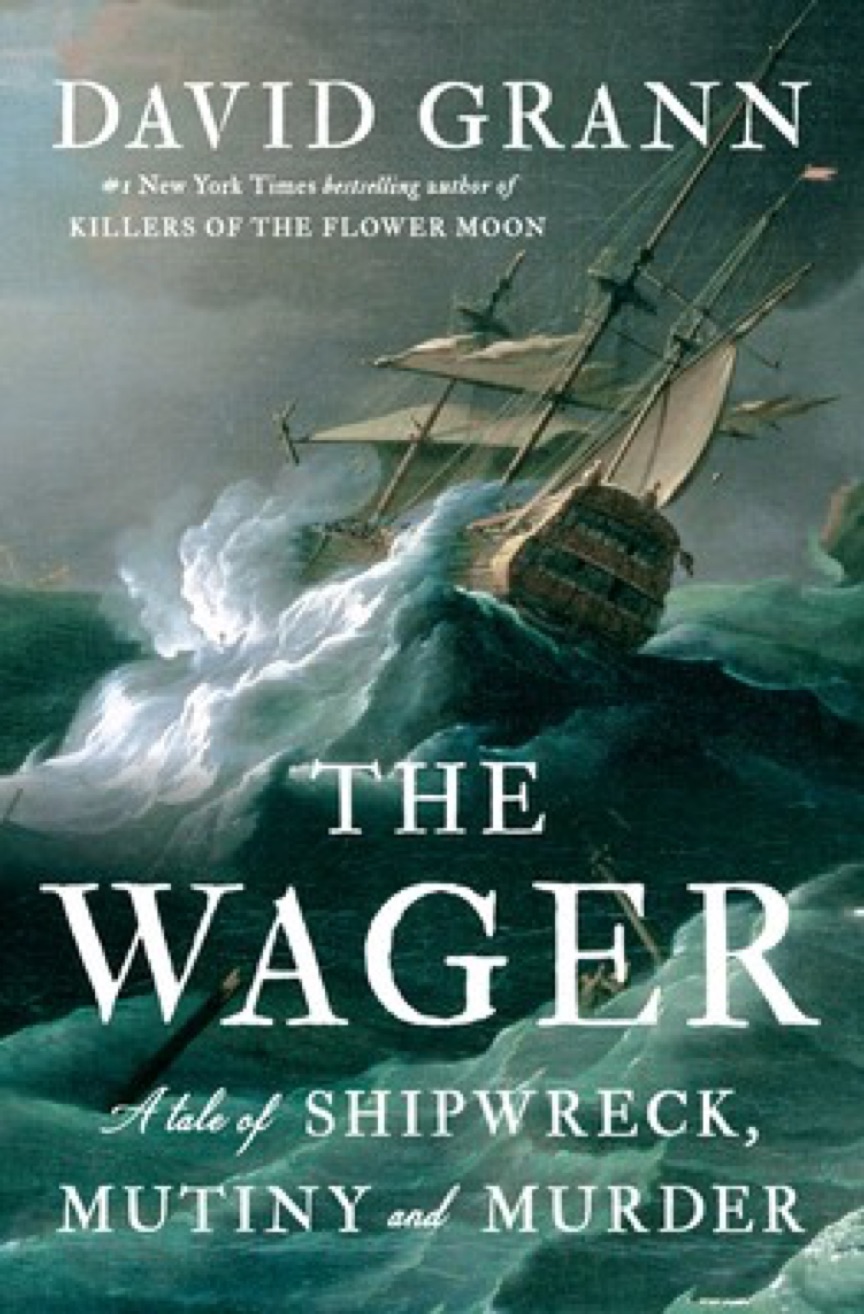
The Wager: A Tale of Shipwreck, Mutiny and Murder
Applying the lessons from "The Wager" by David Grann to your life can be a sobering reminder that leadership is a privilege that can be revoked by those you lead if you lose their trust and moral authority. Here are some ways you might integrate these lessons:
- Maintain Composure in the Cockpit of Crisis: Just as a pilot must remain calm during a dual-engine failure, you must recognize that your team looks to you for emotional stability during organizational storms. When Captain Cheap allowed his ego and temper to dictate his actions, he lost the "cockpit" and his crew’s respect. - You should practice "deliberate calm," ensuring that your decisions are rooted in objective reality and the safety of the crew rather than the stress of the moment or a need for personal vindication.
- Establish a Culture of Unified Purpose Early: The Wager was doomed partly because its crew was a fragmented group with no shared values or mutual trust before the crisis hit. In your healthcare ventures or legal practice, you must ensure that every member of the team is bought into the mission before the environment becomes hostile. - Invest time in building a cohesive culture during quiet times so that the organizational bonds are strong enough to withstand the inevitable pressures of rapid scaling or unexpected setbacks.
- Navigate Moral Gray Zones with Integrity: As a physician and an attorney, you often deal with situations where there is no clear right answer, only a choice between two difficult options. Grann’s account shows that in such moments, your internal moral compass is the only thing that prevents a total breakdown of character. - You must develop a personal ethical framework that transcends your professional titles, allowing you to make difficult calls that you can defend in any "court" of public or professional opinion.
- Adaptability as a Survival Metric: John Bulkeley survived because he was willing to innovate, turning a wrecked ship's longboat into a seaworthy vessel against all odds. In entrepreneurship, sticking to a failing plan out of stubbornness or tradition is often a death sentence. - You should remain "hungry" for new solutions and "humble" enough to pivot when the environment changes, even if it means abandoning your original strategy to ensure the survival of the enterprise.
- Understand the Power and Responsibility of the Narrative: Every business and every career is a story being told to the world. The survivors of the Wager knew that the person who told the most compelling story won the trial. - You should be intentional about how you frame your successes and failures, ensuring that your narrative is built on a foundation of integrity so it survives the scrutiny of stakeholders, partners, and history.
By integrating these lessons, you will become a more resilient leader who is capable of guiding complex organizations through the most turbulent environments while maintaining the trust and loyalty of those you serve.
What the book covers
"The Wager: A Tale of Shipwreck, Mutiny and Murder" by David Grann is a masterfully researched historical account of the HMS Wager, a British vessel that set sail in 1740 as part of a secret mission to capture a Spanish galleon. The book provides a visceral examination of human endurance, documenting how a crew of hundreds was reduced to a handful of emaciated survivors following a catastrophic shipwreck off the coast of Patagonia. Grann uses the incident as a lens to explore themes of imperial hubris, the breakdown of social order, and the subjective nature of truth as the survivors eventually return to England to face trial for their lives.
Summary:
- The Grand Ambition and Fatal Flaws: The story begins with the British Empire launching a squadron under Commodore George Anson to harass Spanish interests in the Pacific during the War of Jenkins' Ear. The Wager, a former merchant ship turned man-of-war, is manned by a motley crew of seasoned sailors and "invalids"—aged and infirm veterans pressed into service—setting the stage for organizational disaster before the fleet even leaves the harbor. - Grann highlights the systemic failures of the British Admiralty, including poor vessel selection and a lack of cohesive culture, which left the crew ill-prepared for the extreme trials ahead.
- The Descent into the Abyss: As the fleet attempts to round Cape Horn, they encounter the most violent seas on Earth, with waves reaching ninety feet and winds that tear sails to shreds. Grann vividly describes the physical toll of scurvy, which rots the men's bodies from the inside out, and the psychological terror of the "screaming sixties," which separates the Wager from the rest of the squadron. - This section emphasizes the transition from a structured naval environment to a state of raw survival where traditional ranks and social norms begin to lose their meaning under the weight of unrelenting catastrophe.
- The Shipwreck and the Struggle for Sovereignty: The Wager eventually drives onto the rocks of a desolate island off the coast of Patagonia, leaving the survivors stranded in a freezing, barren landscape. On "Wager Island," the crew splits into factions: Captain David Cheap insists on maintaining rigid naval discipline and his plan to continue the mission, while the ship’s gunner, John Bulkeley, advocates for a democratic approach to survival. - This conflict illustrates the tension between hierarchical leadership and the pragmatic needs of a group facing an existential crisis, as Bulkeley challenges the Captain's legal authority to lead on land.
- The Act of Mutiny: The situation reaches a breaking point when Captain Cheap, gripped by paranoia and the need to reassert control, shoots an unarmed young midshipman. This act of violence allows Bulkeley and the majority of the men to arrest the captain and brand him a tyrant, justifying their decision to abandon him and sail for home in a makeshift boat. - Grann details the technical brilliance required to navigate the small craft through 3,000 miles of treacherous waters, contrasting the mutineers' maritime skill with the moral decay of their betrayal.
- The Battle of Narratives: Upon their return to England, the survivors do not find a hero's welcome but a court martial that could result in their execution. Bulkeley and Cheap release competing accounts of the events, each framing himself as the hero and the other as the villain, aware that the "truth" is a commodity that will determine who lives. - This section explores how individuals curate history to preserve their reputations, a process Grann compares to the way empires justify their own failures to maintain a sense of national destiny.
- The Verdict and Imperial Legacy: The British Admiralty eventually delivers a verdict that avoids a deep investigation into the mutiny to protect the image of the Royal Navy and the British Empire's expansionist goals. The book concludes by reflecting on how the story of the Wager was sanitized for public consumption, hiding the darker realities of human nature. - Grann posits that the real "wager" was not just on survival, but on whose story would ultimately be believed by history, illustrating how narratives are often shaped by power rather than facts.
The book serves as a profound meditation on the fragility of civilization and the lengths to which people will go to survive and then justify their actions. It remains a definitive account of leadership failure and the incredible, albeit flawed, resilience of the human spirit.