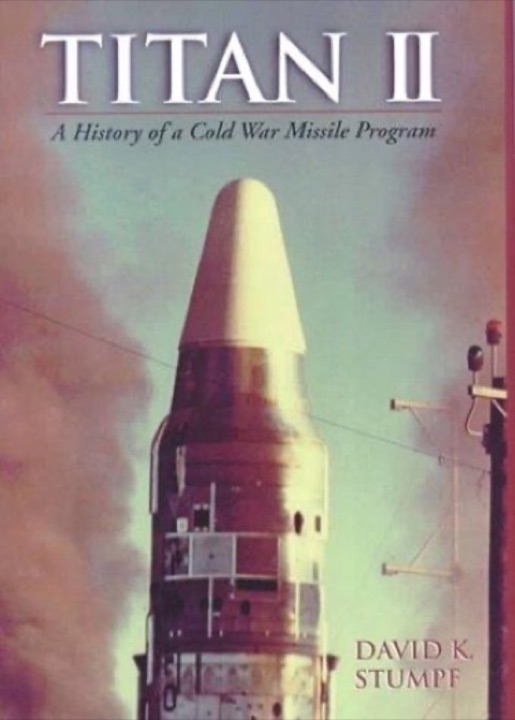
Titan II: A History of a Cold War Missile Program
Applying the lessons from "Titan II: A History of a Cold War Missile Program" by David K. Stumpf to your life can be insightful, especially considering your experiences and values. Here are some ways you might integrate these lessons:
-
Technological Innovation: - Embrace the rapid pace of technological change in your personal and professional life. Given your interest in flying and technology, stay curious and open to learning about new advancements that can enhance your hobbies and career.
-
Strategic Deterrence: - Apply the concept of strategic deterrence to your personal and professional relationships. Just as the Titan II served as a deterrent, consider how you can use your strengths, such as resilience and humor, to navigate challenges and prevent conflicts.
-
Operational Challenges: - Recognize the importance of rigorous safety protocols and training in your activities, especially in flying. Your calm decision-making in emergencies aligns with the need for careful preparation and response to potential risks.
-
Historical Context: - Use your understanding of historical and geopolitical dynamics to inform your perspectives on current social and political issues. Your passion for equality and civil rights can be strengthened by learning from past events and applying those lessons to advocate for positive change.
-
Legacy and Lessons: - Reflect on the legacy you wish to leave behind, much like the Titan II program's impact. Your desire to be remembered as someone who lived fully and kindly can guide your actions and decisions, ensuring you make meaningful contributions to your family and society.
By integrating these lessons, you can continue to grow and make informed decisions that align with your values and aspirations, while also contributing positively to the world around you.
What the book covers
"Titan II: A History of a Cold War Missile Program" by David K. Stumpf is a comprehensive examination of the Titan II missile program, which played a significant role during the Cold War era. The book delves into the development, deployment, and eventual decommissioning of the Titan II intercontinental ballistic missile (ICBM) system, providing insights into its technological, strategic, and political aspects.
Summary:
-
Development and Design: - The book begins with the origins of the Titan II program, tracing its development from the earlier Titan I missile. It highlights the technological advancements that made Titan II a more powerful and reliable missile, including its use of storable liquid propellants, which allowed for quicker launch readiness compared to its predecessors.
-
Strategic Role: - Stumpf explores the strategic importance of the Titan II within the context of the Cold War. The missile was a critical component of the United States' nuclear deterrent strategy, designed to ensure a second-strike capability in the event of a nuclear attack by the Soviet Union.
-
Deployment and Operations: - The book provides detailed accounts of the deployment of Titan II missiles across various sites in the United States. It discusses the operational challenges faced by the Air Force personnel responsible for maintaining and operating these complex systems.
-
Accidents and Safety Concerns: - Stumpf does not shy away from discussing the accidents and safety issues associated with the Titan II program. Notably, he covers the infamous 1980 Damascus incident, where a fuel leak led to an explosion in a missile silo in Arkansas, highlighting the inherent risks of handling nuclear weapons.
-
Decommissioning: - The narrative concludes with the decommissioning of the Titan II missiles in the 1980s and early 1990s, as newer technologies and arms reduction treaties rendered them obsolete. The book examines the dismantling process and the legacy of the Titan II program.
Key Takeaways and Lessons:
- Technological Innovation:
-
The Titan II program exemplifies the rapid pace of technological innovation during the Cold War, driven by the need for more effective and reliable nuclear deterrents.
-
Strategic Deterrence:
-
The program underscores the importance of strategic deterrence in maintaining global stability during the Cold War, highlighting how the presence of powerful weapons systems can prevent conflict through the threat of mutually assured destruction.
-
Operational Challenges:
-
The book illustrates the significant operational challenges and risks associated with managing a nuclear arsenal, emphasizing the need for rigorous safety protocols and training.
-
Historical Context:
-
Understanding the Titan II program provides valuable insights into the broader geopolitical dynamics of the Cold War, including the arms race and the complex interplay between technological advancement and international diplomacy.
-
Legacy and Lessons:
- The legacy of the Titan II program serves as a reminder of the potential dangers of nuclear weapons and the importance of continued efforts towards arms control and non-proliferation to ensure global security.
Overall, David K. Stumpf's "Titan II: A History of a Cold War Missile Program" offers a detailed and nuanced account of one of the most significant missile programs in U.S. history, providing readers with a deeper understanding of the technological, strategic, and human elements involved in the Cold War nuclear arms race.