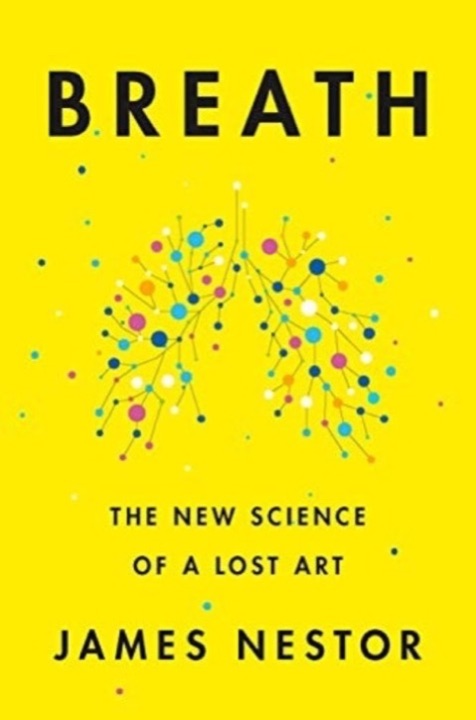
Breath: The New Science of a Lost Art
Given your rich life experiences and personal philosophy, you can apply the lessons from "Breath: The New Science of a Lost Art" by James Nestor in several meaningful ways:
-
Integrate Breathing Techniques into Daily Routine: - Since you already have a structured morning routine, consider incorporating specific breathing exercises, such as Buteyko or pranayama, to enhance your physical and mental well-being. This could be done during your Peloton workout or as a separate mindfulness practice.
-
Emphasize Nasal Breathing: - Make a conscious effort to practice nasal breathing throughout the day, especially during activities like exercising or flying. This can improve oxygen uptake and overall health, aligning with your goal of maintaining a healthy lifestyle.
-
Use Breathing for Stress Management: - Given your experience in high-stress situations, such as emergency department scenarios and plane crashes, you can use slow, deep breathing techniques to maintain calmness and composure. This aligns with your approach to being the calmest person in the room during crises.
-
Enhance Mindfulness and Presence: - Since living in the moment is an aspiration of yours, use breathing exercises as a tool to cultivate mindfulness. This can help you stay present and appreciate each moment, contributing to your personal growth and happiness.
-
Improve Sleep and Recovery: - Explore how breathing techniques can enhance sleep quality and recovery, which are crucial for your active lifestyle. Proper breathing can support better rest and rejuvenation, helping you maintain your energy levels for your various activities.
-
Share Knowledge with Family and Friends: - Given your close relationship with your family, consider sharing the insights from the book with them. Encouraging them to adopt healthy breathing habits can contribute to their well-being, aligning with your concern for their health.
-
Incorporate Breathing into Advocacy Work: - As someone passionate about social issues, you can explore how breathing techniques might benefit those you advocate for, such as individuals recovering from trauma. Teaching them these techniques could be a valuable addition to your activism efforts.
By integrating these lessons into your life, you can enhance your well-being and continue to live with the resilience, kindness, and empathy that define your character.
What the book covers
"Breath: The New Science of a Lost Art" by James Nestor explores the vital yet often overlooked role of breathing in human health and well-being. Nestor delves into the science and history of breathing, uncovering how modern lifestyles have led to poor breathing habits and the subsequent health issues that arise from them. The book combines scientific research, historical insights, and personal anecdotes to present a compelling case for the importance of proper breathing techniques.
Summary:
-
Historical Context and Evolution: - Nestor begins by examining the evolution of human breathing. He explains how changes in diet and lifestyle over millennia have altered the structure of the human skull and airways, leading to widespread breathing problems. - The book highlights ancient cultures that understood the importance of breath, such as the yogis of India and the Taoists of China, who developed sophisticated breathing techniques to enhance health and longevity.
-
Scientific Exploration: - Nestor investigates the latest scientific research on breathing, revealing how it affects various aspects of health, including sleep, athletic performance, and mental well-being. - He discusses the role of carbon dioxide in the body and how modern breathing patterns often lead to an imbalance, resulting in issues like anxiety and fatigue.
-
Personal Experiments: - Throughout the book, Nestor shares his personal experiments with different breathing techniques. He collaborates with scientists and practitioners to test the effects of these methods on his own body. - One notable experiment involves deliberately altering his breathing patterns to mimic common modern habits, which leads to a decline in his health, illustrating the impact of poor breathing.
-
Breathing Techniques: - The book introduces various breathing techniques, such as Buteyko, pranayama, and Tummo, each with its own benefits and applications. - Nestor emphasizes the importance of nasal breathing over mouth breathing, explaining how it filters, warms, and humidifies the air, leading to better oxygen absorption and overall health.
-
Health Implications: - Nestor connects poor breathing habits to a range of health issues, including sleep apnea, asthma, and even dental problems. - He argues that many modern ailments could be alleviated or prevented by simply improving the way we breathe.
Key Takeaways and Lessons:
-
Nasal Breathing is Crucial: Breathing through the nose is more beneficial than mouth breathing. It improves oxygen uptake, supports the immune system, and enhances overall health.
-
Slow and Deep Breathing: Practicing slow, deep breathing can reduce stress, improve cardiovascular health, and enhance mental clarity.
-
Balance of Oxygen and Carbon Dioxide: Maintaining a proper balance of oxygen and carbon dioxide is essential for optimal health. Over-breathing can lead to a deficiency in carbon dioxide, which is necessary for oxygen delivery to cells.
-
Breathing Techniques Can Transform Health: Techniques like Buteyko and pranayama can help manage conditions such as asthma, anxiety, and hypertension.
-
Awareness and Practice: Developing awareness of one's breathing patterns and practicing intentional breathing can lead to significant improvements in physical and mental health.
In conclusion, "Breath: The New Science of a Lost Art" is a comprehensive exploration of the power of breath. Nestor's work encourages readers to rediscover the art of breathing and harness its potential to transform their health and well-being.